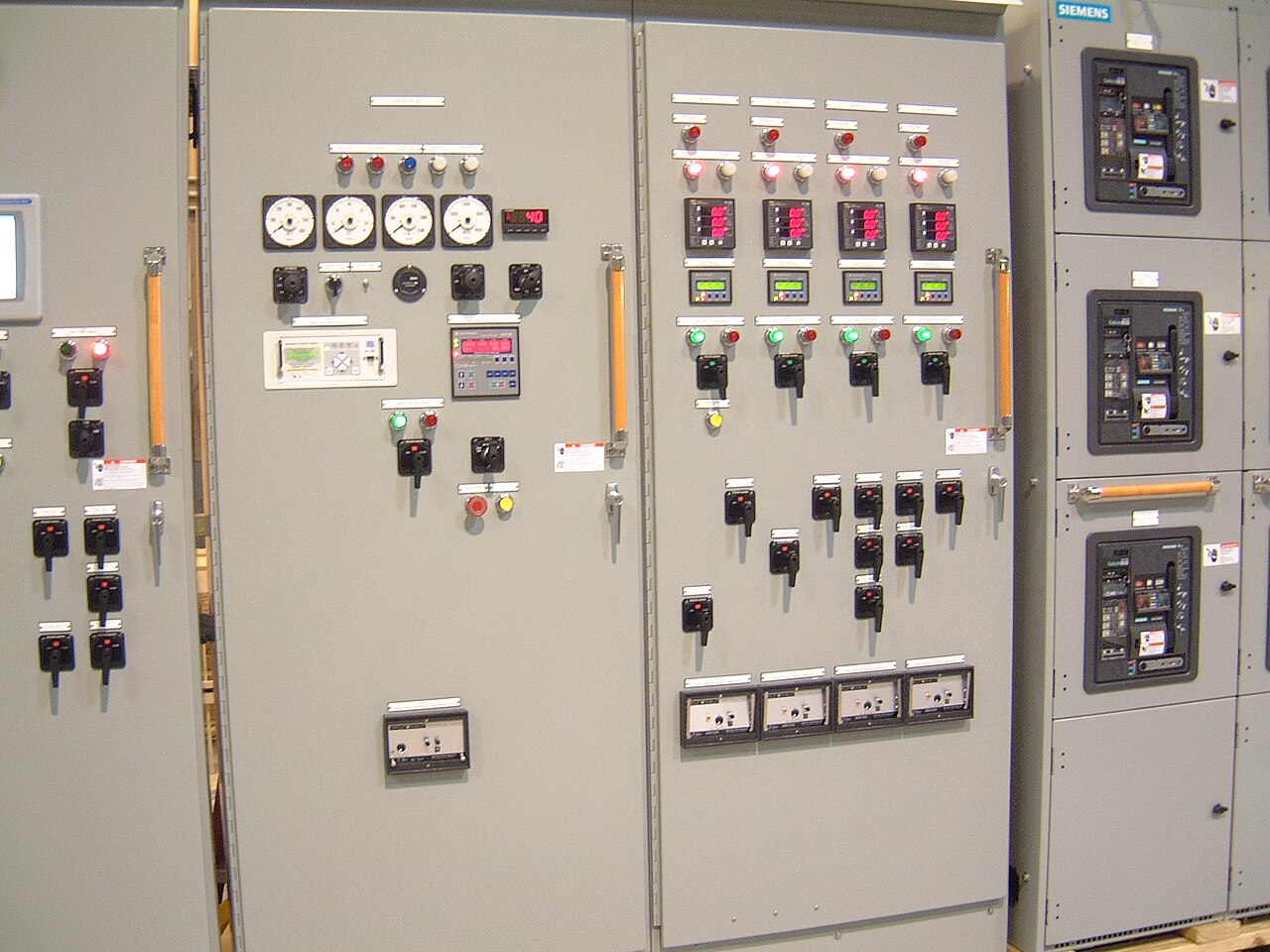
Power distribution, with purpose.
Electrical switchgear for Dallas–Fort Worth projects has to fit the power system, the site, and the schedule—not just a line on a one-line diagram. We manufacture new, custom-engineered distribution equipment in the United States and supply it to customers in the region and nationwide. Early coordination on system data, interfaces, and delivery constraints helps define a build that is appropriate for its application; specific ratings, components, standards, and U.S.-origin requirements must be confirmed for each order.
Start with the power system, not a product label
The word “switchgear” can refer to equipment with very different functions and voltage classes. A low-voltage switchboard may distribute power to downstream panels or loads, while medium-voltage gear serves a different part of the system and has distinct insulation, switching, protection, and coordination requirements. The nominal system voltage is not itself the equipment maximum rating, so a quote should identify both the system conditions and the required equipment rating rather than relying on a shorthand voltage description.
For a Dallas–Fort Worth facility, the useful starting point is the latest one-line diagram, including normal and alternate sources, transformer data, ties, and major loads. Include available fault-current information and the protective-device coordination assumptions if known. These details affect bus and interrupting requirements, device selection, and how the assembly connects to the rest of the distribution system. Where upstream data is still being developed, identify the open items instead of treating an estimate as a final design basis.
Define the assembly and its operating duties
A custom build should be described by what it must do: distribute feeders, separate sources, transfer loads, provide metering, or support a particular maintenance approach. Specify the desired arrangement of incoming and outgoing devices, bus configuration, control and indication needs, and any required compartments or barriers. A layout that looks compact on paper may complicate cable access or future maintenance, so review working clearances and the intended cable-entry direction with the electrical and building teams.
For low-voltage switchboards, UL 891 may be applicable, but that designation is not a general listing for medium- or high-voltage switchgear. Do not infer that a voltage class, component, or custom configuration is covered without confirmation for the specific assembly. The purchaser should state applicable project specifications and required standards, while the manufacturer confirms what can be met for the proposed configuration. Short-circuit ratings, component availability, and any requested U.S.-origin conditions likewise need order-specific review.


Treat site interfaces as design inputs
Equipment is only useful if it fits the electrical and physical interfaces at the site. Provide room dimensions, access and rigging constraints, elevation, indoor or outdoor conditions, and the location of cable trenches, conduits, and entry points. Note environmental conditions such as temperature, humidity, dust, or corrosive exposure when they are relevant. These inputs help the design team assess enclosure choices, section arrangement, and the practical route from receiving point to final location without assuming that a standard footprint will suit every building.
Control and communications interfaces deserve the same attention as power connections. Identify required control voltages, external interlocks, remote signals, metering or monitoring protocols, and the party responsible for supplying each interface. If the gear must coordinate with existing equipment, provide available drawings and device information rather than assuming nominally similar products connect directly. Clear responsibility boundaries reduce late revisions, especially when switchgear, transformers, generators, protective relays, and building controls are specified by different teams.
Make the quote package complete enough to engineer
A useful request for quotation includes the one-line diagram, equipment schedule, project specification, system voltage and frequency, source and load information, and required short-circuit performance. Add preferred or required manufacturers for major components only where the project actually imposes them, and identify any approved-equal process. Include enclosure and environmental requirements, dimensions, cable termination preferences, control schematics if available, and the requested documentation. If drawings are preliminary, label them as such and explain when design data is expected to be finalized.
Commercial and delivery assumptions should be stated alongside the technical basis. Share the requested ship-to location, receiving limitations, delivery window, submittal milestones, and whether the order depends on owner, engineer, or utility review. Nationwide supply and shorter lead time are goals, not guaranteed outcomes; actual schedules depend on approved design, component availability, and order scope. A complete package lets the manufacturer identify exceptions and unresolved decisions before they become schedule or installation problems.
Plan regional delivery without assuming local installation
Serving Dallas–Fort Worth does not mean a purchaser should assume a manufacturing facility, field crew, or installation service is located nearby. Confirm the shipping arrangement, receiving responsibilities, unloading method, and delivery access for the actual site. Large assemblies may require coordination around truck access, dock capacity, crane or forklift availability, and the sequence in which sections can be moved into the electrical room. Those logistics should be checked against the proposed shipping configuration before release.
For projects elsewhere in the United States, the same planning applies, with additional attention to transit route, packaging, weather exposure, and the receiving team's ability to inspect and store equipment. Agree on who reviews shipping documents and reports visible damage, and ensure the site can protect the assembly until installation. Delivery planning is not a substitute for site installation or commissioning; define those responsibilities separately with the project team and qualified service providers.
Resolve tradeoffs before approving drawings
A sound review compares the proposed equipment against the actual operating need rather than maximizing every rating by default. Higher fault-duty requirements, extra metering, specialized controls, or added compartmentation can affect component choices, arrangement, and cost or schedule, but omitting a necessary function can create a larger problem later. Ask the engineering team to identify assumptions, deviations, and items requiring owner approval. Confirm that protective-device coordination, arc-flash study inputs, and upstream utility data are handled by the responsible project professionals.
Before approving submittals, check that the one-line, device schedule, control interfaces, dimensions, cable access, and nameplate requirements agree across the documents. Verify that the stated ratings correspond to the project system and that any standards or origin requirements are explicitly addressed for the order. Changes after approval can affect design and procurement, so capture decisions in writing and keep a controlled revision set. This disciplined review is especially valuable when a custom assembly must align with a broader project schedule.
Specifications & planning
Review the details that matter for your application. Final specifications and availability should be confirmed for your project.
| Evaluation factor | Information to confirm |
|---|---|
| System basis | Nominal voltage, frequency, source configuration, and equipment rating |
| Fault duty | Available fault-current data and required short-circuit performance |
| Physical fit | Room dimensions, access route, cable entry, and environmental conditions |
| Project interfaces | Controls, communications, interlocks, and responsibility boundaries |
| Delivery readiness | Ship-to constraints, receiving plan, review milestones, and target window |