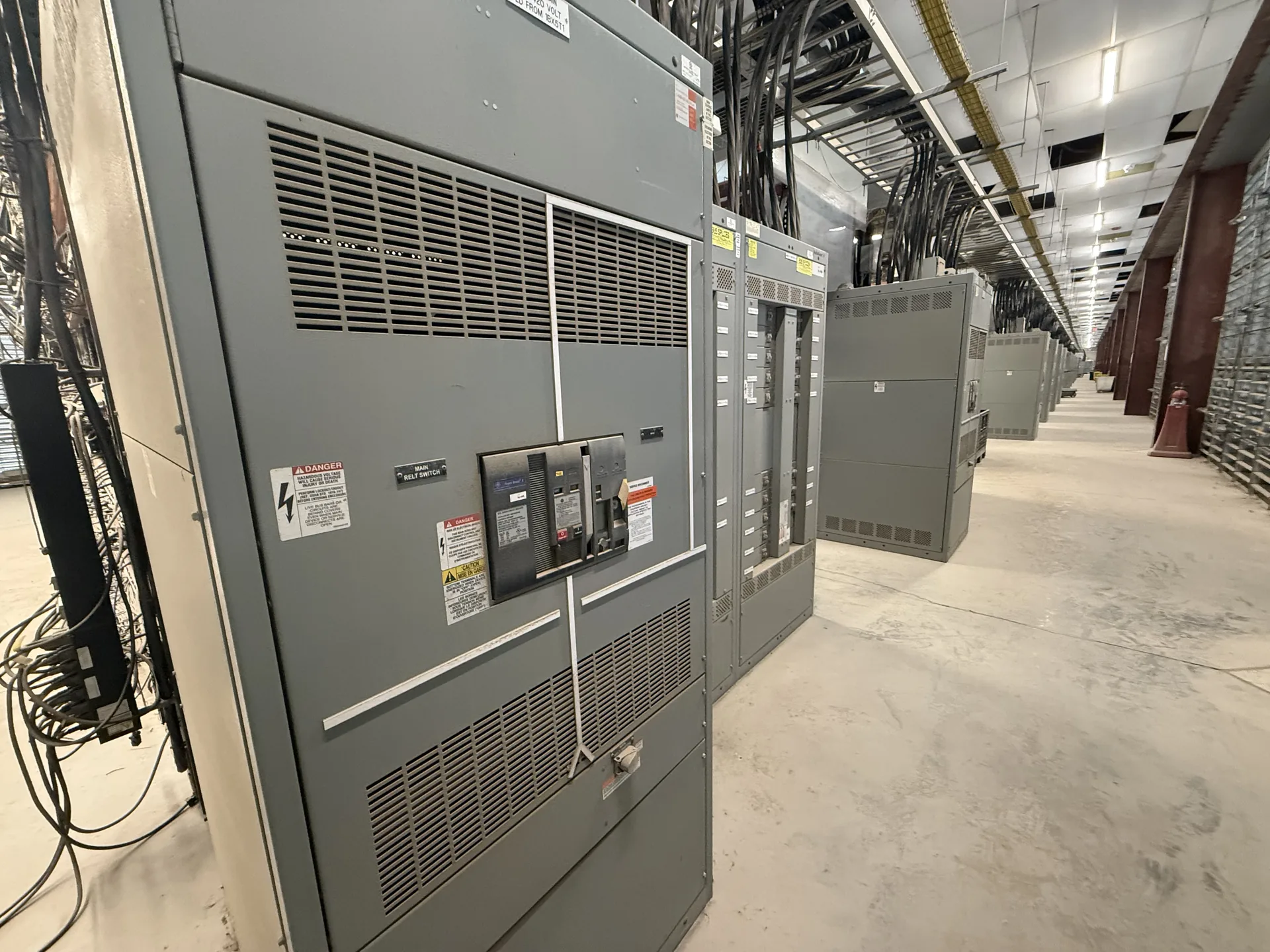
Power distribution, with purpose.
Switchgear pricing is tied to the exact equipment scope and the conditions it must satisfy—not just a voltage label or lineup length. A useful quote starts with the one-line diagram, electrical ratings, site requirements, and a clear boundary between the equipment supplier’s work and the rest of the project. For buyers in Dallas–Fort Worth and across the country, defining those details early makes proposals easier to compare and helps surface cost drivers before they become schedule or design changes.
Define what the quoted price includes
Before comparing totals, establish whether each proposal covers the same package. A switchgear price may account for the main assembly and specified components while excluding engineering, controls, installation, field testing, freight, taxes, or startup support. Ask for an explicit scope summary and exclusions, including who supplies protective relays, metering, wiring between sections, and any separate control equipment. An apparently lower number may simply leave more work with the purchaser or another contractor.
Also identify the delivery point and the assumptions behind shipping and handling. A shipment to a job site can involve different access, unloading, storage, and coordination needs than delivery to a contractor’s facility. Confirm whether the quote assumes a single shipment or staged delivery, and whether site constraints affect the equipment arrangement. These questions clarify the commercial boundary without assuming that any supplier performs installation or site work.
Give engineering inputs that shape cost
A quote request should include a current one-line diagram and the system’s nominal voltage, frequency, available fault current, grounding arrangement, and intended operating conditions. State the required equipment voltage class and short-circuit rating rather than relying on nominal system voltage alone. Those values are related but not interchangeable: the equipment’s maximum rating and interrupting or withstand capabilities must be selected for the application and confirmed by engineering. Incomplete or conflicting data can lead to assumptions that later require redesign.
Describe the lineup’s functions and physical constraints as well. Identify incoming and outgoing circuits, source or tie arrangements, metering and protection needs, cable entry and exit direction, space limitations, and any future provisions. Provide available room dimensions, access routes, environmental conditions, and relevant drawings. For a low-voltage switchboard, ask whether a proposed configuration is being designed as a UL 891 assembly; do not apply that standard to medium-voltage equipment. Applicable standards and compliance requirements must be confirmed for the specific order.


Understand configuration and component tradeoffs
The number and type of devices, bus arrangement, compartmentation, control features, and required accessories all affect scope. A design with more circuit functions or specialized protection may require additional components, wiring, engineering, or verification. Conversely, removing a feature to reduce cost is only sensible if the system design and operating needs permit it. Ask the engineering team to identify which requirements are essential, which are preferences, and what consequences follow from changing either.
Component selection can also influence both cost and procurement risk. Specify acceptable manufacturers or approved equivalents only where the project allows them, and make any required domestic-content or American-origin criteria explicit. Availability and qualification are order-specific, so a component substitution should not be treated as automatic. Request written confirmation of the proposed major components, ratings, and any exceptions, then review changes with the project engineer before accepting a revised price.
Compare proposals on equal assumptions
Build a side-by-side comparison around scope, ratings, included documentation, commercial exclusions, and stated assumptions. Check that each bidder is pricing the same one-line revision and the same equipment boundaries. Compare the required short-circuit rating, bus requirements, protective devices, metering, control interfaces, enclosure conditions, and any specified testing or documentation. If a proposal leaves an item unclear, request clarification rather than treating silence as inclusion.
Separate base scope from optional features so the decision is visible. A useful review asks whether an option reduces a genuine operational or coordination risk, or simply adds capability the project does not need. Examine the consequences of accepting alternates, including compatibility with existing controls and protection coordination. For DFW projects and nationwide shipments alike, freight assumptions, site access, and handoff responsibilities belong in the comparison because they can change the delivered project cost even when the equipment price is unchanged.
Account for schedule and change risk
Lead time is a planning input, not a guaranteed value inferred from a budget quote. Ask what information is needed to establish a schedule, when the schedule begins, and which approvals or component selections could affect it. Custom builds and American components may be considered within the requested scope, but their availability and timing must be confirmed for the particular order. A shorter lead time can be a goal; it should not be represented as assured until the applicable scope and procurement conditions are reviewed.
Late changes are a common source of cost uncertainty. A revised fault-current study, room layout, cable-entry requirement, or protection scheme can affect engineering and equipment configuration after pricing. Record drawing revisions, design assumptions, and approval responsibilities, and ask how changes will be evaluated commercially. If the project schedule is tight, identify decision deadlines and long-lead components early, while keeping contingency planning separate from any unconfirmed delivery commitment.
Prepare a quote package and confirm boundaries
For a useful manufacturer quote, provide the one-line diagram, equipment schedule, applicable specifications, site and installation constraints, required standards, target delivery location, and requested commercial scope. Include known fault-current data and the basis for the required ratings, plus control schematics or interface requirements when available. Mark open items as unresolved rather than guessing. The manufacturer can then identify assumptions, request missing engineering information, and price a defined configuration instead of an ambiguous equipment label.
Before authorization, confirm ratings, component availability, standards, U.S.-origin requirements, documentation, exclusions, and schedule in writing for the specific order. Verify that the proposal matches the latest approved design and identify who owns installation, field connections, commissioning, and other work outside the quoted supply. This approach does not promise a particular price or delivery date; it gives the purchaser a defensible basis for comparing new equipment proposals and controlling scope changes.
Specifications & planning
Review the details that matter for your application. Final specifications and availability should be confirmed for your project.
| Evaluation factor | Buyer information to confirm |
|---|---|
| Electrical ratings | Nominal system voltage, equipment rating, fault-current basis, and required short-circuit capability |
| Equipment scope | Lineup functions, devices, controls, metering, accessories, and explicit exclusions |
| Site and delivery | Space, access, cable direction, delivery point, unloading, and storage assumptions |
| Commercial basis | Drawing revision, component requirements, schedule assumptions, and change responsibilities |