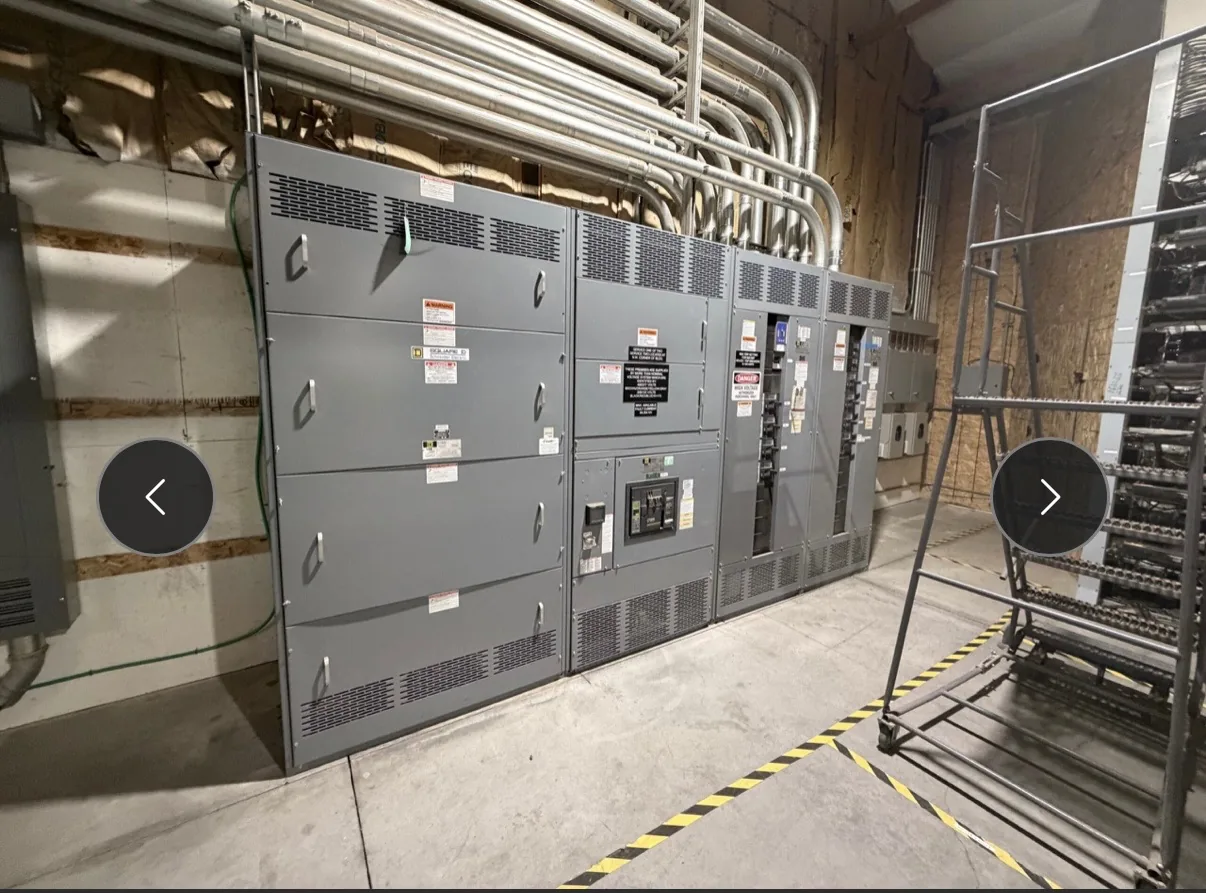
Power distribution, with purpose.
A switchgear factory acceptance test (FAT) is a planned, documented set of checks performed on an assembly before shipment to verify agreed aspects of its construction and operation. The test scope, acceptance criteria, witness arrangements, and records should be settled before the equipment is built; a FAT is not a substitute for installation checks or commissioning at the project site.
Agree what the FAT must demonstrate
A FAT is not one universal test package. Its useful scope depends on the equipment type, approved drawings, purchase specification, applicable standards, and project risks. For a low-voltage switchboard, the plan may address workmanship and assembly, nameplate and component identification, wiring continuity, mechanical operation, control circuits, and specified functional checks. A test plan should identify each check, the method or reference document, expected result, and how a discrepancy will be recorded and resolved.
Clarify boundaries as well as tests. Some checks may be routine production or quality inspections; others may require special equipment, engineering review, or advance agreement. Do not assume that every protective function, field interface, or system-level response can be fully demonstrated at the factory. The agreed scope should state exclusions and any customer-supplied signals or devices needed. Ratings, short-circuit capability, standards, and any required U.S.-origin content must be confirmed for the specific order rather than inferred from a FAT report.
Set witness points and acceptance rules early
A customer witness attends selected tests to observe the agreed procedure, review results, and raise questions before release for shipment. A witness point is different from a hold point: the purchase documents should say whether work may proceed if the customer cannot attend or does not respond by the agreed date. Define who may witness, how much notice is needed, whether remote participation is acceptable, and what happens if a test reveals a nonconformance.
Agree acceptance criteria before testing, not after seeing a result. For example, a functional check should specify the intended input, expected indication or output, and applicable drawing or sequence. The plan should also describe retesting after correction and how open items affect shipment authorization. Witnessing does not transfer responsibility for design approval or make an assembly suitable for a system whose requirements were not supplied. Final release arrangements should be explicit in the purchase documents.
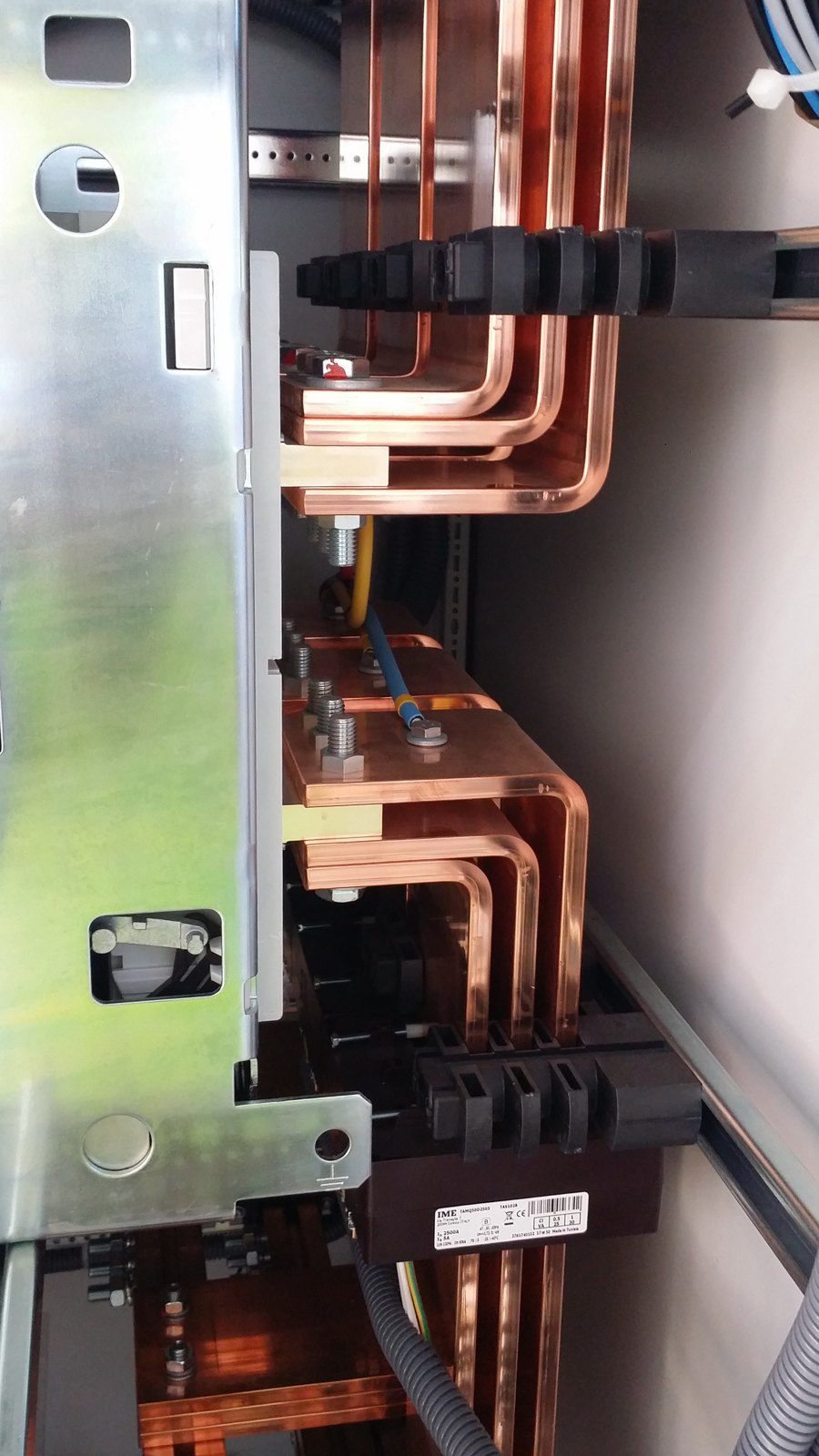

Understand the records you should receive
A useful FAT record lets the project team trace what was checked and what the outcome was. Depending on the agreed scope, records can include the approved test plan, completed results, equipment identification, drawing or revision references, instrument details where relevant, witness notes, and a list of exceptions and their disposition. Ask how corrections and retests will be documented, and whether unresolved items require written approval before shipment.
Review records against the equipment configuration, not just the order name. A report for a similar lineup does not establish that this particular assembly has the same components, wiring, settings, or revisions. If protective devices are included, determine which settings or configuration information is expected in the record and who approves it. A FAT record supports manufacturing verification; it is not, by itself, proof of installation quality, field performance under every system condition, or compliance beyond the scope actually tested.
FAT and on-site commissioning answer different questions
Factory testing checks the assembly under agreed conditions before it leaves the manufacturer. Commissioning takes place in the installed system and addresses site-dependent matters such as incoming and outgoing connections, grounding, control and communications interfaces, settings coordination, and the sequence of operation with connected equipment. Those tasks depend on actual site conditions and should be planned and performed by qualified personnel under appropriate safety procedures.
A hypothetical example illustrates the distinction: a switchboard’s control circuit may operate correctly during a factory check using an agreed test input, while the project’s field interlock depends on a separate device and wiring installed by others. The FAT can document the tested circuit and identify the boundary, but commissioning must verify the field connection and system response after installation. Treating a successful FAT as commissioning can leave interface errors undiscovered; repeating factory checks on site without a plan can also waste time or create ambiguity about responsibility.
Design choices affect what can be verified
Equipment architecture influences test access and practical FAT coverage. The number and type of sections, bus arrangement, drawout or fixed devices, metering, control power, communications, and customer-specific interlocks can change what is observable in a factory setting. A compact arrangement may have different access constraints than a lineup designed for easier inspection or testing. Discuss those tradeoffs during design review so that required witness checks are feasible and the test plan matches the intended configuration.
For example, a project that depends on remote status points may need defined signal names, interface drawings, and a simulated input or other agreed verification method. That does not mean every network, external device, or complete plant sequence will be available for factory demonstration. For low-voltage switchboards, UL 891 may be applicable when specified and confirmed for the particular assembly; it is not a general designation for medium-voltage equipment. System nominal voltage and equipment maximum rating are distinct, and ratings and standards must be reviewed for the actual order.
Prepare quote information and engage the right reviewers
To request a meaningful quote, provide the one-line diagram, equipment schedule, system nominal voltage and required equipment ratings, main and feeder details, available fault-current or short-circuit requirements, control schematics, metering and communications needs, applicable specifications, and delivery destination. Include the requested FAT scope, witness or hold points, preferred test records, schedule constraints, and any U.S.-origin or component requirements. Customers in Dallas–Fort Worth and elsewhere can use the same project information to clarify the required configuration; service to a region does not imply a local manufacturing facility.
Engage the project electrical engineer, owner’s representative, or other qualified professional when establishing acceptance criteria, resolving code or specification conflicts, approving protection settings, or determining commissioning responsibilities. A manufacturer can review the requested build and confirm which tests, components, ratings, records, and schedule assumptions are feasible for a specific order. Custom assemblies and American components may be considered, and a shorter lead time can be a goal, but availability and timing require order-specific confirmation. Do not treat an estimated factory test as a substitute for engineering approval or site planning.
Specifications & planning
Review the details that matter for your application. Final specifications and availability should be confirmed for your project.
| Evaluation factor | What to define |
|---|---|
| Test scope | Checks, methods, exclusions, and acceptance criteria |
| Witness plan | Witness or hold points, notice, attendance, and release rules |
| Records | Results, equipment identity, revisions, exceptions, and retests |
| Site boundary | Factory-verifiable functions versus field commissioning checks |