Power distribution, with purpose.
Protective relay settings are not chosen by a switchgear manufacturer in isolation. The responsible engineer develops or approves settings for the electrical system, while the equipment manufacturer can integrate specified relays, coordinate interfaces, and perform agreed testing. Keeping those responsibilities clear helps ensure the supplied assembly matches the project design without treating factory checks as approval of the system’s protection scheme.
The engineer owns the protection decision
Relay settings determine how protective devices respond to abnormal electrical conditions, such as overcurrent or a ground fault. Their values depend on the source, transformer, conductors, connected loads, available fault current, and the protection devices upstream and downstream. The responsible electrical engineer, or another qualified professional formally assigned that role, evaluates those conditions and establishes or approves the settings under the project’s design and applicable requirements.
The equipment manufacturer should not infer final settings from a switchgear order alone. A relay may be installed and configured with project-provided values, but that does not make the manufacturer the authority for system coordination or safety decisions. The project documents should identify who supplies the settings, who reviews them, and who is authorized to approve changes. This division matters whether the project is in Dallas–Fort Worth or elsewhere.
What manufacturer integration and testing cover
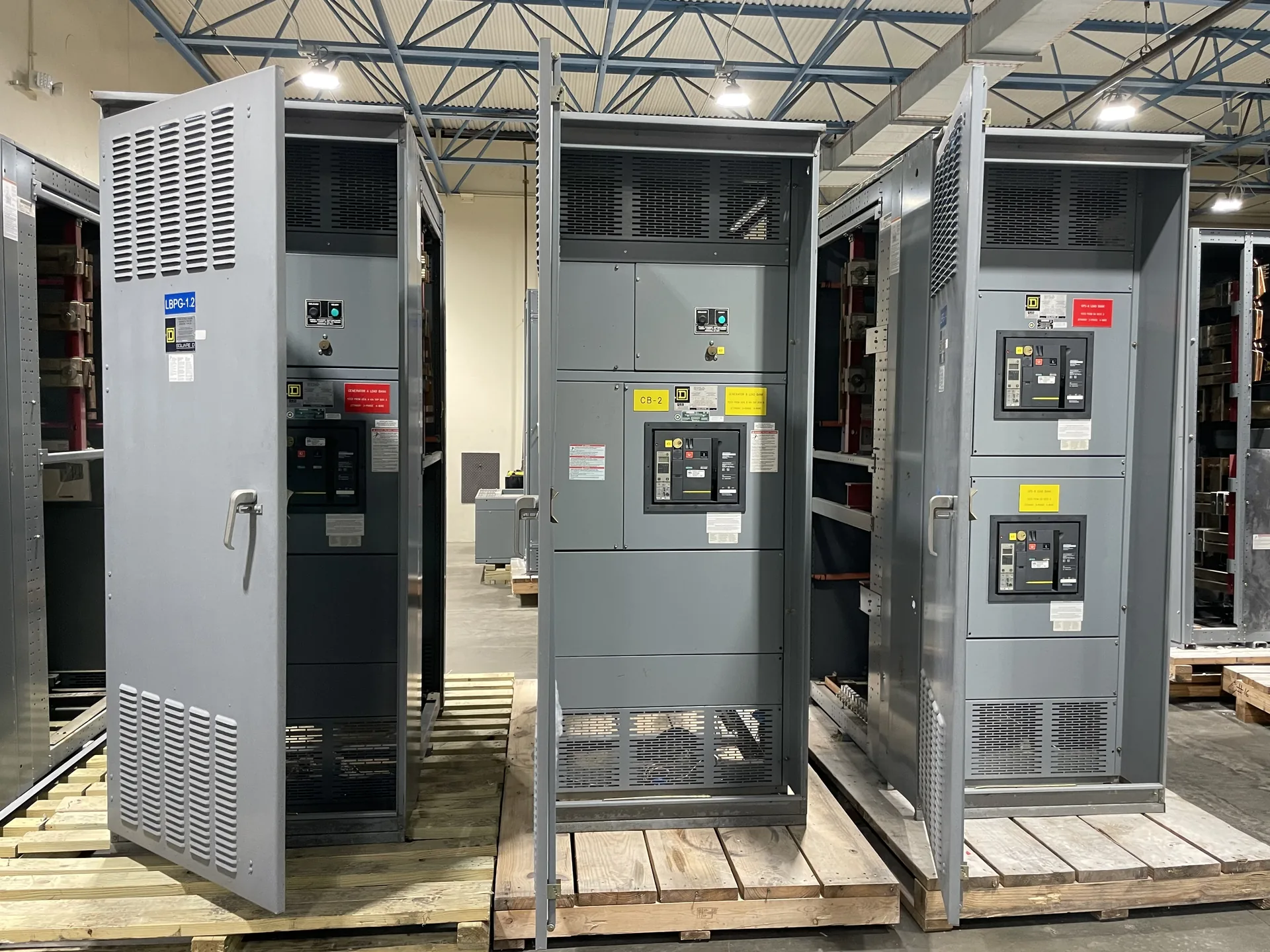
A manufacturer can build an assembly around specified protective devices and provide the agreed interfaces: relay model and options, control-power arrangements, current and voltage sensing connections, trip circuits, communications provisions, and panel layout. Depending on the order scope and confirmed capabilities, work may include loading customer-approved settings or checking wiring and device operation using an agreed test plan. The quote and submittal documents should state what is included rather than relying on assumptions.
Factory inspection or functional testing can verify defined aspects of the supplied equipment, but it does not by itself establish that the settings are appropriate for the installed electrical system. It also does not replace site-specific commissioning, field verification, or the engineer’s review where those are required. Confirm the applicable test scope, documentation, and acceptance criteria for the particular order; do not assume a specific certification or test is included unless it is stated.


Example: a feeder relay setting
Consider a hypothetical low-voltage switchboard feeder protected by a circuit breaker with an electronic trip unit. The project engineer reviews the feeder cable ampacity, load characteristics, upstream protection, downstream devices, and available fault current, then determines the intended protection settings. The switchgear supplier can use the specified breaker and trip-unit configuration, incorporate the approved values if that work is included, and verify the relevant functions against the agreed test procedure.
If the site later changes a transformer, feeder length, or downstream equipment, the original settings may no longer suit the revised system. A manufacturer should not make an unreviewed adjustment simply because a value appears inconvenient during testing. The responsible engineer must assess the change, determine whether a coordination or protection study needs revision, and authorize the resulting settings. Any field changes should follow the project’s controlled documentation and qualified-person requirements.
Design choices that shape relay requirements
Relay selection and settings are connected to more than the desired trip response. The specification may call for particular protection functions, time-current behavior, sensing inputs, event records, communications protocols, control power, and coordination with breakers or other protective devices. These choices affect component selection, wiring, space, and interfaces to supervisory or building systems. A request for communications or monitoring should define the intended protocol and data points rather than assume every relay supports every interface.
Equipment class also matters. A low-voltage switchboard and medium-voltage switchgear do not share an interchangeable protection package, and UL 891 applies to low-voltage switchboards rather than serving as a general listing for medium-voltage equipment. Nominal system voltage, equipment maximum rating, interrupting or short-circuit ratings, and component suitability must be reviewed for the specific design. Confirm standards, ratings, and any U.S.-origin requirements for the actual order.
Information to provide for a quote
For a useful quotation, provide the one-line diagram and equipment schedule, system nominal voltage and relevant maximum rating, source and transformer information, bus and feeder details, available fault-current data if established, and the protective-device schedule. Include required breaker or relay models, functions, sensing arrangements, control power, communications, enclosure and environmental requirements, and any specified standards. If settings are already determined, supply the approved setting files or tables with revision status and identify the approving engineer.
Also define who will perform the protection study, who provides and approves final settings, and whether the requested scope includes setting entry, factory functional checks, documentation, or field commissioning by others. State any project-specific deadlines and required submittals so availability and schedule can be evaluated without implying a guaranteed lead time. The manufacturer builds new equipment and can assess a custom configuration; component availability and the final scope must be confirmed for each order.
When to engage a qualified professional
Engage the responsible engineer early when the project lacks a current one-line diagram, fault-current data, coordination study, or clear settings authority. Professional review is especially important when adding a source, changing transformer capacity, modifying feeder protection, integrating generators or other distributed energy resources, or replacing devices with different characteristics. These changes can affect multiple protective devices, not just the relay being purchased.
Purchasers should treat settings as controlled engineering information, not a default manufacturer option. Before release, resolve who approves the settings and how revisions will be communicated; before energization, have qualified personnel perform the required commissioning and verification under the project plan. Manufacturer integration helps deliver equipment built to the defined design, while engineering judgment and system-specific approval remain with the designated qualified professional.
Specifications & planning
Review the details that matter for your application. Final specifications and availability should be confirmed for your project.
| Evaluation factor | What to confirm |
|---|---|
| Settings authority | Named engineer or qualified professional responsible for approval |
| Manufacturer scope | Specified integration, setting entry, tests, and documentation included in the order |
| System inputs | Current one-line, fault-current basis, device schedule, and approved setting revision |
| Interfaces and ratings | Relay functions, sensing, control power, communications, and project-specific ratings |