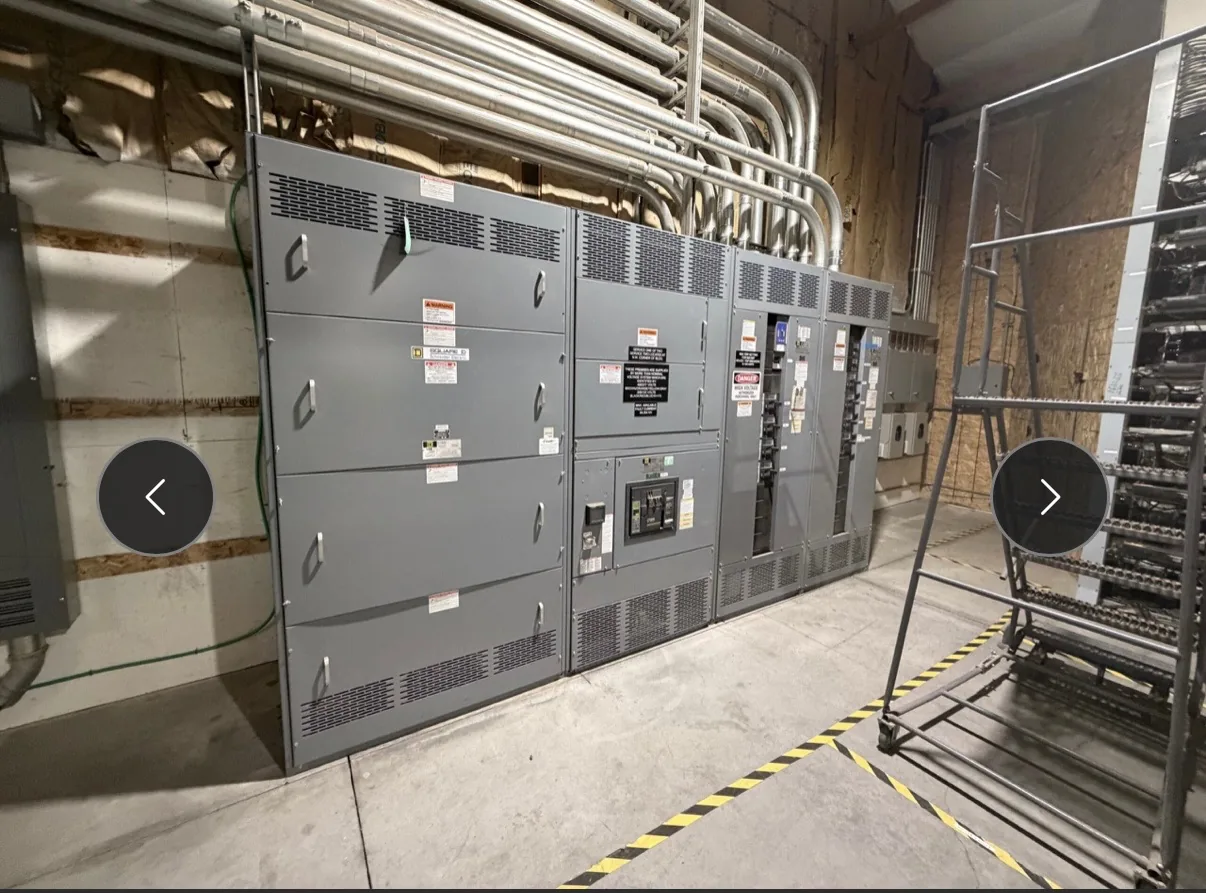
Power distribution, with purpose.
A factory acceptance test (FAT) is a negotiated set of inspections and functional checks performed on switchgear before shipment. Its value depends less on the label “FAT” than on the agreed scope: what equipment is examined, which functions are demonstrated, what evidence is recorded, and what the test cannot establish. Buyers should define those points in the purchase specification and align them with the final drawings and approved control scheme.
What a switchgear FAT means
A FAT is conducted at the manufacturing or assembly stage to compare the equipment with agreed documents and test criteria. Depending on the order, it may include a visual and mechanical inspection, verification of component identification, checks of wiring against drawings, and functional demonstrations of selected control or interlock circuits. It is not a single universal test package, and the term alone does not promise a particular scope, witness opportunity, or acceptance result.
A FAT also has clear limits. A functional check can show that a circuit responds as designed under the test conditions, but it does not by itself establish the assembly’s short-circuit withstand capability, prove performance under every site condition, or replace applicable design verification and production tests. The purchase documents should distinguish FAT activities from routine tests, field commissioning, and any separately required third-party or certification work.
Agree on criteria before the build
The purchaser and manufacturer should settle the FAT plan while the technical submittal is being reviewed, not after the lineup is complete. Identify the assembly sections and circuits in scope, the drawings and revisions used as the inspection baseline, the functions to demonstrate, the instruments or test equipment needed, and the records to deliver. Define who may witness, how much notice is required, and whether a missed witness date changes shipment timing. These details help prevent disagreement over what “passed” means.
Acceptance criteria should be observable and tied to the project requirements. For example, specify which breaker operations, electrical and mechanical interlocks, indication points, or control-system interfaces will be checked, and what constitutes a pass or a recorded discrepancy. If the FAT reveals an issue, establish how corrections, retests, and open items will be documented and approved. A signature on a test report should not silently waive unresolved exceptions or substitute for approval of a drawing change.
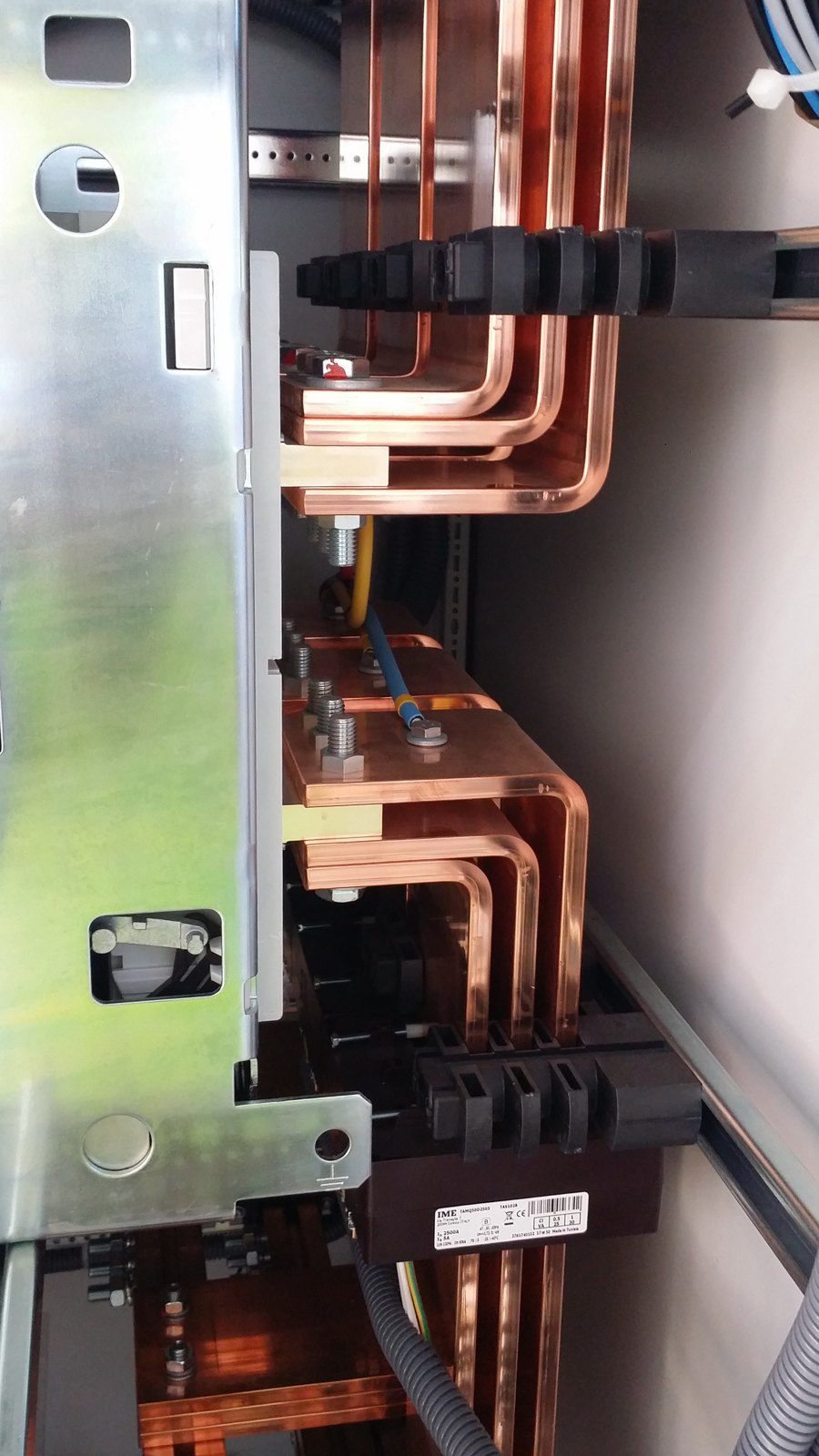

An illustrative application
Consider a hypothetical low-voltage switchboard with feeder breakers, a transfer scheme, and remote status points. A negotiated FAT might check that devices match the approved bill of material, inspect accessible workmanship and labeling, verify selected point-to-point wiring, and demonstrate the agreed transfer logic using an appropriate test setup. The plan could also identify which remote signals are simulated because the building automation system or site wiring is not present at the factory.
That distinction matters at the interface. A factory demonstration can verify the switchboard’s side of a signal path without proving that a future network, field cable, upstream source, or site control system will operate correctly. Record simulated inputs, test conditions, and excluded equipment so the commissioning team understands what remains to be verified after delivery. This example is illustrative only; actual FAT scope depends on the ordered design, available test setup, and project requirements.
Ratings and records are different evidence
A FAT should confirm that nameplates and documents reflect the ordered equipment, but inspection is not a substitute for selecting suitable ratings. Purchasers need to provide the system’s nominal voltage, frequency, available fault current or required short-circuit rating, grounding arrangement, and relevant source and load information for engineering review. Nominal system voltage and an equipment’s maximum voltage rating are not interchangeable. Ratings and component availability must be confirmed for the specific order.
The closeout package should identify the tested assembly and the document revisions used, with results, exceptions, corrections, and approvals recorded in a traceable way. Depending on the purchase requirements, it may include inspection forms, functional test sheets, and updated drawings. If a low-voltage switchboard is specified as a UL 891 assembly, the purchaser should verify the applicable construction and documentation for that order; a FAT report alone does not establish UL listing. UL 891 applies to low-voltage switchboards, not medium-voltage switchgear.
Avoid common FAT misunderstandings
One frequent misunderstanding is treating a FAT as a universal pass/fail certificate. Two projects may use the same term while testing different functions, documenting different evidence, and excluding different interfaces. Another is assuming that witnessing every operation is necessary or that a witnessed test guarantees trouble-free installation. A focused plan can be more useful than an expansive but poorly defined session, particularly when it concentrates on project-specific logic, unusual interlocks, and high-consequence interfaces.
FAT scope also does not automatically settle schedule or shipment release. The specification should state whether acceptance is a shipment hold point, how promptly the purchaser must review reports, and how unresolved deviations are handled. For orders serving Dallas–Fort Worth or shipping elsewhere, transportation and site readiness remain separate planning questions: factory checks do not verify rigging routes, receiving conditions, anchorage, field connections, or energization readiness.
Prepare useful information for a quotation
For a meaningful quote, provide the one-line diagram, equipment schedule, control schematics or functional narrative, applicable specifications, and required drawing and test deliverables. State the intended system voltage and frequency, rating requirements, lineup arrangement, environmental conditions, and any interfaces or witness requirements that may affect scope. Identify which checks are mandatory, which are optional, and whether test records must follow a customer template. Missing information may require clarification before scope, component availability, and timing can be assessed.
A manufacturer can review a proposed FAT as part of a custom new-equipment build, but the purchaser should confirm actual capabilities, test methods, included documentation, and any additional charges or schedule effects for the specific order. American components, a shorter lead time as a goal, and UL 891 construction where applicable should be discussed against the project specification rather than assumed. The agreed purchase documents—not the glossary definition—determine what will be built, checked, recorded, and accepted.
Specifications & planning
Review the details that matter for your application. Final specifications and availability should be confirmed for your project.
| Evaluation factor | What to define |
|---|---|
| Test scope | Equipment sections, circuits, functions, and inspections included |
| Acceptance basis | Applicable drawing revisions, criteria, pass conditions, and exception handling |
| Witness and timing | Notice, attendance, review period, and shipment-release relationship |
| Evidence and limits | Required records, simulated interfaces, exclusions, and remaining site checks |