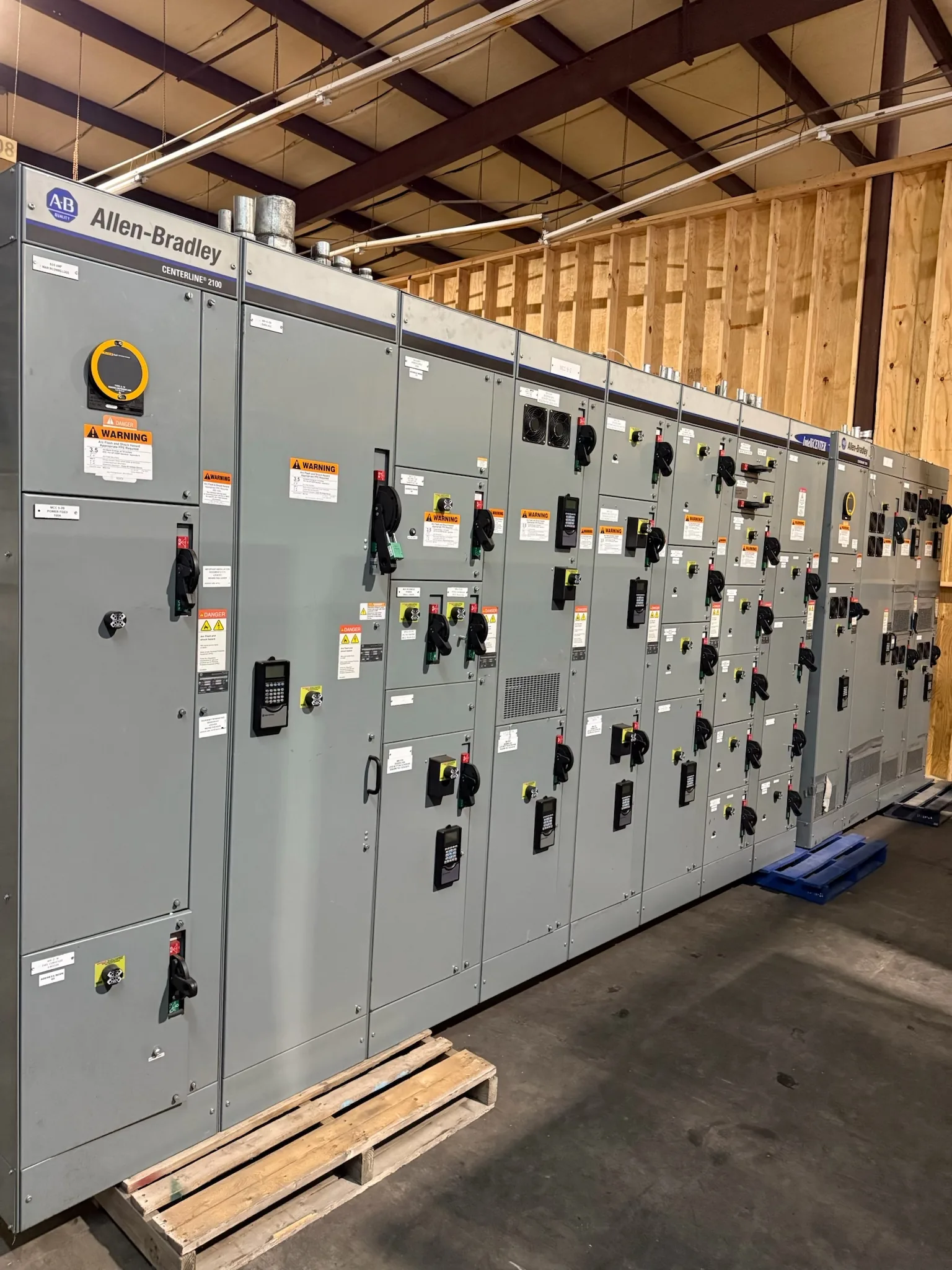
Power distribution, with purpose.
Switchgear drawings are operational records, not just documents from the original project. After a protection change, component replacement, or field modification, an outdated one-line diagram or wiring drawing can mislead maintenance planning and future troubleshooting. A disciplined revision process connects verified field conditions to approved design information, work records, and the equipment’s maintenance plan—without treating a drawing update as authorization to perform electrical work.
Start with the records that describe the installed system
Before revising a drawing, establish which documents are current and what they actually represent. Gather the latest approved one-line diagram, elementary and connection diagrams, equipment schedules, nameplate data, breaker and trip-unit information, protective-device settings, cable and termination records, and prior revision history. Compare these with commissioning and maintenance records, approved submittals, and documented changes. A drawing’s revision date alone does not prove that it matches the installed assembly.
Field verification should be planned and documented by qualified personnel using the site’s safety procedures. They can identify discrepancies such as a replaced breaker, altered control wiring, changed feeder destination, or device identifier that no longer matches the schedule. Do not infer ratings or connections from appearance. Record the source, date, and limits of each observation, and distinguish verified information from assumptions that still need engineering confirmation.
Use a controlled review before changing the record
A useful revision begins with a defined change request: what prompted it, which equipment and drawings are affected, and whether the change is proposed, approved, or already completed. Assign a revision identifier, preserve the previous approved issue, and route the change to the responsible engineering authority and operations representatives. The review should consider protection coordination, available fault current, equipment duty, control logic, interlocks, labeling, and interfaces with upstream or downstream equipment where relevant.
Drawing ownership can be split among the equipment manufacturer, engineering firm, facility, and service providers. Confirm who has authority to approve each affected record rather than assuming that a field mark-up is an approved design. Mark-ups are valuable evidence, but they should be dated, attributable, and reconciled into controlled drawings. Final settings, work practices, and code interpretation belong with qualified professionals familiar with the installation and applicable requirements.


Choose between a narrow correction and a broader update
Consider a hypothetical facility where a feeder breaker has been replaced with a different trip unit, while the original one-line diagram remains accurate at the system level. One option is a targeted revision to the device schedule and relevant elementary drawings, with the approved setting record attached. This may keep the documentation change focused, but it is only adequate if the replacement’s interfaces, functions, and identifiers are also captured wherever they appear.
A broader drawing-package review may be preferable if the change affects control wiring, communications, interlocking, feeder identification, or protection assumptions across several documents. It takes more review effort and may reveal unrelated discrepancies, but it reduces the chance that separate records contradict one another. The decision depends on verified scope, not convenience. Neither option establishes that the replacement is suitable; equipment compatibility, ratings, protection, and installation details require project-specific engineering review.
Connect drawings to maintenance and lifecycle evidence
The maintenance plan should point to the controlled documents technicians need for inspections and planned work, while preserving a clear link between the equipment identity and its records. Keep revision history, approved change documentation, inspection findings, test reports, component data, and applicable setting records together under the facility’s document-control process. Retain superseded drawings as historical records, clearly marked so they are not mistaken for current instructions.
A drawing change does not replace inspection, testing, or maintenance, and it should not silently reset maintenance intervals. The responsible team should assess whether the physical change affects inspection scope, test criteria, spare-parts strategy, or operational risks. Record the basis for that assessment and any unresolved questions. This evidence helps future reviewers understand not only what changed, but why the change was accepted and what assumptions remain in force.
Specify a complete drawing package for new equipment
When purchasing new switchgear, provide the manufacturer with the project’s design basis and document requirements early. Useful inputs include the system nominal voltage and grounding arrangement, one-line diagram, source and load information, equipment arrangement, bus and feeder requirements, control and communications interfaces, protective-device requirements, applicable specifications, and required drawing formats and approval stages. Include the intended service conditions and any owner standards that affect labels, naming, or revision control.
For a custom-built assembly, clarify which drawings and records are required at submittal, approval, and shipment, and how changes will be identified. Confirm project-specific ratings, short-circuit requirements, component availability, standards, and any U.S.-origin requirements for the order rather than assuming universal availability or compliance. UL 891 applies to low-voltage switchboards where applicable; it is not a general listing for medium-voltage equipment. A purchaser in Dallas–Fort Worth or elsewhere should submit the same complete technical basis and confirm delivery and documentation expectations for the specific order.
Set limits on what the drawing package proves
A controlled drawing set is evidence of documented design intent and recorded changes; it is not, by itself, proof of present condition, successful testing, or safe work authorization. A revision may rely on data that was not independently verified, and field conditions can change after the issue date. Keep those limits visible through revision notes, source references, approval status, and a record of open items. Operations staff should consult the current approved documents and site procedures, not rely on a detached or unverified copy.
For procurement or a drawing update, ask reviewers to identify assumptions, interfaces, and information still needed before approval. The resulting conclusion should be specific to the equipment, installation, and evidence reviewed. Final settings, maintenance actions, work practices, and code interpretations must be determined by qualified professionals under the applicable project and site requirements; a general guide cannot establish them for a particular installation.
Specifications & planning
Review the details that matter for your application. Final specifications and availability should be confirmed for your project.
| Evaluation factor | Record to review |
|---|---|
| Installed configuration | Approved one-line and field-verified identifiers |
| Protection change | Device data and approved setting records |
| Control or interface change | Elementary diagrams and connection records |
| Lifecycle traceability | Revision history, work records, and maintenance evidence |