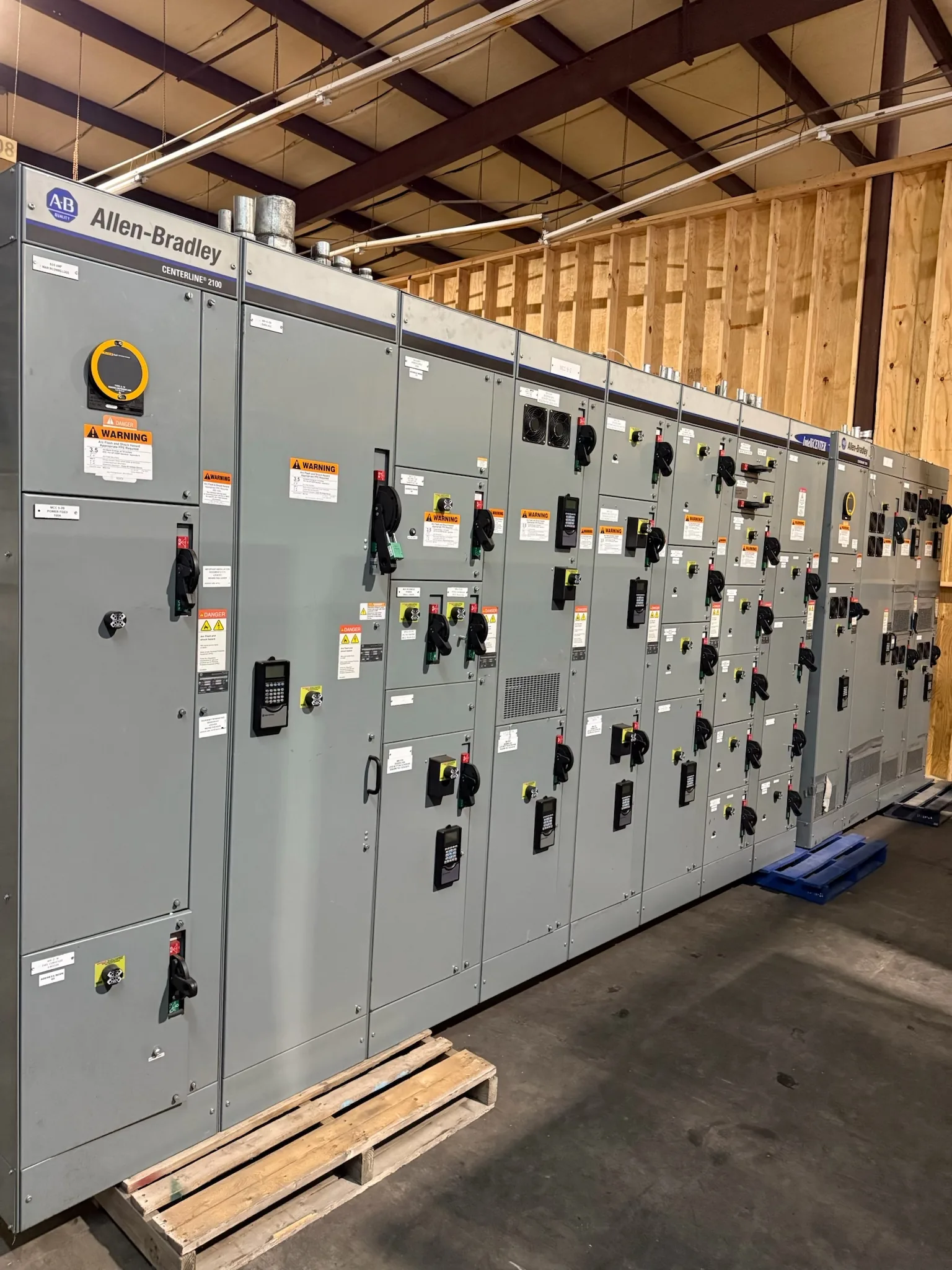
Power distribution, with purpose.
A switchgear operation and maintenance manual is most useful when it matches the equipment delivered, the facility’s operating rules, and the records the owner must preserve. Planning it early helps resolve what documents are needed, who supplies them, and which information cannot be finalized until components and ratings are confirmed. For a new custom assembly, the manual should describe the actual supplied scope—not imply procedures, accessories, or maintenance obligations that do not apply.
Set the document boundary before engineering begins
Start by identifying the equipment covered: assembly name and tag, lineup boundaries, included sections, and the intended system interface. Clarify whether the manual is for a low-voltage switchboard, a medium-voltage lineup, or a broader electrical package that also includes equipment furnished by others. A facility may use “switchgear” as a general term, but document scope should follow the actual equipment and contract divisions. This prevents a manual from appearing to cover transformers, protective relays, or field-installed devices that are outside the supplied assembly.
The purchaser should provide the project specification, approved one-line diagram, equipment schedule, applicable owner standards, document submittal requirements, and the intended recipients and format. Identify required language, file type, naming convention, revision process, and whether editable drawings or searchable PDFs are expected. If the manual must align with a site’s asset-management system, supply its tag structure and required data fields. These inputs allow the document plan to be reviewed alongside technical submittals rather than assembled from assumptions at shipment.
Build a contents plan around the selected components
Component documentation depends on the final bill of material. A contents matrix can map each supplied breaker, meter, protective device, control power component, and accessory to its manufacturer literature, model or catalog identification, and applicable revision. It should distinguish equipment-specific instructions from general product literature and mark items that are not part of the order. Where a component changes during review, the matrix provides a direct way to identify affected manual pages and avoid mismatched instructions.
Decide whether the owner needs complete component manuals or a curated set of relevant sections, subject to the component manufacturer’s document terms and the project specification. Full manuals can be easier to maintain when devices are replaced, but may contain options not installed; selected excerpts are more focused but can omit useful context. The final package should identify the supplied configuration clearly and direct readers to the relevant sections without implying that an optional function or accessory is present. Specific component availability and documentation must be confirmed for the order.


Coordinate drawings and equipment records
Manual drawings should be tied to controlled revisions and to the assembly actually furnished. Depending on project scope, the planned record set may include the final one-line, elementary or wiring diagrams, interconnection details, terminal information, device identification, and outline or arrangement drawings. The owner and supplier should agree which documents are included, whether field wiring is shown, and how changes made during approved engineering are reflected. A drawing marked “record” should not be represented as an as-built field survey unless that work is specifically performed and verified.
Useful record data can include equipment and section tags, installed device identification, nameplate information, drawing numbers, revision dates, and the boundaries of supplied versus by-others work. Establish who provides field changes, commissioning notes, and final site redlines; those records may belong to the owner or another contractor rather than the equipment manufacturer. For a Dallas–Fort Worth project or a shipment elsewhere in the United States, the same coordination issue applies: delivery geography does not establish who controls site wiring records or who verifies field conditions.
Make safety limits and maintenance guidance equipment-specific
Safety content should define the manual’s limits, not replace the facility’s electrical safety program, qualified-personnel requirements, site procedures, or applicable codes and regulations. Identify hazards and restrictions relevant to the supplied design, and state that equipment must be operated and maintained only by qualified personnel using approved procedures and appropriate protective measures. Do not include generic instructions that could be mistaken for permission to work on energized equipment. Site-specific switching, lockout/tagout, arc-flash, and emergency procedures require owner review and coordination with the responsible electrical safety professionals.
Maintenance guidance should distinguish manufacturer literature from project-specific recommendations and avoid unsupported intervals or procedures. The supplied component instructions, operating environment, duty, contamination, temperature, and owner maintenance policy can all affect the appropriate program. If testing, commissioning, or field service is not included in the equipment scope, the manual should not imply that it was performed. Any proposed maintenance schedule or safety statement should be checked against the final equipment configuration and the purchaser’s requirements before issue.
Plan spare-parts and contact information without overpromising
A useful spare-parts section separates components supplied with the equipment from recommended spares and from items the owner may source independently. Where recommendations are requested, identify the related device, manufacturer reference, quantity basis, and any known interchange or configuration limitations for engineering review. Avoid treating a generic parts list as a guarantee of future availability. Substitutions, product revisions, and lead times can change, so the manual should explain how the owner can verify current suitability before ordering replacement parts.
Contact information should tell the reader which organization handles equipment documentation or order questions and what identifying details to have ready, such as project reference, equipment tag, serial or order information when available, and drawing revision. Do not place unverified personal contacts or imply round-the-clock service. Agree on the responsible contact path and document owner before publication, then provide current details in the approved format. If those details may change, a controlled cover sheet or digital document register can be easier to update than repeating them throughout the manual.
Review the deliverable against the purchase scope
Before release, check the contents against the approved submittals, final component selections, drawing register, and contract document schedule. Confirm that each included manual applies to the installed model, that drawing revisions agree, and that excluded equipment is clearly identified. Resolve missing information as an open item rather than filling gaps with assumptions. The purchaser should also confirm whether the required package is a preliminary submittal, a final operation and maintenance manual, or both, and specify timing, review cycles, and any document-control platform.
For a quotation, supply the equipment type and scope, project specification, preliminary one-line and schedule, required standards, documentation list, record-drawing expectations, file and naming rules, and any owner-specific safety or asset-data requirements. Manufacturer capabilities and project-specific obligations must be validated before publication; the final contents are governed by the equipment supplied and the accepted order documents. Custom builds and American components may be considered as part of the equipment scope, while shorter lead time is a goal rather than a guarantee. Confirm ratings, component availability, standards, and any U.S.-origin requirement for the specific order.
Specifications & planning
Review the details that matter for your application. Final specifications and availability should be confirmed for your project.
| Evaluation factor | Decision to confirm |
|---|---|
| Manual boundary | Included equipment, sections, interfaces, and by-others scope |
| Component literature | Installed devices, applicable revisions, and full manual versus selected content |
| Record drawings | Required drawing types, field-change responsibility, and revision control |
| Safety and spares | Owner procedures, qualified-person limits, spare-part basis, and availability checks |