Power distribution, with purpose.
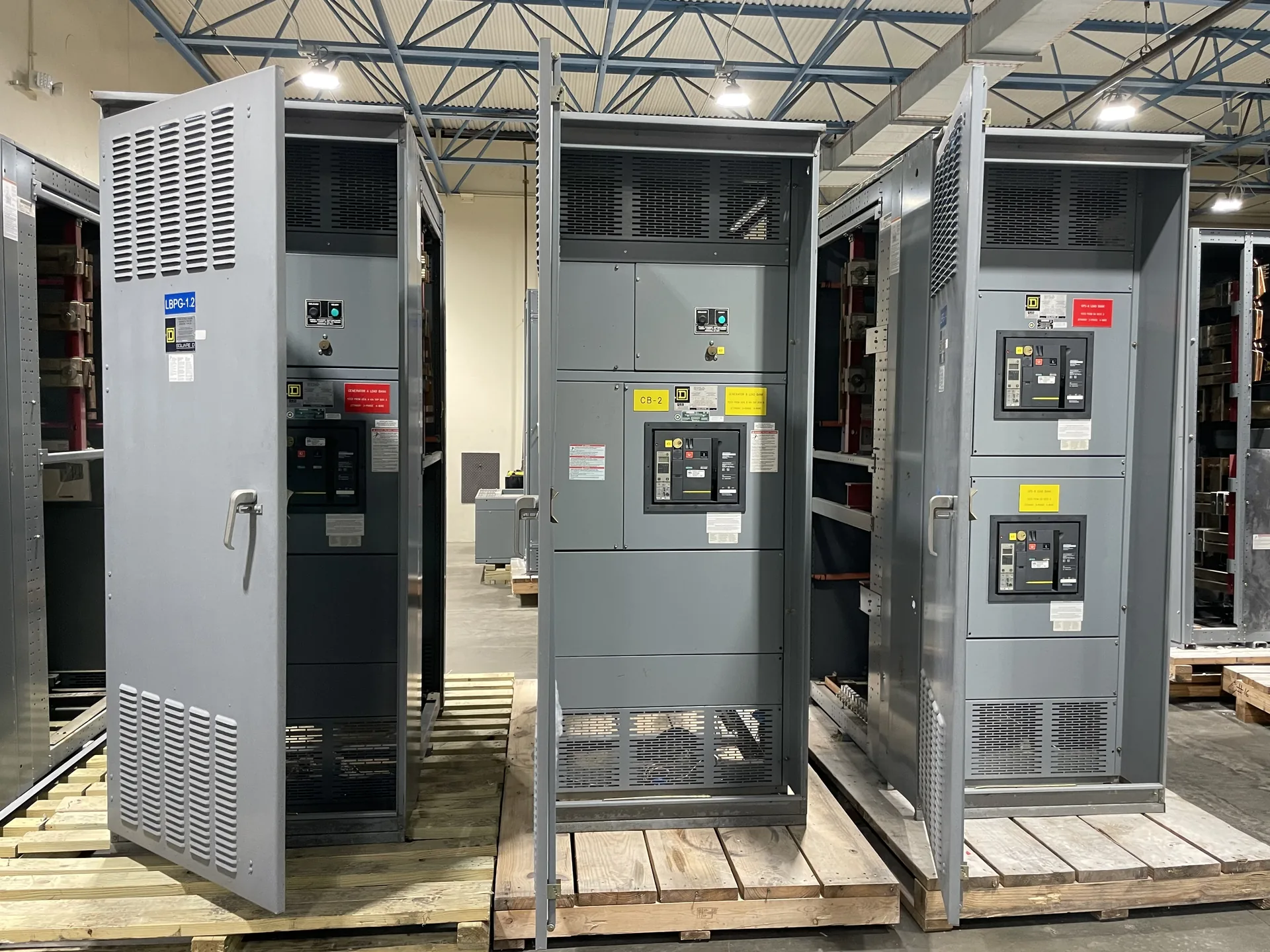
A factory acceptance test (FAT) is a planned check of a specific switchgear assembly before shipment, not a substitute for design review, installation inspections, or commissioning at the job site. Its value depends on agreeing in advance what will be examined, which documents and interfaces are ready, and how exceptions will be recorded and resolved. For a new equipment order, define those boundaries with the manufacturer during quotation and engineering review so the test reflects the purchase specification rather than a generic checklist.
Set the FAT boundary before approving the order
Start with the equipment schedule, one-line diagram, specifications, and purchase-order requirements. Identify the assemblies and sections in scope, their intended arrangement, and any items supplied by others, such as upstream protection, field-installed conductors, remote controls, or building interfaces. A FAT can assess the manufactured assembly against approved documents and agreed test criteria; it cannot establish how the complete installed system will perform when external equipment, site wiring, or operating conditions are absent.
Separate required examinations from optional witness activities and site responsibilities. For example, a buyer may request a visual and workmanship review, document checks, and specified electrical or functional checks, while expecting field cable testing and system-level coordination to occur later. The applicable test methods, acceptance criteria, safe test limits, and any governing standards need engineering confirmation for the particular order. Do not assume that a test is included simply because it appears on a generic checklist.
Provide the inputs needed to make testing meaningful
A useful FAT plan relies on current, approved project information. Supply the equipment schedule and one-line diagram, control schematics, specified ratings, protective-device requirements, communication or monitoring interfaces, and the project specification sections that govern inspection and testing. Identify the required submittal status and revision for each document. Conflicting revisions or unresolved choices—such as control voltage, metering, accessory placement, or terminal arrangements—can make a test inconclusive or force a hold point.
For a quote, provide the scope and quantity of equipment, intended system conditions, required options, applicable specification and drawing set, desired witness arrangement, and requested test documentation. Clarify whether the buyer expects particular checks or customer-supplied procedures, and disclose schedule constraints that affect review and attendance. Ratings, short-circuit requirements, component availability, standards applicability, and any U.S.-origin requirements must be confirmed for the specific configuration; system nominal voltage alone does not establish the equipment’s maximum rating.

Agree on checks, limits, and tradeoffs
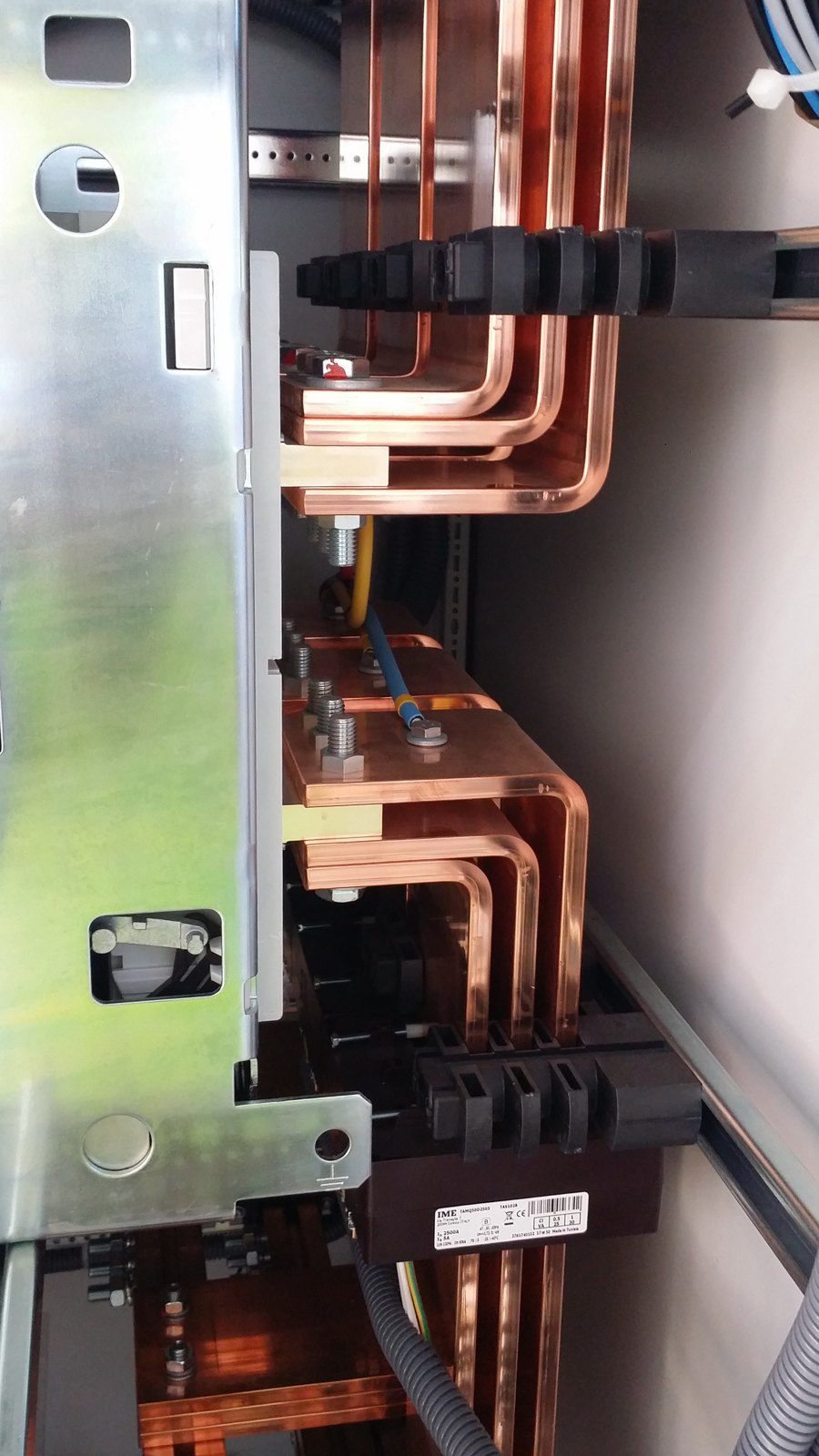
Translate project requirements into a test matrix that names each check, its governing drawing or criterion, who performs or witnesses it, and what evidence will be retained. Depending on the approved scope and equipment design, the plan may include visual comparison with released drawings, verification of nameplate and component data, mechanical operation checks, control-circuit functional checks, and specified electrical tests. The manufacturer should confirm which checks are appropriate, available, and safe for that assembly before they are promised.
More testing is not automatically better if the method, acceptance limit, or effect on components is unclear. A test that requires external signals, customer-furnished devices, or a defined operating sequence needs those inputs and boundaries stated up front. Record any exclusions, such as site wiring or system-level protection coordination, rather than leaving them implied. Low-voltage switchboard requirements may reference UL 891 where applicable; that standard is not a general listing for medium-voltage equipment, and applicability must be verified for the order.
Plan customer witness attendance and readiness
A customer witness is most useful when the plan identifies which checks require attendance, which can proceed without a witness, and how much notice is needed to arrange a visit or remote review. Agree on the test location and format, attendee roles, access and safety rules, agenda, and the documents to review. A witness observes agreed activities; attendance by itself does not transfer design responsibility, certify the assembly, or replace the buyer’s own review and acceptance process.
Establish readiness criteria before scheduling. These may include approved drawings, resolved technical questions, available test instruments or interfaces, and completion of the agreed manufacturing checks. If a prerequisite is missing, decide whether the affected test will be deferred, performed with a documented limitation, or held until the issue is resolved. A planned FAT date is not a guarantee of a shipment date; schedule depends on order-specific engineering, components, production, and agreed customer actions.
Create a traceable test record and exception log
The test record should let a reviewer connect each result to the equipment and requirement. Depending on the agreed scope, useful records may identify the assembly, drawing revisions, test date, procedure or criteria, observed result, and any instrument information required by the project. Include the relevant inspection or test forms and identify checks that were not performed, with a reason. The record should distinguish an actual result from a planned activity or a document review.
Log deviations and exceptions individually, with enough detail to identify the affected section or function, the requirement in question, and the agreed next action. Classify each item as open, corrected and retested, accepted through an approved disposition, or deferred to another stage. A verbal agreement at the witness event is not a durable closeout record. Confirm who may approve a deviation and whether revised drawings, a concession, or additional evidence is required.
Close findings before shipment release
Before treating the FAT as complete, reconcile the test matrix with the results and exception log. Confirm that retests or approved dispositions are documented and that remaining work is assigned to a named party and stage, such as shipment documentation or site commissioning. The purchase agreement should state whether buyer sign-off is a release condition, what happens if a witness cannot attend, and how unresolved findings affect shipment authorization. These terms avoid confusing a witnessed test with unconditional acceptance.
For Dallas–Fort Worth buyers as well as customers elsewhere, travel and delivery planning are separate from test scope; a local destination does not establish a local manufacturing facility or remove the need to define witness logistics. New custom assemblies can be planned around project requirements, with shorter lead time a goal rather than a guarantee. Confirm proposed test coverage, deliverable records, order-specific ratings, component availability, and standards requirements during engineering review. The final checklist should be approved for the actual order, not treated as proof of an unverified capability or outcome.
Specifications & planning
Review the details that matter for your application. Final specifications and availability should be confirmed for your project.
| Evaluation factor | What to define |
|---|---|
| Scope boundary | Assembly sections, supplied interfaces, and exclusions |
| Prerequisites | Approved revisions, resolved options, and required customer inputs |
| Witness plan | Attendance points, notice, format, and release conditions |
| Records and exceptions | Result traceability, retest evidence, dispositions, and open-item ownership |