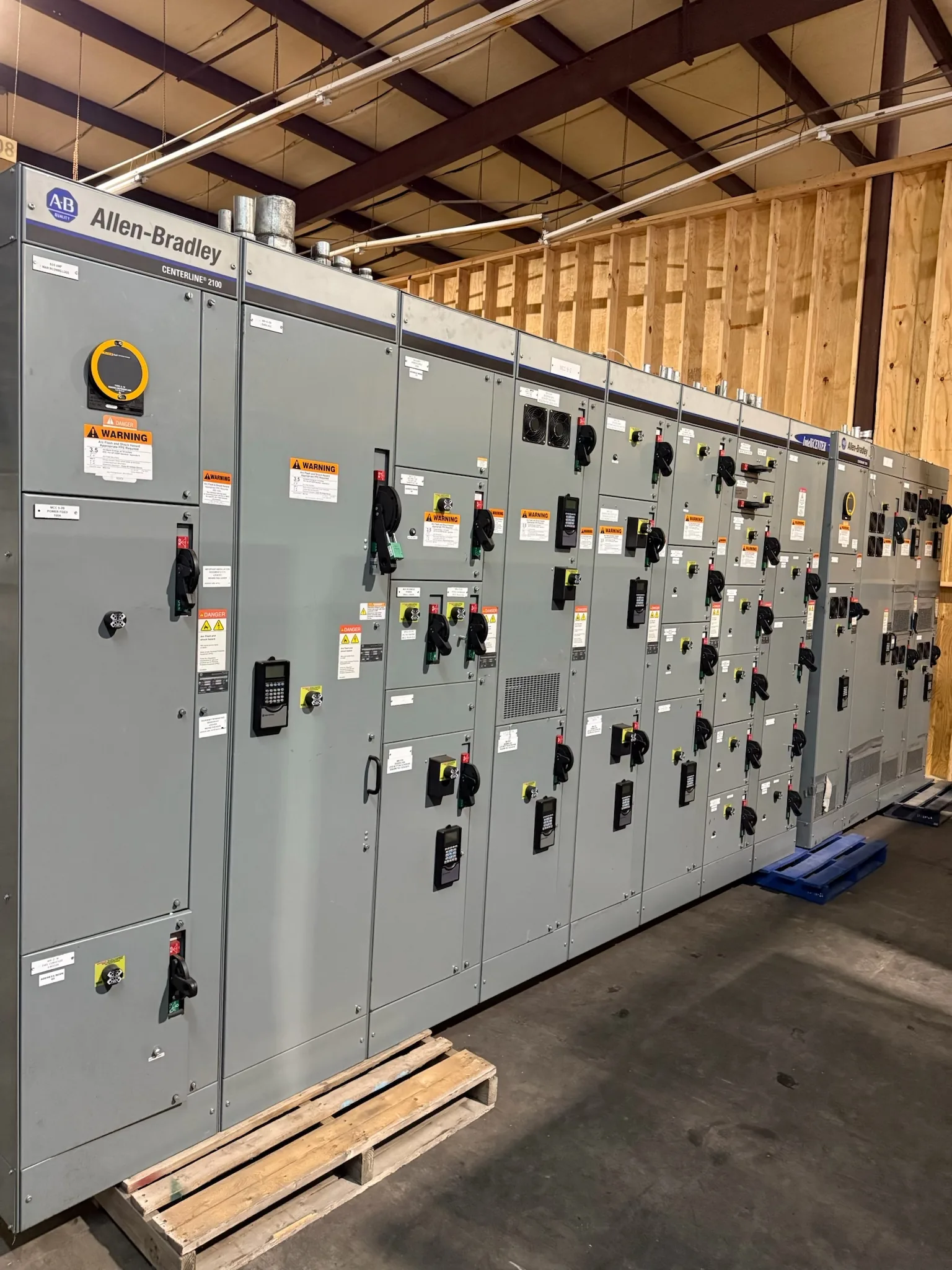
Power distribution, with purpose.
An enclosure’s finish is part of its protection system, not merely a color choice. Surface condition, coating chemistry, fabrication details, transport damage, and the actual installation environment all affect how well sheet metal resists corrosion over time. For a switchboard or custom electrical enclosure, define these conditions before quoting so the proposed finish can be evaluated against the application rather than assumed suitable by appearance.
Start with the exposure, not a coating name
Describe where the enclosure will operate and what its surfaces may encounter: indoor humidity, condensation, washdown, salt-bearing air, industrial chemicals, ultraviolet exposure, or abrasive dust. Include whether the enclosure is indoors or outdoors, sheltered or exposed, and near a process that can release corrosive vapors. Dallas–Fort Worth projects can have very different conditions depending on whether equipment is in a conditioned electrical room, an unconditioned service area, or an exposed site. Regional location alone does not establish the required coating.
Exposure information should also identify operating temperature, cleaning agents, expected service life, and any relevant facility or owner specification. A coating selected for general indoor service may not tolerate a particular solvent or repeated condensation. Conversely, a more elaborate system can add cost, affect appearance, or complicate repair without improving performance in a clean, controlled room. The purchaser and engineering team should resolve these tradeoffs against the equipment location and maintenance plan.
Specify preparation and coating as a system
Surface preparation influences adhesion and corrosion resistance. The specification should identify the intended substrate, cleaning and pretreatment expectations, and any preparation requirements before coating. Oil, oxide, weld residue, sharp burrs, and handling contamination can compromise a finish if not addressed. Where a project requires a defined preparation method or measurable acceptance criteria, provide the governing specification rather than relying on a generic phrase such as “corrosion resistant.”
Compare coating options by their documented compatibility with the substrate, exposure, and intended use. A powder coating, liquid-applied coating, or other finish may differ in impact resistance, repairability, thickness, color availability, and sensitivity to surface preparation. Do not assume a named finish or color establishes a corrosion performance level. The specific product, application process, cure requirements, and qualification evidence must be reviewed for the enclosure and order; unverified coating processes or capabilities should be treated as planned requirements pending confirmation.


Address cut edges, welds, and damaged areas
Edges and transitions deserve explicit attention because fabrication can create locations where a coating is thin, interrupted, or difficult to apply consistently. Identify how seams, welds, corners, holes, mounting features, and cut edges are to be prepared and finished. The required approach depends on the base material and coating system; a touch-up material suitable for one finish may not adhere to another or provide equivalent protection. Include the required product and repair method in the project documents when they are known.
Transport, lifting, assembly, and field handling can scratch or chip a finished surface. Define who inspects the enclosure, how damage is recorded, and whether repair is permitted before energization or installation. Touch-up should follow product-specific instructions for cleaning, preparation, application, and cure, with suitable controls for electrical components and adjacent surfaces. Do not treat an improvised paint repair as proof that the original coating performance has been restored.
Resolve interfaces before fabrication
The finish decision must fit the enclosure design and its interfaces. Confirm material and finish requirements for doors, removable panels, frames, bases, external hardware, and any supplied accessories, as well as color and gloss expectations where they matter. Consider masking needs at bonding or grounding points, threaded features, nameplates, labels, gasket lands, and machined surfaces. The design review should identify which areas must remain uncoated or receive a separately specified treatment, rather than leaving those details to interpretation during production.
Coating thickness and process conditions can affect clearances, fit, hardware engagement, gasket compression, and the legibility or adhesion of labels. These effects should be considered with the enclosure drawing and the applicable electrical design requirements. A finish specification does not establish an enclosure rating, electrical rating, or suitability for a hazardous location. Any required enclosure construction or certification must be confirmed separately for the specific assembly and configuration.
Provide quote inputs and define deliverables
For a useful quote, provide the enclosure or switchgear drawings, material and dimensions, quantity, installation environment, finish color, governing owner or project specifications, and any required preparation, coating, testing, or documentation criteria. State whether the finish applies to exterior surfaces only or also to interior surfaces and removable parts. Include shipping and handling expectations if they affect packaging or inspection. These inputs let the manufacturer identify open technical questions and determine whether requested materials or processes can be confirmed for the order.
Agree on the record set before release. Depending on the project, useful outputs may include approved finish notes on drawings, product and color identification, applicable qualification documents, inspection or repair records, and written maintenance guidance. Such records should be specific to the selected product and actual build, not generic claims about every enclosure. Custom fabrication with American components and a shorter lead time as a goal may be considered where applicable, but component origin, availability, schedule, and any U.S.-origin requirement must be confirmed for the specific order.
Plan inspection and maintenance over service life
A coating needs periodic condition checks appropriate to its exposure. The owner’s maintenance plan should identify inspection frequency and what to look for, such as blistering, rust staining, cracking, impact marks, or water collecting at seams. Set expectations for cleaning methods and compatible products; aggressive abrasives or unapproved chemicals can damage a finish that otherwise remains serviceable. Follow the selected coating manufacturer’s instructions and the equipment documentation for inspection and repair.
When finish requirements affect electrical equipment, coordinate them with the complete switchgear scope and applicable standards. UL 891 applies to low-voltage switchboards where applicable; it is not a general qualification for medium-voltage or high-voltage equipment. Confirm ratings, short-circuit requirements, standards, coating qualifications, and any origin conditions for the specific configuration. Drawings and maintenance documents should clearly distinguish verified requirements from items still subject to engineering review.
Specifications & planning
Review the details that matter for your application. Final specifications and availability should be confirmed for your project.
| Evaluation factor | Project information to establish |
|---|---|
| Exposure | Indoor or outdoor location, moisture, chemicals, UV, and cleaning conditions |
| Preparation | Substrate, required cleaning or pretreatment, and acceptance criteria |
| Finish system | Product-specific coating, color, coverage, compatibility, and qualification evidence |
| Repair and upkeep | Approved edge or damage repair method, inspection expectations, and maintenance instructions |