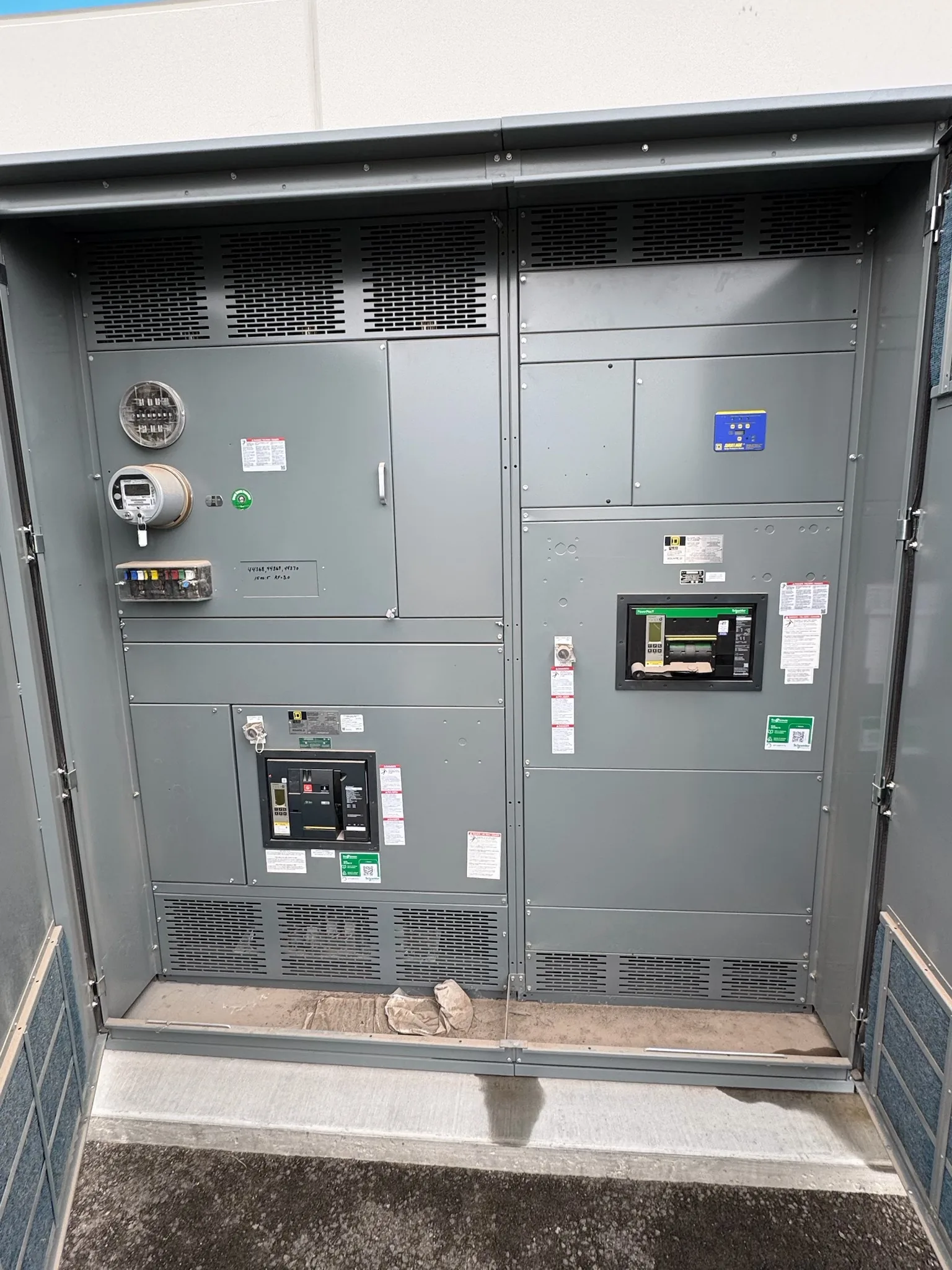
Power distribution, with purpose.
Choosing between a UL 891 switchboard and UL 1558 low-voltage power-circuit-breaker switchgear is not simply a matter of selecting a preferred product name. The equipment differs in construction, the devices used for switching and protection, and the way a project may require it to interface with the electrical system. The right choice depends on the one-line diagram, fault and coordination studies, operating needs, and exact project specifications. UL 891 applies to low-voltage switchboards; it is not a general listing for medium-voltage equipment. Confirm the applicable standard and the actual assembly’s listing for the proposed configuration before making a selection.
Start with the assembly, not the label
A low-voltage switchboard is generally a floor-mounted assembly of buses, overcurrent devices, and other components arranged to distribute power. A UL 891 switchboard may use circuit breakers, fusible switches, or a combination, depending on the design and specifications. Its construction and internal arrangement are governed by the applicable requirements for switchboards. The term “low-voltage switchgear” is often used loosely in conversation, so it is important to establish whether a specification actually calls for UL 1558 power-circuit-breaker switchgear rather than relying on a product description alone.
UL 1558 switchgear is built around power circuit breakers and the construction requirements applicable to that equipment. The two standards do not make the products interchangeable, and neither standard by itself proves that every possible lineup, rating, or component combination is suitable for a project. Ask for documentation identifying the standard and listing applicable to the actual assembly, including any specified sections, devices, and options. Confirm that requirements in the project specification, drawings, and authority review are consistent with that basis.
Compare device type and operating needs
Device selection affects maintenance, operation, and the way a system can be isolated. Switchboards may use molded-case or insulated-case circuit breakers, or fused switches, as appropriate to the design. UL 1558 switchgear uses power circuit breakers, commonly in drawout arrangements, when the equipment design and specified configuration call for them. Drawout construction can support removal or isolation of a breaker for maintenance, but it also brings particular operating procedures, interlocks, and space considerations that must be addressed in the design.
Consider who will operate the equipment, how critical loads are served, and what maintenance practices the facility can support. A project may value the isolation and service approach associated with power-circuit-breaker switchgear, while another may prioritize a switchboard configuration that fits the distribution plan and specified devices. Do not assume a device type, drawout feature, maintenance interval, or operating benefit is universal. Confirm the selected equipment’s construction and device documentation, and have qualified personnel evaluate operational requirements.


Match the application to the system
A representative design scenario helps clarify the decision. Suppose a facility is planning a new low-voltage main distribution lineup with a main device, feeder devices, and connections to downstream distribution equipment. If the owner’s specification requires power circuit breakers, a drawout arrangement, and a lineup designed to UL 1558, a UL 891 switchboard should not be substituted solely because it can provide similar distribution functions. If the project instead specifies a UL 891 switchboard and its device and construction requirements are met, switchgear should not be assumed necessary just because the lineup is a main distribution assembly. This is a hypothetical comparison, not a statement about a completed project or available product.
In either case, selection must account for the system’s nominal voltage and the equipment’s applicable maximum rating, as well as continuous current, available fault current, short-circuit rating, and protective-device requirements. These values are related but not interchangeable. The engineer should confirm the electrical study assumptions and specify the required equipment basis. Ratings, component availability, applicable standards, and any U.S.-origin requirements must be reviewed for the specific order; they should not be inferred from a general product category.
Provide the information needed for a quote
A useful quote request includes the latest one-line diagram, project specifications, and the equipment schedule, along with nominal system voltage, phase and wire configuration, main and feeder device requirements, and the requested standard. Include available fault-current data and the required short-circuit rating, with the source and study basis identified when known. A preliminary or incomplete value should be clearly labeled so it is not mistaken for a verified design requirement. Also provide the required number of sections, anticipated lineup arrangement, cable or bus connections, and any known space constraints.
Project conditions and options can affect configuration and review. Identify metering and control needs, communications interfaces, transition or tie requirements, environmental conditions, and any owner or utility specifications that apply. Note the intended installation schedule and delivery constraints without treating an estimated lead time as a guarantee. For customers planning work in Dallas–Fort Worth or elsewhere, accurate drawings and scope information help clarify the requested equipment; service to a region does not establish a local manufacturing location or guarantee delivery timing.
Coordinate interfaces and approval boundaries
The lineup is only one part of the distribution system. Its main and feeder devices must coordinate with upstream protection and downstream equipment, based on the project’s approved study and device data. The design also needs to resolve physical and electrical interfaces, including incoming and outgoing conductors, grounding and bonding, control wiring, metering, communications, and any tie or transfer scheme. Confirm who supplies each component and connection, and identify boundaries between the equipment manufacturer, electrical engineer, contractor, utility, and other vendors.
A manufacturer can review the requested configuration and identify information needed to develop an equipment proposal, but that does not replace the engineer of record’s design decisions, the owner’s acceptance, or review by the authority having jurisdiction. Installation, field connections, settings, testing, and commissioning must be assigned and performed under the project’s approved scope by appropriately qualified parties. Do not treat a proposed arrangement as approved for construction until the responsible parties have reviewed the drawings, ratings, interfaces, and applicable requirements.
Verify the actual listing and configuration
Before procurement, reconcile the equipment proposal and submittal with the specification and one-line diagram. Check that the named standard matches the requested equipment type, that the listed assembly corresponds to the configuration being supplied, and that device types and ratings match the approved design. UL 891 is a switchboard standard; it should not be represented as a general listing for UL 1558 switchgear or for medium-voltage equipment. A 5 kV, 15 kV, 27 kV, or 35 kV class is normally medium voltage in this context and requires a separate, appropriate equipment basis.
Custom equipment should be evaluated as a specific build rather than assumed available in every configuration. Confirm product availability, components, ratings, options, standards, and any origin requirements in writing for the order. A shorter lead time may be a project goal, but timing depends on the confirmed scope and supply conditions and is not guaranteed by a product comparison. Resolve deviations and approval comments before release so the selected switchboard or switchgear is documented against the project’s actual electrical and operational requirements.
Specifications & planning
Review the details that matter for your application. Final specifications and availability should be confirmed for your project.
| Evaluation factor | UL 891 switchboard |
|---|---|
| Applicable equipment basis | Switchboard construction; verify actual assembly listing |
| Device approach | May use breakers, fusible switches, or specified combination |
| Decision inputs | One-line, device needs, ratings, fault and coordination data |