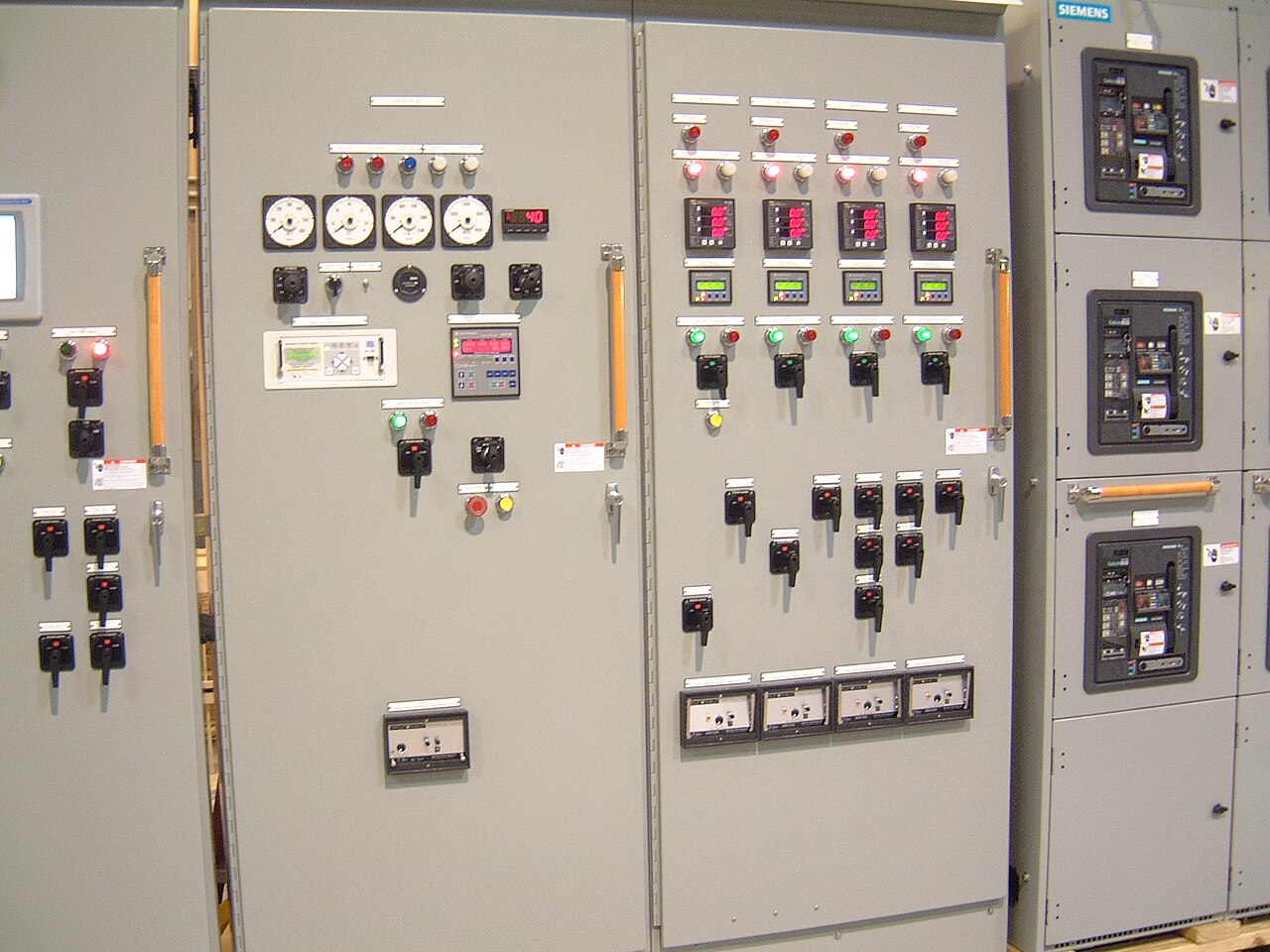
Power distribution, with purpose.
Our role begins with understanding the electrical system and the job the equipment must perform. We manufacture and supply custom switchgear and switchboards, using American components where specified and available. From Dallas–Fort Worth projects to orders shipped nationwide, a useful first conversation is grounded in drawings, operating conditions and clear requirements—not assumptions about a standard package.
Start with the system, not a catalog description
A project description such as “main switchboard” or “medium-voltage gear” identifies a general need, but it does not define an assembly. The first review should establish system nominal voltage, phase and frequency, grounding arrangement, source configuration, continuous current, available fault current and the intended method of operation. These details influence the equipment class, bus arrangement, protective devices and physical layout. Nominal system voltage and an equipment’s maximum voltage rating are related but are not interchangeable specification terms.
The application matters just as much as the one-line diagram. Indoor or outdoor use, ambient conditions, access clearances, cable entry direction, future feeder space and the location of the equipment in the facility can change the design. For a buyer in Dallas–Fort Worth, the same engineering information is useful as for a project elsewhere: service conditions and delivery constraints need to be stated rather than inferred from the region. We ship nationwide, but do not assume a particular site condition or delivery arrangement without project details.
Bring the manufacturer into the review early
Manufacturer-first engagement gives the engineering review a chance to identify gaps before a configuration becomes difficult to change. Share the latest one-line diagram, equipment schedule, project specifications, control schematics if available, and the applicable short-circuit study or fault-current information. Include preferred makes or types of breakers, metering and protective relays, as well as any owner or engineer requirements for communications, alarms, interlocks and control power. If documents conflict, identify which one governs or ask for the conflict to be resolved during review.
This early exchange is especially valuable when the project involves an existing lineup, a constrained electrical room or connections to equipment supplied by others. The review can flag interface questions such as bus connections, cable termination space, control wiring responsibilities and how signals must be exchanged. It cannot replace the engineer of record’s system design or site verification. Instead, it helps clarify what the switchgear manufacturer needs to build the specified equipment and what remains an open design decision.


Specify American components without leaving gaps
A request for American components should identify what that phrase means for the project. It may refer to particular component manufacturers, component origin, manufacturing location, domestic content requirements or a contractual sourcing rule. Those requirements are not automatically equivalent. Tell us which devices are covered, whether substitutions are permitted, and what documentation or purchasing clauses apply. Component availability and origin must be confirmed for the specific order, and a preferred component may affect configuration, coordination, cost or timing.
The component schedule should distinguish essential selections from preferences. For example, identify required breaker functions, trip units, meters, relays, control power devices and communication protocols, then note acceptable alternatives where the engineer or owner allows them. A substitute is not simply a name change: its ratings, dimensions, connection requirements, protection functions and compatibility with the assembly need review. Clear substitution rules help avoid late changes while preserving the purchaser’s control over critical selections.
Treat ratings and standards as project-specific
A sound quotation depends on coordinated ratings, not a single voltage or ampere value. Provide the required continuous-current and short-circuit ratings, system grounding details, protection requirements and any applicable withstand or interrupting criteria. The equipment rating must suit the actual system and installation. If the available fault-current value or protective-device coordination is still being developed, state that plainly so the open item can be identified rather than silently assumed.
UL 891 applies to low-voltage switchboards; it is not a general listing for medium- or high-voltage switchgear. The relevant product standard and any requested certification or compliance documentation depend on the equipment type and project specification. Do not infer a particular assembly’s status from a general product description. Applicable standards, ratings, component selection and any U.S.-origin requirement must be checked and confirmed for the specific build before they are treated as committed.
Make buildability and schedule visible in the quote request
A quote request is most useful when it includes the desired delivery location and date, installation constraints, shipping or receiving limitations, and the current status of the drawings and specifications. Note whether the equipment must pass through particular doors or corridors, whether sections need to be split for transport, and which party is responsible for field connections. These are practical decisions: an arrangement that fits an electrical diagram may still need adjustment to meet room access, handling or termination needs.
We aim for shorter lead times, but timing is not guaranteed by a general statement. It depends on the approved design, selected components, supplier availability, scope changes and other order-specific factors. State required milestones and identify decisions that could affect release for manufacture. A clear scope also helps distinguish what is included in the equipment from site work, installation, commissioning or other services that have not been specified.
Use review questions to reduce avoidable rework
Before approving a proposal, compare its scope with the project documents. Confirm the equipment lineup, source and feeder arrangement, bus details, protective and metering devices, control interfaces, connection orientation, enclosure conditions and stated ratings. Resolve exceptions in writing, especially where the proposal identifies assumptions or requests a decision. A small mismatch in control voltage or cable entry can have consequences beyond the drawing, affecting field coordination and the readiness of connected systems.
A useful final review separates confirmed requirements from items still awaiting engineering, owner or utility input. That separation supports responsible manufacture without promising a design outcome before the necessary information is available. Whether the destination is in Dallas–Fort Worth or elsewhere in the United States, a complete submittal and timely answers help keep the approved equipment aligned with the intended application. The project team should retain responsibility for system studies, site measurements and installation planning within its defined scope.
Specifications & planning
Review the details that matter for your application. Final specifications and availability should be confirmed for your project.
| Evaluation factor | Information to provide |
|---|---|
| System definition | Nominal voltage, phase, frequency, grounding and source arrangement |
| Electrical duty | Continuous-current requirement and documented available fault current |
| Component sourcing | Required manufacturers, origin rules and permitted substitutions |
| Physical interfaces | Indoor or outdoor conditions, access, cable entry and connection needs |
| Project readiness | Current drawings, governing specifications, delivery target and open decisions |