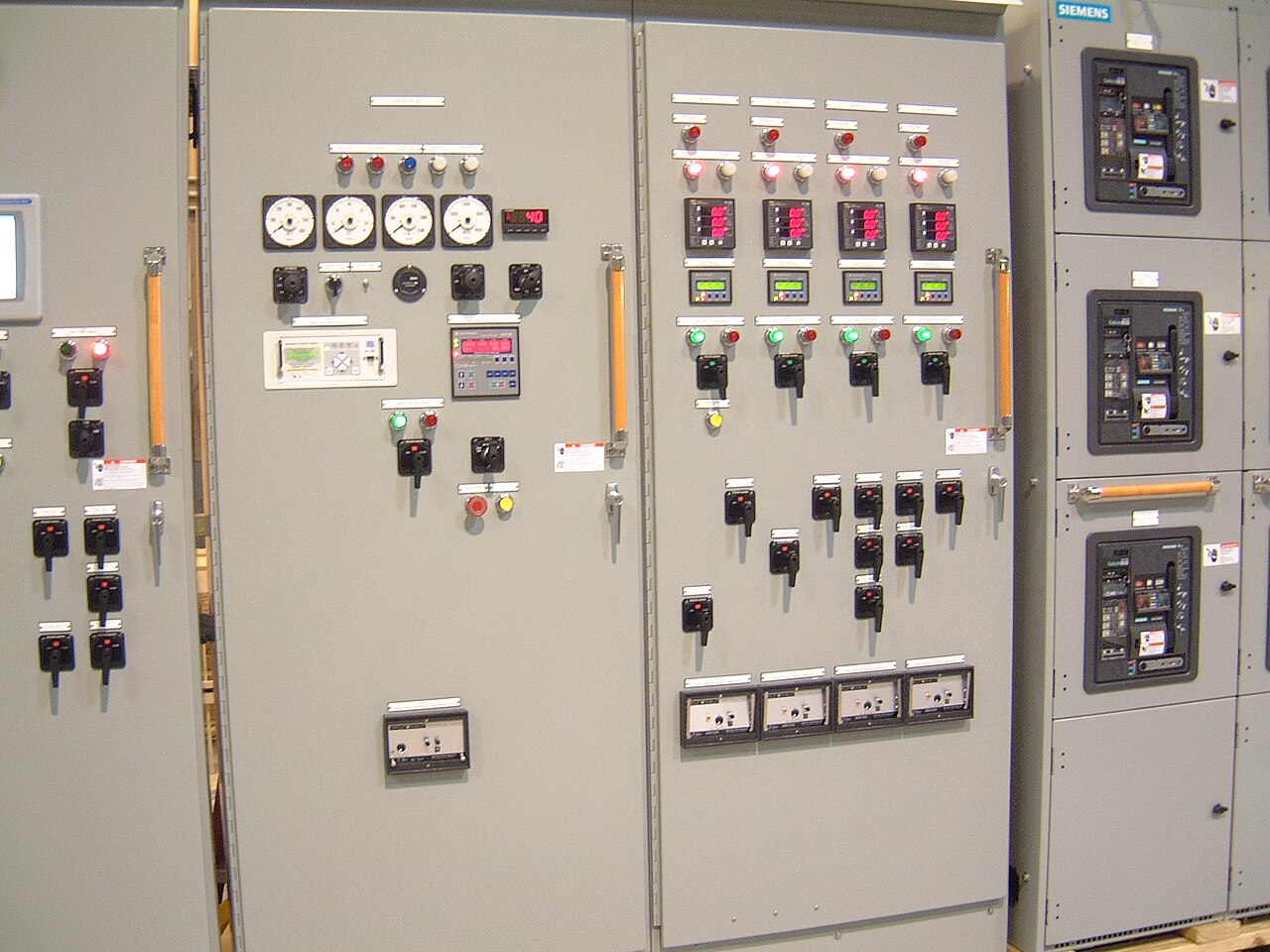
Power distribution, with purpose.
Dallas–Fort Worth projects can span different jurisdictions, serving utilities, site conditions, and construction schedules. The region is a coordination area, not a promise of a local branch or a uniform approval path. Successful planning starts with the specific installation address and the parties responsible for its electrical design, review, delivery, and acceptance.
Start with the installation address and authority
A project’s physical location determines which authority having jurisdiction (AHJ) reviews the work and which adopted code edition, amendments, and permitting procedures may apply. A site in one North Texas city cannot be assumed to follow the same review process as a site elsewhere in the metropolitan area. Confirm the AHJ with the owner, electrical engineer, or permitting authority early; a mailing address or general “DFW” designation is not enough to establish the governing requirements.
The AHJ’s scope may intersect with the serving utility’s requirements without replacing them. Ask the project team to identify who approves service arrangements, metering, protective-device coordination, and equipment access, and when each review must occur. These decisions can affect switchgear layout and submittal content. Requirements should be verified for the actual site and current project, rather than inferred from another city, building, or utility territory.
Identify the utility and service arrangement
There is no single utility assumption that safely covers every Dallas–Fort Worth project. The serving utility, point of delivery, ownership boundary, and service configuration must be established for the site. Utility service drawings and written requirements help clarify whether the project needs utility-facing compartments, metering provisions, service-entrance features, or a particular arrangement of incoming conductors. Confirm responsibility for each interface before the equipment design is settled.
For a quote, provide the utility’s current service requirements and available electrical data, including nominal system voltage, phase, frequency, grounding arrangement, and any stated fault-current information. Distinguish system nominal voltage from the equipment’s maximum voltage rating; they are related but not interchangeable. The engineer should confirm the required continuous-current and short-circuit ratings and protective-device details. Component availability, rating combinations, and any applicable standards or U.S.-origin requirements must be checked for the specific order.


Coordinate switchgear with the building and site
Site conditions affect more than shipping. Provide room dimensions, equipment location, access-door and corridor clearances, floor or housekeeping-pad details, and the planned route from the receiving point to the final position. Note overhead obstructions, turning limits, staging restrictions, weather exposure, and whether installation must occur within an operating facility. These facts help the design team assess dimensions, lineup arrangement, lifting and handling assumptions, and the practicality of moving the equipment into place.
Equipment interfaces should be documented alongside the room plan. Share one-line diagrams, load schedules, cable entry direction and space, conduit locations, control schematics, and any required tie-ins to transformers, generators, transfer equipment, or downstream panels. Late changes to cable routing or adjacent gear can create clearance conflicts and rework. The manufacturer can evaluate a proposed custom build against the information supplied, but final fit, coordination, and installation planning remain project-specific and should be reviewed by the responsible design and construction professionals.
Build the specification around the application
A useful specification identifies the equipment type and function rather than relying on a broad label such as “switchgear.” Low-voltage switchboards and medium-voltage switchgear serve different applications and are subject to different design and standards considerations. UL 891 applies to low-voltage switchboards; it is not a general listing for medium- or high-voltage equipment. Do not assume a particular assembly is listed or compliant until the proposed configuration and its documentation have been confirmed for the order.
For a low-voltage assembly, clarify the bus arrangement, main and feeder devices, metering, control power, neutral and grounding provisions, enclosure requirements, and desired documentation. For medium-voltage applications, identify the system voltage class, switching and protective functions, insulation and termination needs, and the utility or engineer’s specified requirements. State the required short-circuit rating and how it was established. A complete review should resolve ratings, applicable standards, component choices, and any procurement-origin clauses before release.
Plan submittals, logistics, and delivery coordination
A DFW-area delivery plan depends on the receiving site, not just its place name. Confirm the receiving contact, unloading responsibility, vehicle access, delivery-hour restrictions, staging area, and whether the shipment can reach the electrical room or must be handled in sections. Construction sequencing matters too: the room may need to be weather-tight and ready before equipment arrives, while access may be restricted by other trades or active operations. These details should be agreed by the purchaser and project team.
The manufacturer builds and supplies new equipment, including custom assemblies using American components where specified and available. A shorter lead time may be a goal, not a guaranteed schedule; timing depends on the approved design, component availability, and order-specific requirements. Provide the required delivery window and submittal milestones when requesting a quote, then confirm schedule assumptions in the proposal and order documents. Serving Dallas–Fort Worth does not imply a local factory, branch office, installation service, or guaranteed shipping date.
Prepare a complete quote package and use the city guides
A purchaser seeking new equipment can make a quote more useful by supplying the installation city and site address, one-line diagram, equipment schedule, specifications, load information, utility documents, required ratings, and relevant room and access drawings. Include the desired quantity, requested submittal and delivery milestones, and any project-specific code, standards, or U.S.-origin language. Identify open questions instead of treating unknown utility data or site conditions as settled. The manufacturer can then review the requested configuration and identify information that still needs engineering confirmation.
The linked 20 city guides are intended to help readers frame location-specific questions across the wider Dallas–Fort Worth area; they are not substitutes for site verification or utility and AHJ confirmation. Use the guide for the project’s actual municipality, then validate the governing authority, adopted code edition, serving utility, access constraints, and approval requirements with the responsible parties. Those checks provide a more reliable basis for selecting and specifying new switchgear than assuming that nearby projects share the same rules.
Specifications & planning
Review the details that matter for your application. Final specifications and availability should be confirmed for your project.
| Evaluation factor | Project information to confirm |
|---|---|
| Jurisdiction | Actual site, AHJ, adopted code edition, and permit review path |
| Service interface | Serving utility, ownership boundary, service arrangement, and written requirements |
| Electrical design | Nominal voltage, equipment ratings, fault-current basis, one-line, and protection details |
| Delivery access | Receiving point, unloading responsibility, route, staging limits, and requested schedule |