Power distribution, with purpose.
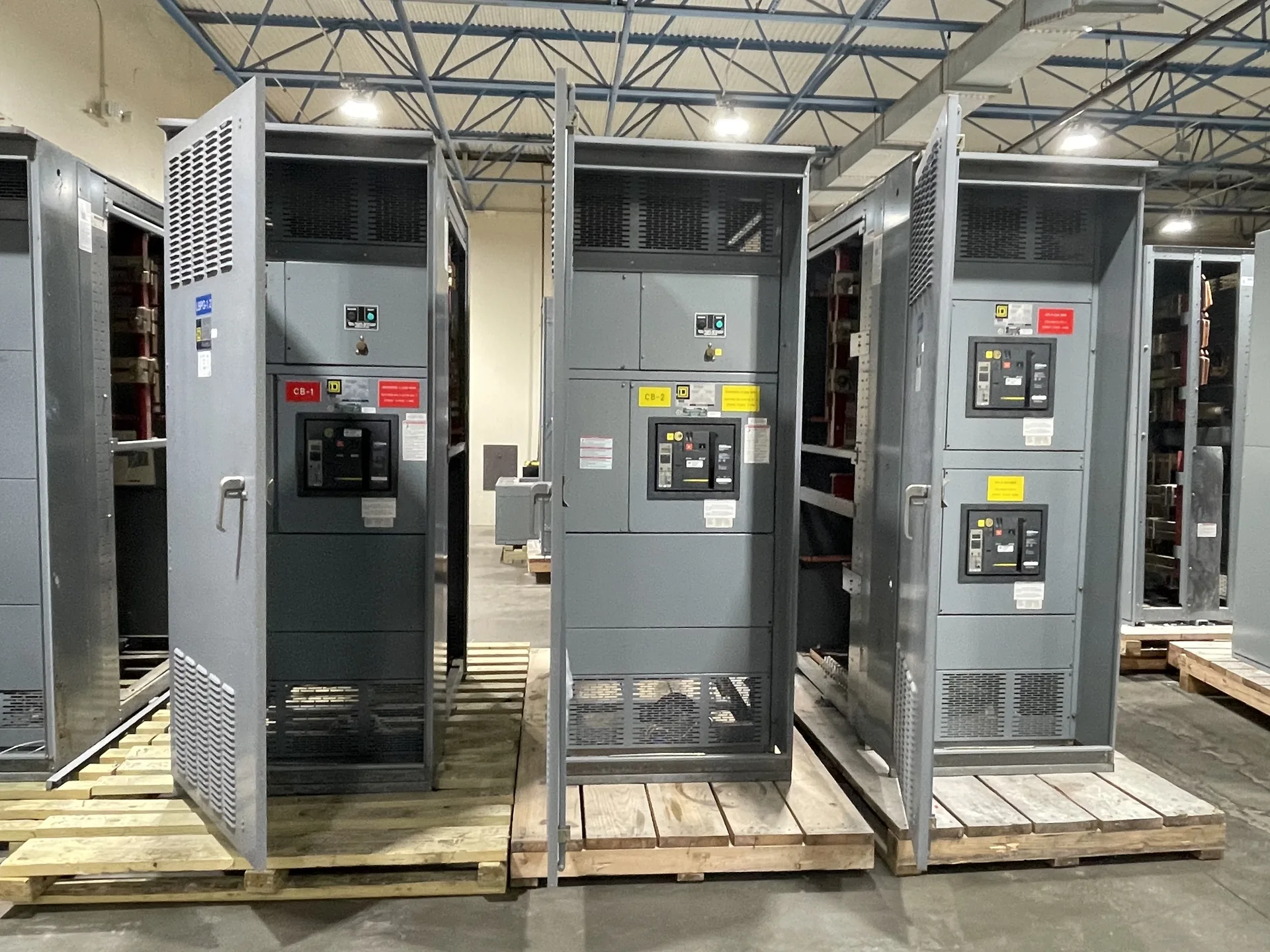
Switchgear cost depends on what the equipment must do, how it connects to the electrical system, and what the purchase scope includes. A useful comparison begins with matching technical requirements—not with a low headline price. The guidance below explains the main cost drivers for new equipment and the details to gather before requesting a quote.
Start with the electrical duty, not a catalog label
The first cost driver is the system the equipment must serve. Supply the nominal system voltage, frequency, phase and wire configuration, and identify whether the request is for low-voltage switchboard equipment or medium-voltage switchgear. Nominal system voltage is not the same as an equipment’s maximum voltage rating. The required rating, insulation levels where applicable, and other design particulars must be confirmed for the specific application.
Current and fault-duty requirements shape the equipment and its components. A quote needs the continuous current, available short-circuit current at the equipment location, required short-circuit rating, and protection or coordination criteria when known. Those values should come from qualified engineering analysis, not a guess based on the service size. A higher fault duty or a particular protective-device arrangement may affect the design, components, testing scope and ultimately cost.
Compare equivalent boundaries and included work
Two proposals are not comparable if one covers only the main assembly while the other includes a broader package. Define the boundary clearly: incoming and outgoing sections, breakers or switches, metering, control power, protective relays, communications, bus connections, and any specified accessories. Also identify whether the quote includes drawings, submittals, factory testing, documentation, shipping, or other requested services. The manufacturer’s actual scope and capabilities should be verified for each order.
Installation, field wiring, commissioning and site modifications may be separate from equipment supply. Clarify who is responsible for each interface, including terminations, conduit or busway connections, grounding, and integration with upstream and downstream devices. A lower equipment price can become a poor comparison if exclusions surface late or require redesign. Request a written list of inclusions, exclusions, assumptions and customer-furnished items alongside the commercial proposal.


Configuration, protection and metering choices change the scope
The one-line diagram is a major cost reference because it shows how many sources, bus sections, ties and feeders the assembly must accommodate. A simple distribution arrangement is different from one requiring multiple sources, transfer logic, selective coordination, or separate sections for critical loads. Each additional function can affect compartment layout, wiring, devices, controls and review effort. Provide the intended operating modes and explain which loads must remain supplied during planned or unplanned source changes.
Protection and monitoring decisions deserve the same care. Specify whether the design calls for particular trip functions, relays, instrument transformers, meters, alarms, communications protocols or remote interfaces. These are not interchangeable add-ons: they must fit the electrical design and coordinate with the wider system. For low-voltage switchboards, UL 891 may be relevant when applicable to the specified assembly; it does not establish a general listing for medium-voltage equipment. Applicable standards and any requested certification must be confirmed for the exact order.
An example shows why a single price is misleading
Consider a hypothetical facility comparing two new distribution assemblies for the same nominal system voltage. The first request describes a main section and a small set of feeders. The second adds a bus tie, source-transfer controls, metering at multiple points, communications, and a higher short-circuit requirement based on a study. Even if both requests use the same broad equipment label, they do not describe the same scope or engineering duty.
A fair comparison would align the one-line diagram, ratings, device functions, enclosure and environmental requirements, documentation, test scope and delivery terms. If one option uses different protection or omits a required interface, its lower quoted amount does not establish savings for an equivalent design. This example is illustrative only; the equipment configuration, component availability, standards and price require review against the actual project documents.
Send a complete quote package and flag open decisions
A purchaser can improve quote accuracy by supplying the latest one-line diagram, equipment schedule, specifications, load and fault-study information, and required connection details. Include the nominal voltage and system configuration, continuous current, short-circuit duty, incoming source information, feeder count and sizes, breaker or switch requirements, and the desired metering and control functions. Identify the installation environment, enclosure expectations, cable entry and termination preferences, space constraints, and any transportation or delivery limitations.
Also state the project location, required submittal and ship dates, requested testing or documentation, and whether the scope includes only new equipment or defined related services. Mark unresolved items rather than silently assuming them; for example, a fault study may be pending or a communications protocol may still need owner approval. In Dallas–Fort Worth or elsewhere, site access, receiving constraints and coordination with the electrical contractor can affect planning, but do not by themselves determine equipment price.
Use engineering review to manage cost and risk
Engage a qualified electrical engineer or other appropriate professional when the system duty, fault current, protection coordination, arc-flash requirements, or equipment interfaces are uncertain. The professional can help establish defensible ratings and assess tradeoffs, such as whether a requested feature is necessary for the operating objective or whether a simpler arrangement meets the design intent. Avoid reducing cost by weakening a required rating or omitting protection without a documented technical review.
A manufacturer can use the purchaser’s documents to develop a new-equipment proposal and identify assumptions or information gaps. Custom builds and American components may be considered where they suit the specification, and shorter lead time can be a goal rather than a guarantee. Confirm component availability, US-origin requirements, standards, ratings, testing, schedule and commercial terms for the particular order before treating any proposal as final.
Specifications & planning
Review the details that matter for your application. Final specifications and availability should be confirmed for your project.
| Evaluation factor | Information to compare |
|---|---|
| Electrical duty | Nominal system voltage, equipment rating, continuous current and verified fault duty |
| Assembly scope | Sections, feeders, devices, bus connections and explicitly stated exclusions |
| Controls and monitoring | Protection functions, metering, communications and required interfaces |
| Delivery and documentation | Submittals, testing, shipping terms and project schedule assumptions |