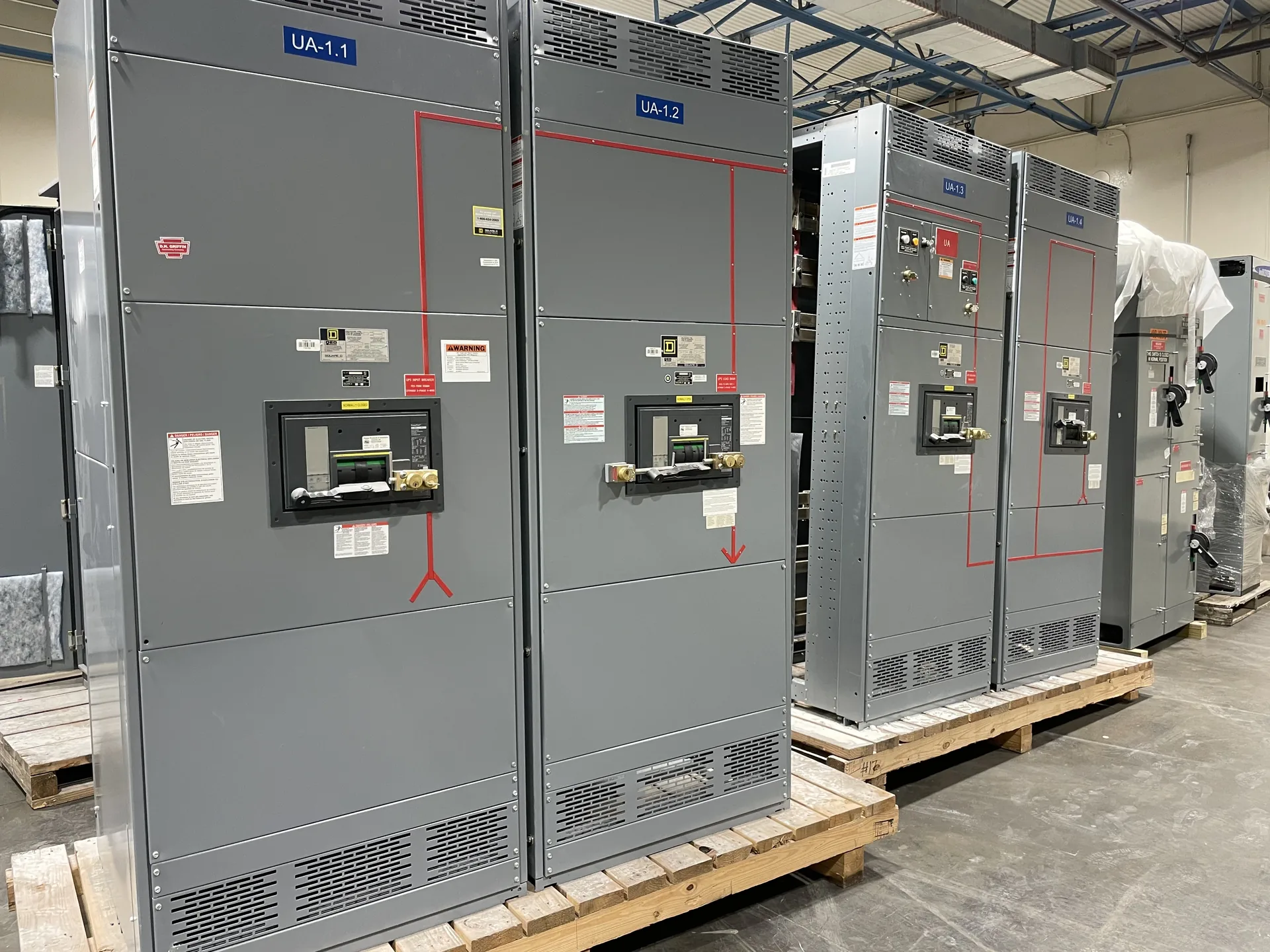
Power distribution, with purpose.
Switchgear is not automatically UL Listed simply because it is built to a familiar standard, contains labeled components, or resembles a listed product. A listing applies to a defined product configuration and scope, so purchasers should verify the actual assembly and its documentation against the project specification before relying on it.
A standard reference is not proof of a listing
A specification may call for equipment designed to a particular industry standard, but that reference alone does not establish that a complete switchgear assembly has been evaluated or listed by UL. Standards address design and performance requirements; a product listing is a separate, product-specific conformity claim. The distinction matters in procurement because a drawing note or quotation that names a standard is not a substitute for evidence identifying the listed product and its applicable configuration.
For low-voltage switchboards, UL 891 is a relevant product standard. It should not be treated as a general UL listing for every type of switchgear. Medium-voltage equipment, including equipment described by 5 kV, 15 kV, 27 kV, or 35 kV classes, is a different category and should not be represented as UL 891 equipment. Confirm the applicable standards and evaluation path for the actual equipment rather than carrying a familiar reference into a different voltage class.
A component label does not cover the complete assembly
A breaker, meter, control power transformer, or other component may carry its own certification or listing. That label applies to the component within its evaluated scope; it does not automatically establish the status of the switchboard or switchgear lineup in which the component is installed. The assembly’s construction, bus arrangement, enclosure, barriers, wiring, protective devices, and combinations of components can all affect whether the finished product falls within a listing.
For example, consider a proposed low-voltage switchboard with a labeled circuit breaker installed in a custom section. The breaker label may help identify the device, but it does not by itself demonstrate that the complete section, its connections, or the lineup configuration is covered by a UL 891 listing. The example is illustrative, not a claim about any particular product. Ask for product-specific documentation and confirm that it applies to the offered assembly and options.


Verify the offered configuration, not just the product name
A listing can have defined limits, conditions, and construction details. A change to ampacity, short-circuit rating, bus material or arrangement, enclosure, incoming connection, or protective-device combination may affect whether a proposed configuration remains within the evaluated scope. Similarly, field modifications or substitutions after manufacture can make the installed arrangement differ from the configuration represented by the supporting documentation.
Before approving a submittal, match the evidence to the equipment description, drawings, and bill of materials. Check the exact equipment type, voltage class, ratings, section arrangement, and any stated conditions of use. Distinguish system nominal voltage from the equipment’s maximum voltage rating; the terms are related but not interchangeable. If a document or label is ambiguous, request clarification rather than assuming that a similar model or individual component establishes coverage.
Give the manufacturer enough detail to assess the request
A useful quote request describes the intended application, not just a general request for “UL switchgear.” Provide the one-line diagram, system nominal voltage, required equipment class, continuous current, available fault current or required short-circuit rating, main and feeder device requirements, bus configuration, enclosure and environmental conditions, and any metering or control needs. Identify the governing project specifications, applicable codes or standards, and the listing language required by the owner, engineer, or authority having jurisdiction.
Also identify site interfaces that can affect design, including cable entry and termination preferences, dimensions or space constraints, service arrangement, and coordination with upstream and downstream equipment. State whether U.S.-origin requirements apply and how those requirements are defined in the procurement documents. Ratings, component availability, standards, country-of-origin requirements, and listing scope must be confirmed for the specific order; none should be inferred from a general product description.
Resolve listing and design choices before release
The requested listing status can influence product selection and design flexibility. A purchaser may need to reconcile a preferred component, a custom layout, a required rating, and the exact evaluation or documentation requested by the project. Do this during specification review, since late changes to devices, bus, or arrangement may require revised drawings, additional review, or a different equipment solution. A shorter lead time may be a goal, but it should not override confirmation of the required scope and evidence.
A manufacturer can build new custom equipment and help evaluate whether the requested arrangement is feasible; that does not make every custom assembly listed or guarantee that a particular configuration will qualify. For low-voltage switchboard requests, clarify whether UL 891 is required for the complete assembly and what documentation the project will accept. For medium-voltage applications, identify the relevant product standards and evaluation requirements instead of applying UL 891 by default.
Bring qualified reviewers into the decision
Engage the project electrical engineer, owner’s representative, and authority having jurisdiction when the specification does not define acceptable evidence or when a proposed configuration departs from the drawings. A qualified professional can assess system compatibility, fault-duty requirements, protective coordination, code obligations, and whether the offered documentation meets the project’s acceptance criteria. These checks are especially important when equipment interfaces with existing systems or when substitutions are proposed.
Customers in Dallas–Fort Worth and elsewhere can use the same verification approach when purchasing new equipment: define the application, request evidence for the exact offered product, and resolve exceptions before approval and manufacture. Do not rely on a component label, a standards citation, or a broad sales description as proof of assembly-level listing. Confirm the final ratings, configuration, documentation, and applicable requirements in writing for the specific order.
Specifications & planning
Review the details that matter for your application. Final specifications and availability should be confirmed for your project.
| Evaluation factor | What to confirm |
|---|---|
| Product scope | Documentation identifies the complete offered assembly and its applicable configuration |
| Standard or listing | Requested standard and listing evidence apply to the specific equipment type |
| Ratings | Nominal system voltage, equipment rating, current, and short-circuit duty are defined |
| Design changes | Options and substitutions are reviewed for effects on listing scope and acceptance |