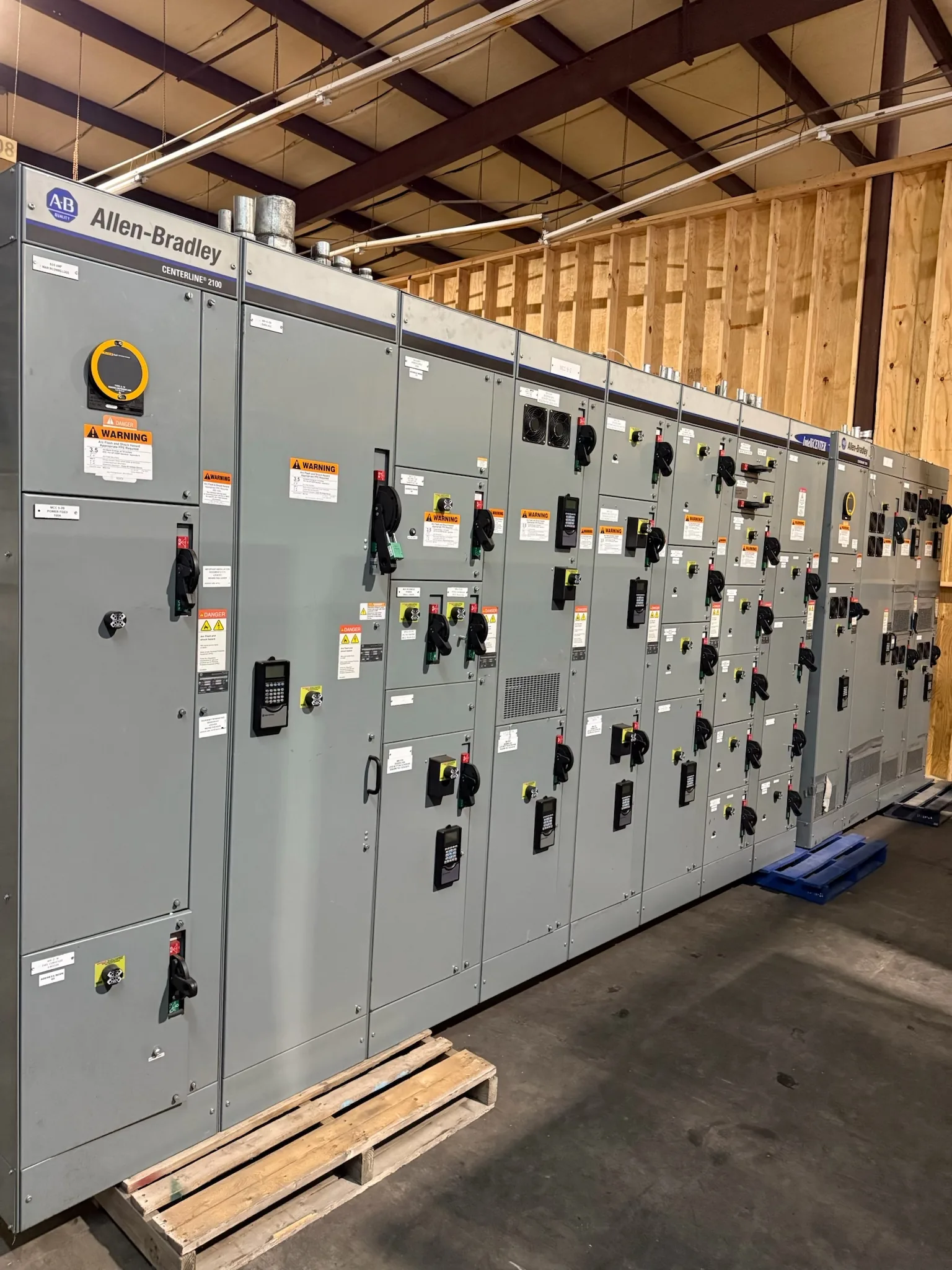
Power distribution, with purpose.
An arc flash is a release of energy caused by an electrical arc through air or another insulating medium. In switchgear, it can produce intense heat, light, pressure, and molten material, creating severe hazards for people nearby. Understanding the term helps owners connect hazard analysis and safe work practices with equipment design, operating conditions, and useful documentation.
What an arc flash is—and is not
An arc flash occurs when electrical current travels through an unintended path, such as between energized conductors or from a conductor to grounded metal. The arc heats surrounding air and materials rapidly; the resulting incident energy at a worker’s location depends on the fault and on how long it continues. An arc flash is distinct from an electric shock, which results from current passing through a person’s body, although one event can present both hazards.
Arc-flash risk is not captured by the switchgear’s nominal voltage or interrupting rating alone. Those values describe important electrical characteristics, but they do not state the incident energy at a particular working distance. Available fault current, protective-device settings and clearing time, enclosure configuration, conductor arrangement, and the worker’s position all affect the analysis. Actual conditions and the study method must be reviewed by qualified professionals.
How hazard analysis informs decisions
An arc-flash hazard analysis estimates potential exposure for defined equipment and operating conditions. It commonly uses power-system information, including utility or upstream source data, transformer impedance, conductor lengths, protective-device characteristics, and the equipment’s configuration. Engineers assess relevant operating modes rather than assuming the system always has one fault-current level or one protective-device setting.
The results can inform equipment labels, boundaries, work planning, and selection of protective measures under applicable workplace safety rules and standards. Labels are not permission to perform a task, nor are they a substitute for training, procedures, or verifying equipment condition. A study becomes less dependable if field settings differ from documented settings, equipment has changed, or the system’s operating configuration was not represented.


Illustrative application: a low-voltage switchboard
Consider a hypothetical facility evaluating a new low-voltage switchboard for a service entrance. The engineer needs the upstream source information and transformer data to estimate available fault current, then considers the proposed main and feeder protective devices, their settings, and expected clearing behavior. A change in a breaker’s trip settings can affect clearing time and therefore the calculated exposure, so coordination and arc-flash objectives should be considered together.
The switchboard specification can support that work by identifying the intended system, bus arrangement, mains and feeders, protective-device types, and any required instrumentation or control interfaces. A manufacturer can build new equipment to an agreed design, but cannot establish site incident energy from a catalog description alone. Final analysis depends on the complete electrical system, installation conditions, verified device settings, and engineering review.
Common misunderstanding: an equipment rating is not an arc-flash result
A short-circuit current rating or interrupting rating addresses the equipment’s ability to withstand or interrupt specified fault conditions, subject to its design and application. It is not an incident-energy value and does not, by itself, determine the PPE or work precautions appropriate for a task. Similarly, a higher equipment rating does not automatically mean lower arc-flash exposure; the protective-device response and system details matter.
Standards references also need precise interpretation. UL 891 applies to low-voltage switchboards, not to medium-voltage switchgear generally, and a standard reference should not be presented as an arc-flash calculation or a promise that every project condition is covered. Applicable standards, ratings, short-circuit requirements, and any requested U.S.-origin conditions must be confirmed for the specific order and design.
Documentation and specification implications
For a useful quotation and design review, purchasers should provide the system nominal voltage and frequency, available fault-current information when known, source and transformer details, one-line diagram, bus and feeder requirements, protective-device preferences, and project-specific standards or documentation needs. Include relevant installation constraints and intended operating configurations. These inputs help distinguish equipment requirements from items that remain the responsibility of the system engineer or site team.
For Dallas–Fort Worth facilities as for projects elsewhere, the same engineering inputs matter; serving a region does not establish local site conditions or fault levels. The manufacturer builds and supplies new equipment, with custom configurations and American components available subject to the order’s requirements and component availability. Shorter lead time is a goal, not a guarantee. Confirm dimensions, interfaces, ratings, documentation scope, and schedule assumptions before release.
Related terms and how they connect
Available fault current is the current a source can deliver at a point under specified conditions. Protective-device clearing time is the interval needed for a breaker or fuse to interrupt a fault. Incident energy is an estimate of thermal energy exposure at a stated working distance, while an arc-flash boundary identifies a distance associated with a defined exposure criterion in the applicable analysis. These terms describe different parts of the hazard picture and should not be used interchangeably.
Short-circuit rating concerns equipment performance under specified fault conditions; selective coordination concerns how protective devices respond relative to one another. Both can influence design choices, but neither term alone answers whether a particular task is safe. A practical specification links equipment data to the system study and requires review when settings, sources, or equipment change. Qualified personnel should determine and implement safe work practices under applicable requirements.
Specifications & planning
Review the details that matter for your application. Final specifications and availability should be confirmed for your project.
| Evaluation factor | What to verify |
|---|---|
| System data | Nominal voltage, source, transformer, and available fault-current basis |
| Protective devices | Device types, settings, clearing characteristics, and coordination assumptions |
| Equipment scope | Bus configuration, mains, feeders, interfaces, and applicable standards |
| Study documentation | Operating modes, working-distance basis, labels, and engineering review scope |