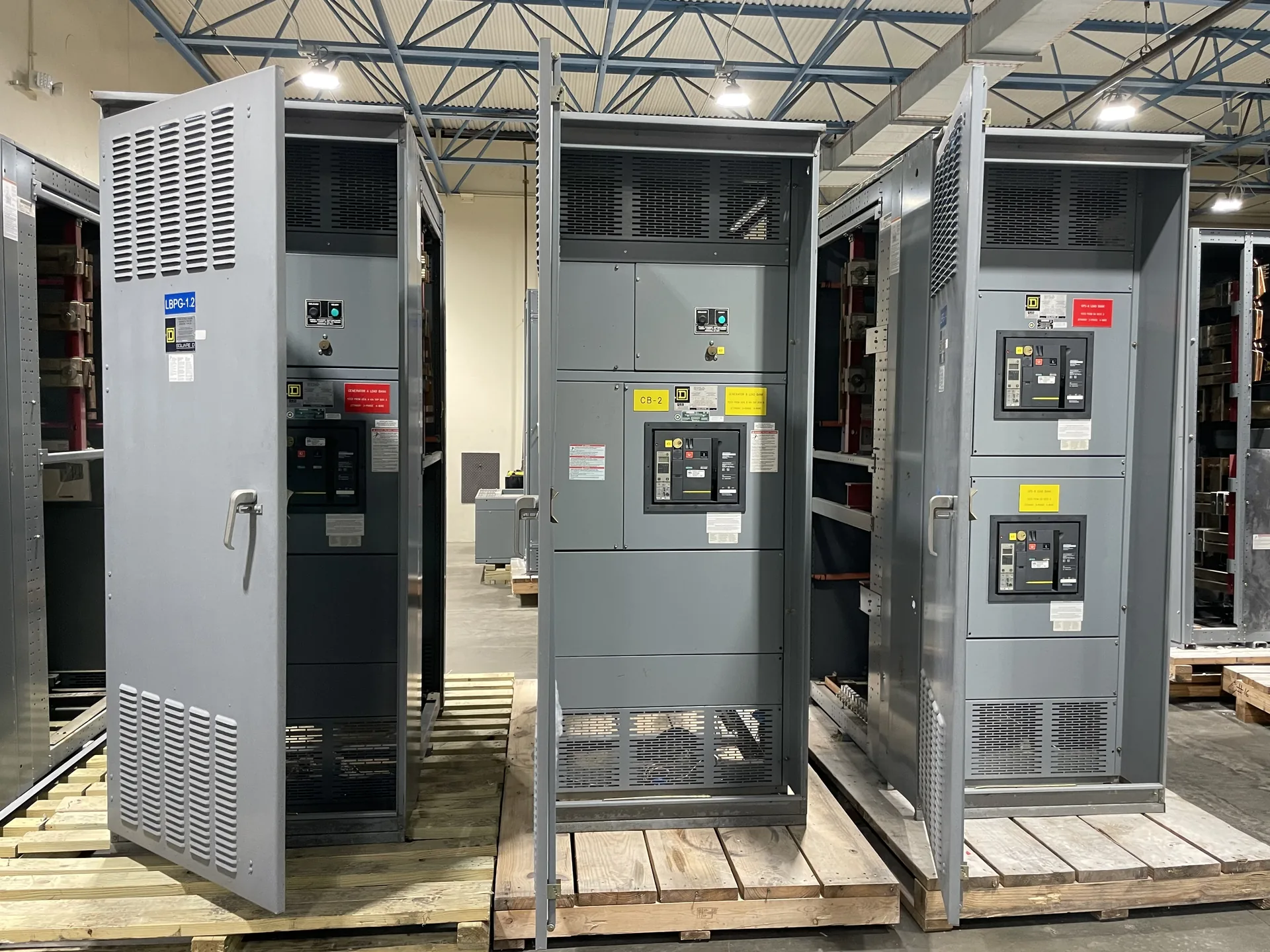
Power distribution, with purpose.
In switchgear, enclosure type identifies how an assembly is designed to address defined environmental exposures under a particular standard. It is a specification input—not a promise that equipment is safe in every setting, immune to damage, or suitable without regard to installation details.
What an enclosure type actually describes
An enclosure surrounds electrical components and helps control their exposure to conditions such as contact with hazardous parts, falling dirt, dripping water, or other specified environmental influences. A type designation communicates performance against criteria established by the applicable standard. It does not describe every construction detail, nor does it replace review of the assembly’s electrical ratings, installation instructions, and intended use.
The designation must be read in context. In North America, NEMA enclosure type designations are commonly used for switchgear, while other equipment or project specifications may reference different standards or rating systems. Similar-sounding labels are not automatically equivalent across standards. Confirm which standard and edition govern the project, and verify that the designation applies to the complete assembly and configuration being supplied.
Start with the actual exposure at the installation site
Selection begins with the environment where the gear will operate, not simply the building name or a broad label such as indoor or outdoor. Relevant conditions can include rain, windblown dust, washdown, condensation, corrosive agents, temperature extremes, and whether the enclosure is exposed or protected by another structure. Consider where water can collect or enter, how the room is ventilated, and whether maintenance or cleaning practices create additional exposure.
For a hypothetical facility near Dallas–Fort Worth, equipment in a conditioned electrical room has different exposure concerns from gear in an outdoor area subject to weather and airborne dust. Neither location alone determines the correct type. The purchaser should document the actual installation conditions, including any shelter, openings, nearby processes, and expected cleaning methods, so the manufacturer and project engineer can assess the specified protection against the real environment.


A designation is not a blanket safety guarantee
A frequent misunderstanding is to treat an enclosure type as a general safety rating. It does not establish that the switchgear is arc-resistant, touch-safe under every condition, suitable for hazardous classified locations, or protected against every contaminant or water exposure. Those properties require separate evaluation and, where applicable, separate standards, equipment features, and project documentation.
Enclosure performance also depends on how the assembly is installed and maintained. Conduit entries, cable openings, doors, gaskets, drains, field modifications, and interfaces with adjacent equipment can affect the completed installation. A rating should not be assumed to survive an unreviewed field change or damaged sealing surface. Follow approved drawings and manufacturer instructions, and have qualified personnel evaluate changes rather than relying on the enclosure label alone.
Check openings, interfaces, and service access
The enclosure is only one part of a switchgear installation. Incoming and outgoing conductors, bus connections, control wiring, ventilation paths, and connections to transformers or other equipment all create coordination points. Review where these interfaces occur and whether their arrangement is compatible with the enclosure’s intended environmental protection. Required access for operation, inspection, and maintenance should also be considered without compromising the specified construction.
Tradeoffs may arise between environmental protection, heat removal, footprint, cable routing, and access. A more restrictive enclosure can affect ventilation or require a different arrangement, while a room or canopy may reduce direct exposure without resolving condensation or washdown concerns. Ask the design team to consider the entire installed arrangement, including barriers and penetrations, rather than selecting a type from a short equipment description.
Make the specification and records unambiguous
A useful procurement specification states the governing enclosure standard and requested type, the installation environment, and any project-specific exposure that the standard designation may not fully capture. It should identify the equipment covered, relevant compartments, cable-entry locations, and expected interfaces. Drawings and submittals should make the enclosure configuration visible enough for review; a type label by itself does not resolve a mismatch between the order and the site.
For a quote on new switchgear, provide the one-line diagram, system nominal voltage, required continuous-current and short-circuit ratings, indoor or outdoor location, specified enclosure standard and type, cable-entry and termination requirements, and any unusual environmental conditions. Also identify applicable project standards and US-origin requirements. Ratings, component availability, standards, and origin requirements must be confirmed for the specific order. UL 891 may apply to low-voltage switchboard assemblies when appropriate; it is not a general enclosure designation or a standard for medium-voltage gear.
Related terms and practical selection
“Enclosure” means the housing around equipment; “enclosure type” names performance against defined exposure criteria. “Ingress protection” or an IP code belongs to a separate rating framework, so a purchaser should not infer an exact cross-standard equivalent without an engineering basis. “Indoor” and “outdoor” describe broad installation contexts, not complete environmental requirements. Keeping these terms distinct helps prevent a short-form specification from implying protections it never defined.
A manufacturer can use the purchaser’s site and interface information to develop a suitable new assembly configuration, subject to engineering review and confirmed component availability. Custom builds using American components and shorter lead time as a goal may be relevant to procurement planning, but neither a particular enclosure configuration nor delivery timing should be assumed before order review. The final selection should reconcile the specified type, equipment ratings, installation details, applicable standards, and approved documentation.
Specifications & planning
Review the details that matter for your application. Final specifications and availability should be confirmed for your project.
| Evaluation factor | What to confirm |
|---|---|
| Governing designation | Applicable enclosure standard, edition, and requested type |
| Site exposure | Weather, dust, moisture, cleaning, corrosion, and temperature conditions |
| Interfaces | Cable entries, penetrations, ventilation, adjacent equipment, and access |
| Project records | Drawings, submittals, equipment scope, and required standards |