Power distribution, with purpose.
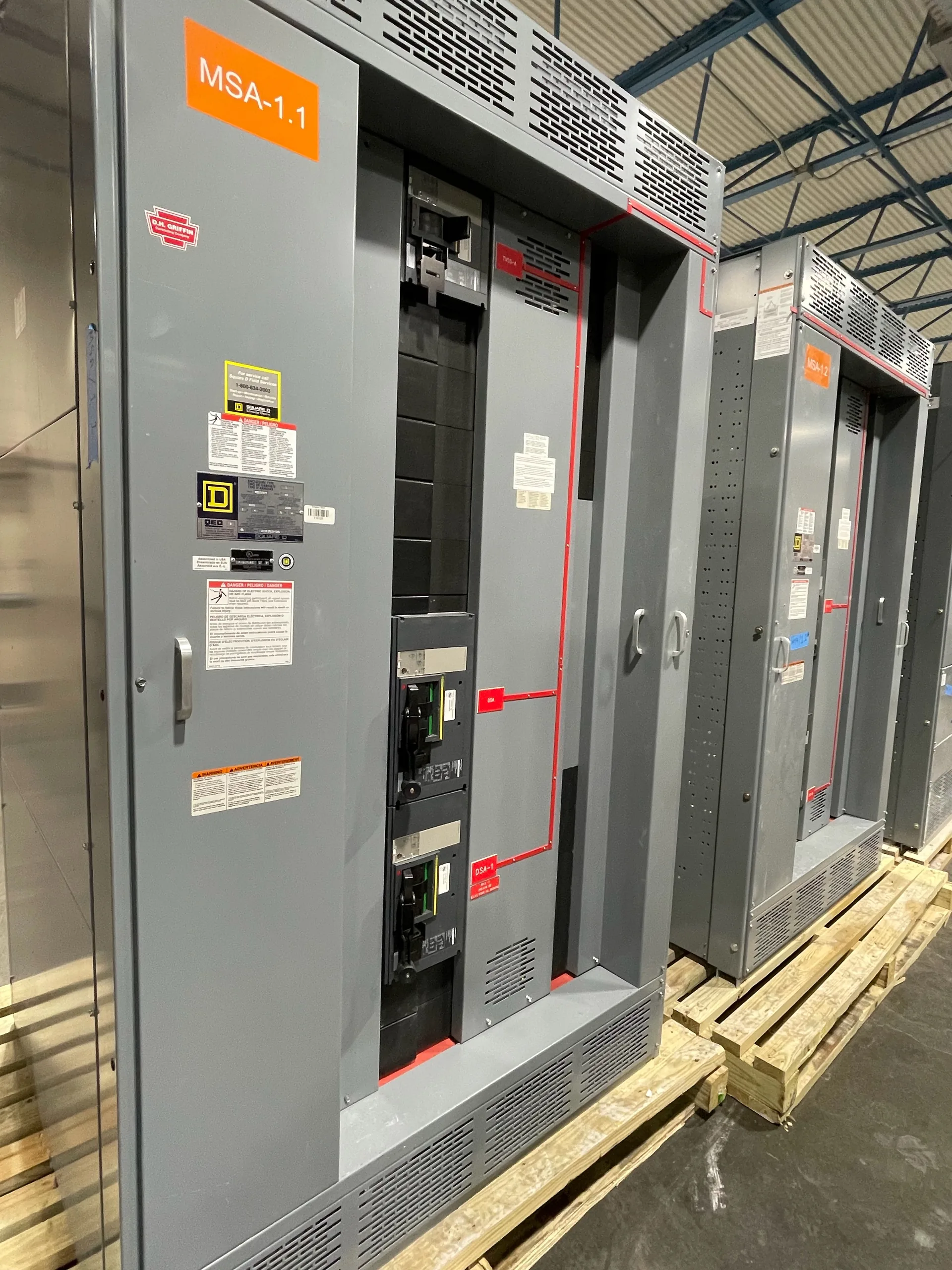
Metal-enclosed switchgear is a broad term for electrical switching equipment housed within a metal enclosure. The phrase describes an enclosure-based family, not one fixed internal design: the assembly may use different switching, protective, metering, and control devices according to its voltage class and application. Understanding that distinction helps specifiers compare proposals without assuming that every metal enclosure provides the same compartmentation, isolation, or maintenance features.
What the term describes—and what it does not
The enclosure provides a grounded metal housing for electrical components and their connections. Depending on the design, the assembly may contain circuit breakers, switches, fuses, bus, instrument transformers, relays, meters, or control devices. Its layout and protective functions are determined by the equipment design and specification, rather than by the words metal-enclosed alone. The term can apply in different voltage contexts, so a description should identify the intended system and equipment ratings.
Metal-enclosed does not, by itself, state how components are separated, whether a switching device is removable, what access controls are provided, or what fault withstand capability applies. Those characteristics need to be established from the applicable standards, construction details, and order documentation. A nameplate, outline drawing, and arrangement drawings provide more useful evidence than a short product label when evaluating a particular assembly.
How metal-clad equipment is different
Metal-clad switchgear is a more specifically defined form of metal-enclosed equipment. In the commonly used medium-voltage context, its design includes features such as grounded metal barriers that separate major compartments and a removable circuit breaker, with defined provisions for disconnecting and isolating it. These construction distinctions matter for access, maintenance planning, and the consequences of a fault within a compartment. The exact requirements depend on the applicable standard and the specified equipment.
The terms should not be treated as interchangeable shorthand. A metal-enclosed assembly may use a different internal arrangement or switching device and may not meet the construction criteria associated with metal-clad equipment. When a specification requires metal-clad gear, a bidder should identify the standard and construction expectations, not merely promise a metal housing. Conversely, requesting metal-clad design where the application does not require it may constrain layout or cost without resolving the system’s actual protection and operating needs.


Choose by system function and operating conditions
Selection begins with the electrical function: incoming service, transformer primary switching, feeder protection, tie operation, or another role. The system’s nominal voltage is not the same as the equipment’s maximum voltage rating, and the specified equipment class must suit the system and its insulation requirements. The design also needs appropriate continuous-current and short-circuit ratings, based on the system study and available fault current. No rating should be inferred from the enclosure term or from a nominal voltage alone.
Operating conditions affect the enclosure and internal arrangement. Indoor or outdoor installation, ambient temperature, altitude, contamination, moisture, access space, cable entry, and grounding all influence selection. The owner should also consider how operators will identify device positions, use interlocks, access controls, and maintain components. These are design inputs, not incidental details: a configuration that fits a one-line diagram may still be unsuitable if cable clearances, service access, environmental conditions, or operating procedures have not been addressed.
Illustrative application: transformer primary switching
Consider a hypothetical facility receiving power at medium voltage and supplying a transformer that feeds a low-voltage distribution system. A metal-enclosed lineup could house the incoming connection, switching or interrupting device, protective elements, and metering or control components required by the design. The appropriate arrangement depends on the utility interface, transformer requirements, protection study, and whether the operating scheme needs a feeder breaker, fused switch, or another device. This example describes a possible application, not a completed project or a prescribed design.
The interface deserves particular attention. The specification should define which party supplies and terminates the incoming cables, the required cable space and entry direction, grounding connections, control-power source, and any signals exchanged with the transformer or supervisory system. The transformer’s primary protection and downstream coordination must be reviewed together. A metal enclosure does not establish those interfaces or prove that the protective scheme is coordinated; the drawings, device data, and engineering review must do so.
Ratings, standards, and documentation to verify
A purchaser should request documents that let reviewers confirm the proposed construction against the project specification. Relevant information can include a one-line diagram, general arrangement, compartment or device details, nameplate data, component schedules, wiring diagrams, and applicable test or standards documentation. Required interrupting and short-time withstand capabilities, bus ratings, protective-device data, and control voltage should be stated for the specific order. The applicable standard and any required certification or listing must be confirmed rather than assumed from the product family name.
UL 891 applies to low-voltage switchboards; it is not a general listing for medium-voltage switchgear. Medium-voltage classes such as 5 kV, 15 kV, 27 kV, and 35 kV are not UL 891 categories. For any proposed assembly, confirm its voltage class, equipment maximum rating, short-circuit capability, applicable standards, component availability, and documentation with the manufacturer and project engineer. Requirements for U.S.-origin components or domestic content should also be stated explicitly and verified for the actual bill of materials.
What to provide when requesting a new assembly
For a useful quotation, provide the latest one-line diagram, system nominal voltage and grounding method, available fault-current information, required continuous and short-circuit ratings, device functions, and the applicable specification. Include indoor or outdoor conditions, ambient limits, cable sizes and entry locations, bus connections, control and metering needs, and relevant interface drawings. State whether metal-clad construction is specifically required or whether another metal-enclosed arrangement is acceptable, and identify standards, documentation, and U.S.-origin requirements.
A manufacturer building new custom equipment can review those inputs, identify open questions, and develop a configuration for engineering review. American components may be considered when specified and available, while shorter lead time can be a goal rather than a guarantee. Customers in Dallas–Fort Worth and elsewhere should confirm project-specific ratings, component availability, standards, schedule, and origin requirements before release. Clear requirements reduce avoidable drawing revisions and help ensure that the delivered assembly matches the intended electrical and physical interfaces.
Specifications & planning
Review the details that matter for your application. Final specifications and availability should be confirmed for your project.
| Evaluation factor | What to define |
|---|---|
| Equipment identity | Metal-enclosed arrangement or specifically required metal-clad construction |
| Electrical duty | System nominal voltage, equipment maximum rating, continuous current, and fault-duty basis |
| Installation and interfaces | Indoor or outdoor conditions, cable entry, grounding, control power, and connection responsibilities |
| Verification | Applicable standards, drawings, component data, and any U.S.-origin requirements; confirm for the specific order |