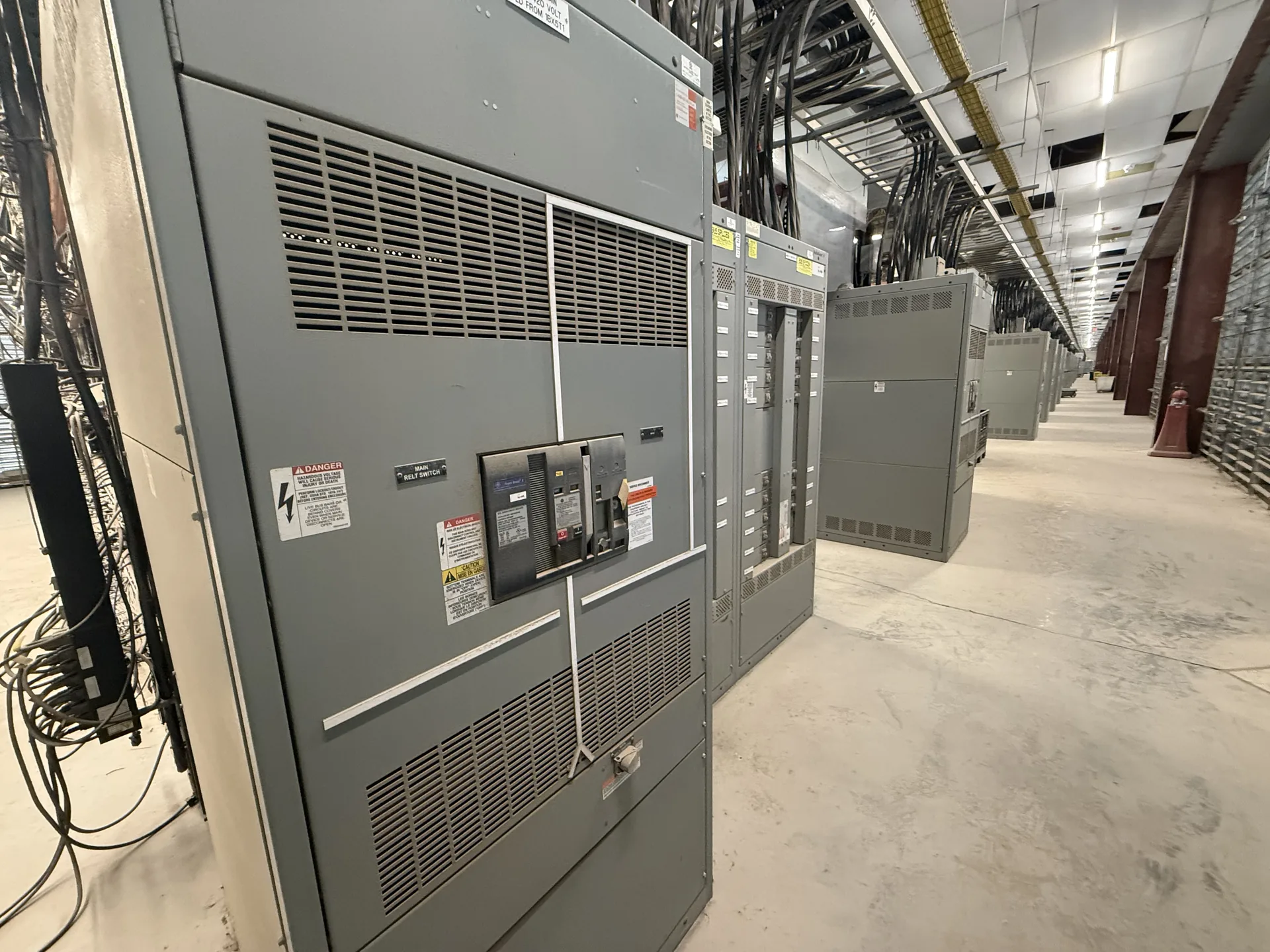
Power distribution, with purpose.
Receiving switchgear is a handoff between transportation, site logistics, and the project team—not a substitute for commissioning or electrical inspection. A deliberate receiving plan helps identify missing pieces and visible shipping damage while packaging, labels, and records are still available. Before delivery, assign responsibility for the checks, confirm the carrier’s documentation process, and establish where equipment can be staged without compromising its preservation.
Prepare the receiving plan before dispatch
Start with the purchase order, approved submittal information, shipping schedule, and site receiving constraints. Confirm the delivery location and access route, unloading responsibility, available handling equipment, receiving hours, and a safe staging area. These details affect packaging and shipment planning: a large, heavy assembly may require different unloading arrangements from separately crated sections or accessory cartons. Do not assume a carrier, crane, forklift, or field labor is included; settle responsibilities in writing before shipment.
For a quote or shipment plan, the purchaser should provide the requested equipment scope, destination and delivery restrictions, required delivery window, unloading arrangements, and project-specific packaging, marking, and documentation requirements. Include relevant purchase-order references and the contacts authorized to receive or report a discrepancy. Dallas–Fort Worth customers should share site access and scheduling constraints just as customers elsewhere should; service to a region does not establish a local factory, installation service, or particular delivery arrangement.
Reconcile the shipment against its records
At arrival, compare the carrier’s bill of lading and packing information with the purchase order and the manufacturer’s shipment documents. Check the number of skids, crates, or packages, then reconcile package labels and equipment identification against the shipment schedule. Assemblies may ship in multiple sections or separate accessory packages, so a count that differs from the main equipment quantity does not by itself prove a shortage. Record what is physically present and identify anything still expected before closing the receiving record.
The useful output is a dated receiving log that connects each package or assembly section to its label, condition, and reported contents. If a packing list identifies parts not readily visible without opening protected packaging, record that reconciliation as pending rather than declaring the shipment complete. Clarify discrepancies promptly with the responsible project and shipping contacts. The agreed reconciliation method should account for project-specific split shipments, replacement items, and documents that travel separately, rather than treating a generic package count as definitive.


Inspect visible condition without disturbing protection
Before moving or opening a package, photograph its overall condition, shipping labels, seals, and any visible impact, puncture, water exposure, tilt indicator, or displaced protective material. Capture close views as well as a wider view that shows which crate or section the damage concerns. Note whether the package was upright and secured when found, and preserve labels and indicators that may help establish handling history. A clean exterior is not proof that internal components are undamaged, but visible evidence can guide the next inspection decision.
Follow the shipment documents and project instructions for unpacking and preservation. Do not remove barriers, desiccants, protective covers, or bracing simply to make a more complete inspection if doing so could expose equipment to moisture, dust, or handling damage. If opening is authorized, use qualified personnel and the specified method, document the condition as packaging is removed, and stop if damage or an unsafe condition becomes apparent. Any internal inspection must remain within its approved scope; receiving checks do not authorize energized work or replace manufacturer instructions.
Document damage and preserve evidence
If loss or damage is visible, make a prompt, specific record before the shipment is moved further or the packaging is discarded. Photograph the affected area, package markings, freight paperwork, and the equipment label where safely accessible. Describe observable facts—such as a crushed corner, torn wrap, or wet exterior—rather than assuming a cause or declaring concealed damage without inspection. Note the date and time, delivery condition, carrier notation, people present, and actions taken to protect the equipment.
Follow the carrier’s and purchaser’s procedures for noting exceptions, reporting a claim, and retaining packaging. Avoid repairs, disposal, or extensive repacking until the responsible parties advise how evidence should be preserved. If the crate must be moved to prevent additional harm, document its condition and movement first when safe and practical. The project team should decide who owns claim submission and who authorizes inspection or repair; those responsibilities cannot be assumed to belong to the manufacturer or carrier.
Keep electrical boundaries and next steps clear
Receiving inspection is a visual and documentary process governed by the shipment plan, site rules, and equipment instructions. It does not establish that switchgear is electrically sound, ready for energization, or suitable for service. Do not open energized compartments or perform live checks as part of receipt. Any electrical examination, testing, or corrective work belongs to appropriately qualified personnel under the applicable safety program and approved project procedures, with equipment in the required safe condition.
After reconciliation, document open items such as shortages, suspected concealed damage, missing records, or preservation concerns, and assign an owner and next action. A practical closeout record can include the receiving log, photographs, carrier exceptions, package-to-equipment cross-reference, and unresolved items for engineering or project review. If a shipment is affected, seek direction before installation or use. For custom new equipment, packaging, split-shipment identification, and receiving-document expectations should be agreed during order review; ratings, components, standards, and applicable UL 891 scope are confirmed for the specific assembly and order, not inferred from a receiving inspection.
Specifications & planning
Review the details that matter for your application. Final specifications and availability should be confirmed for your project.
| Evaluation factor | What to verify |
|---|---|
| Shipment identity | Compare package labels and equipment identifiers with the project documents. |
| Visible condition | Record packaging condition, indicators, and observable damage before handling further. |
| Shipment completeness | Reconcile packages and listed contents; flag split shipments or pending items. |
| Evidence retention | Confirm who records exceptions, retains packaging, and manages claim procedures. |