Power distribution, with purpose.
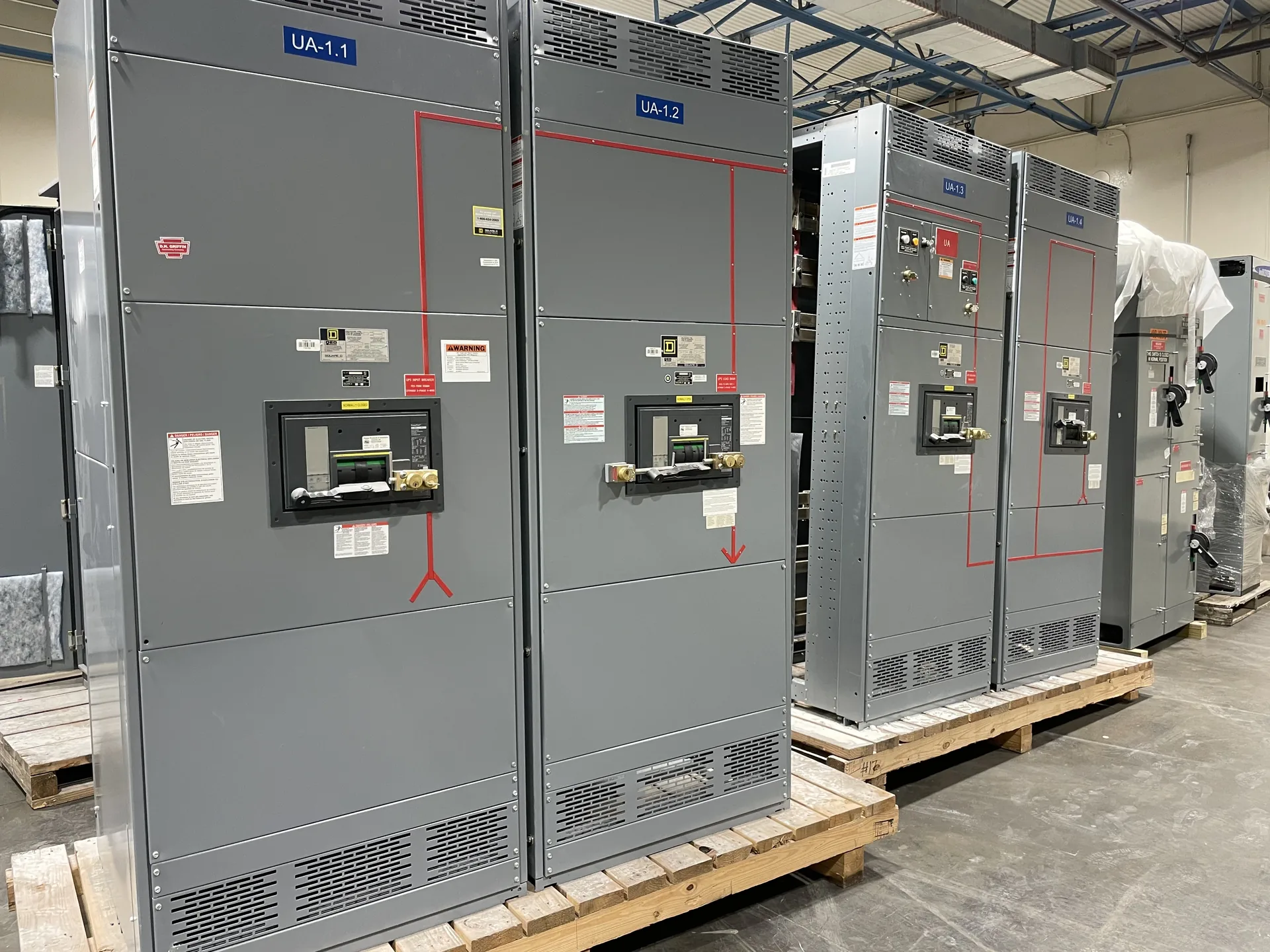
Switchgear may need to wait at the job site or in a separate storage area before installation, and that interval can affect the condition of insulation, metalwork, controls, and accessories. The storage plan should follow the equipment manufacturer’s instructions and the project’s environmental requirements—not a generic rule about how long gear can sit. Before shipment, purchaser and manufacturer should align on the destination, expected storage conditions, receiving inspection, preservation measures, and records needed to release the equipment for installation.
Set storage conditions from the equipment instructions
Begin with the specific equipment documentation. Required temperature and humidity limits, indoor or outdoor storage provisions, heater requirements, enclosure conditions, and inspection intervals can vary by design and configuration. Confirm whether the instructions address the complete assembly, separately shipped sections, and accessories such as control devices or protective relays. If the anticipated storage area falls outside stated limits, resolve that discrepancy with the manufacturer before shipping rather than assuming the equipment can be adapted later.
A dry, secure, clean indoor space is often easier to manage than an exposed location, but it is not automatically suitable. The area should protect the shipment from rain, standing water, dust, construction debris, impact, and unauthorized access while allowing any ventilation or preservation method specified by the manufacturer. The purchaser should identify the actual storage environment and duration as accurately as possible. For a Dallas–Fort Worth delivery, seasonal heat, humidity, storms, and changing site conditions are practical planning factors, not substitutes for equipment-specific limits.
Prevent condensation when temperatures change
Condensation can form when equipment or its surroundings change temperature and moisture reaches cool internal surfaces. A shipment moved from a hot, humid environment into a cooler space, or stored in a building with intermittent heating or air conditioning, may face different moisture conditions from those expected in a stable, conditioned room. The storage plan should therefore address the likely temperature and humidity swings, the enclosure and packaging state, and any manufacturer-directed use of space heaters, desiccants, or other preservation measures. Do not add, remove, energize, or modify preservation devices without the applicable instructions and qualified personnel.
Packaging that protects against transport damage may not be intended to remain sealed indefinitely or to control humidity throughout extended storage. Conversely, opening protective wrapping too early can expose equipment to dust or moisture. Confirm which packaging should remain intact, when it may be opened, and whether any periodic checks or replenishment are required. If the expected storage period changes, or the site cannot maintain the assumed conditions, document the change and obtain direction before treating the original preservation plan as still valid.


Coordinate receiving, placement, and site readiness
Before dispatch, establish who will receive the shipment, where it can be unloaded, and whether the intended storage location is ready. The purchaser should provide the delivery address, receiving hours, unloading constraints, access limits, storage location, anticipated time before installation, and any known environmental limitations. Confirm shipment configuration and handling requirements against the shipping documents and approved drawings. Storage planning does not replace rigging, lifting, or handling instructions; those must be followed by appropriately qualified personnel using the specified equipment and methods.
There is a tradeoff between delivering early to secure schedule flexibility and delivering closer to installation to reduce storage exposure and handling. Early delivery may be necessary where site sequencing demands it, but it can create additional movement, security, environmental-control, and inspection responsibilities. Coordinate the receiving party, storage owner, contractor, and electrical team so that responsibility for protecting the equipment is clear. If the site is not ready to accept or store the assembly under the required conditions, flag that constraint during quotation and scheduling discussions rather than relying on an undocumented assumption.
Record condition and preserve traceable documentation
Receiving records can help distinguish shipment damage from later storage issues. A project-specific record may identify the equipment and shipping marks, arrival date, visible packaging condition, photographs, any apparent damage or moisture, and the person who received the shipment. Preserve bills of lading, packing information, approved drawings, and the applicable storage and preservation instructions together. If damage, water exposure, missing items, or a breached package is observed, document it promptly and follow the carrier, purchaser, and manufacturer’s notification process; do not conceal, discard, or repair evidence before responsibilities are established.
For storage extending beyond the initial receiving period, the project may need dated inspection entries that capture relevant environmental readings, enclosure or packaging condition, and the status of manufacturer-directed preservation measures. The manufacturer should confirm what checks are required and who is authorized to perform them. Keep records factual and avoid claiming that visual inspection alone verifies electrical condition or fitness for service. Any inspection, testing, or corrective action beyond the supplied instructions requires appropriate review and qualified personnel.
Define quotation inputs and the manufacturer’s scope
To request a new switchgear quotation with storage planning considered, provide the one-line diagram or equipment description, system nominal voltage, required equipment ratings, available fault-current information, requested short-circuit rating, service conditions, control and metering requirements, and applicable project specifications. Also supply the delivery destination, preferred delivery window, expected storage duration, known temperature or moisture concerns, whether storage is indoors, and any required receiving or inspection records. These details help identify questions that could affect configuration, packaging, shipping coordination, and the proposed documentation; ratings and component availability still require confirmation for the specific order.
A manufacturer can review the information supplied, identify storage-related questions, and clarify what documentation or packaging arrangements can be included in a proposed scope, subject to validation of actual capabilities and project requirements. Do not assume that long-term warehousing, climate-controlled storage, periodic site inspections, installation, or field preservation work is included unless expressly confirmed in writing. For low-voltage switchboards, UL 891 may apply to an assembly when confirmed for the particular order; it is not a general standard for medium-voltage gear. Any applicable standards, American-component or U.S.-origin requirements, and equipment ratings must be reviewed for the project rather than inferred from a general product description.
Specifications & planning
Review the details that matter for your application. Final specifications and availability should be confirmed for your project.
| Evaluation factor | Information to confirm |
|---|---|
| Storage environment | Indoor or outdoor location, moisture exposure, temperature and humidity conditions |
| Storage interval | Expected time from delivery to installation and any schedule uncertainty |
| Preservation plan | Applicable manufacturer instructions for packaging, heaters, desiccants, and checks |
| Receiving documentation | Shipment condition records, photographs, inspection responsibility, and notification process |