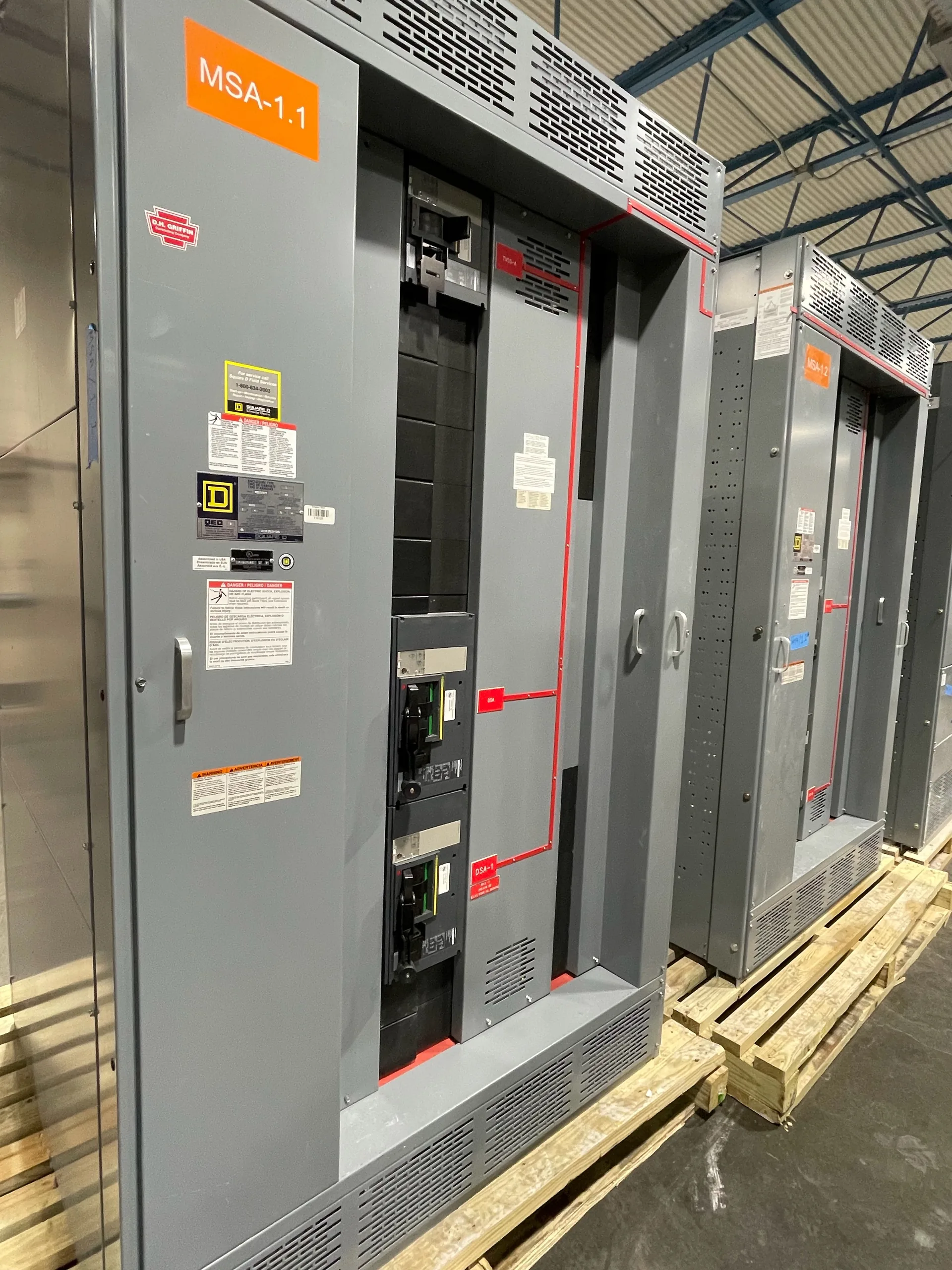
Power distribution, with purpose.
A production nonconformance is a discovered difference between switchgear work and an approved requirement, drawing, or acceptance criterion. Managing it well means stopping the issue from traveling downstream, deciding what correction is acceptable, and preserving evidence that the final assembly meets the approved basis. The workflow below is an example for planning and evaluation, not a claim about a particular manufacturer’s facility or current procedures.
Define the requirement before judging the defect
A finding is meaningful only when it can be compared with a controlled reference. That reference may be a customer specification, approved submittal drawing, bill of material, wiring diagram, component instruction, purchase order note, or an applicable acceptance criterion. The reviewer should identify the exact revision and requirement, then describe the observed condition in measurable terms. “Wrong breaker” is not enough; the record should identify the specified and installed catalog or frame details, as applicable.
Inputs matter because project documents can conflict or change during production. The team needs the latest approved drawings, authorized deviations, customer clarifications, and the scope boundaries for supplied equipment and interfaces. A switchboard rating, interrupting or short-circuit rating, bus arrangement, enclosure detail, and control interface can each have different governing documents. Nominal system voltage is not the same as equipment maximum rating, so the discrepancy must be evaluated against the specified system and equipment ratings rather than an informal label.
Identify, document, and contain the condition
Detection can occur during receiving inspection, fabrication, assembly, wiring checks, or factory testing. A useful initial record captures the equipment identification, work order or project reference, assembly section, date, inspector, applicable document revision, and clear evidence of the condition. Photographs and measurements can help, but they should supplement—not replace—a precise written description. If the discrepancy could affect adjacent sections, wiring, components, or test results, the scope of the review should be made explicit.
Containment prevents suspect work from being mistaken for accepted work. Depending on the finding, a planned process may identify and physically segregate affected material, pause a task, protect the assembly from further modification, and notify the responsible quality and engineering reviewers. The decision should account for safety, traceability, and schedule without treating schedule pressure as technical approval. For a Dallas–Fort Worth buyer coordinating delivery, early notice of a potentially shipment-affecting issue can support planning, but it does not establish that a specific production or notification process is already in place.
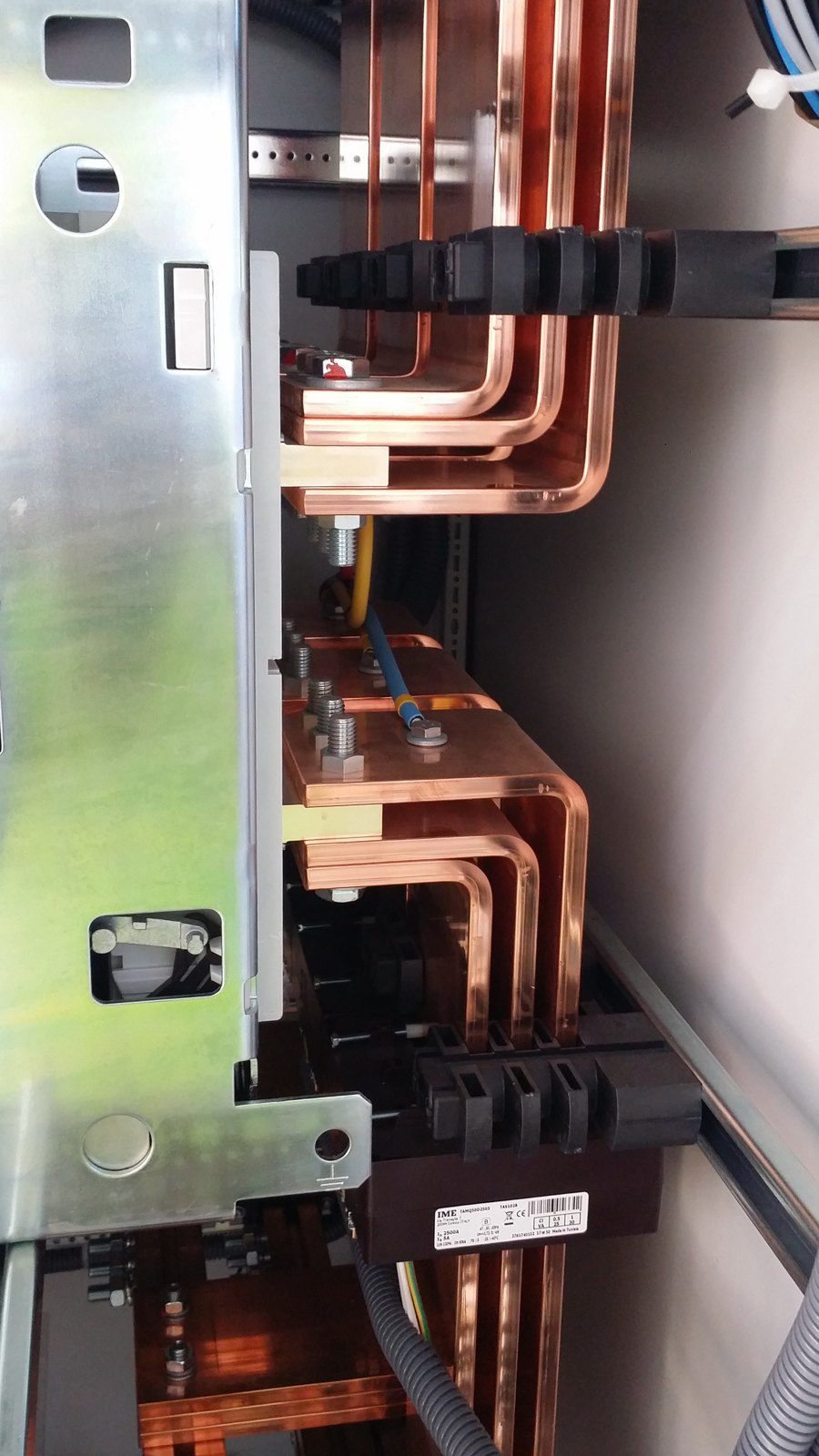

Choose disposition with engineering and customer inputs
Disposition defines what happens next. Common options for evaluation include rework to the approved design, repair under an authorized technical instruction, acceptance as-is through an approved deviation, or rejection and replacement. The choice depends on function, fit, clearances, electrical ratings, fault-duty capability, insulation and grounding requirements, maintainability, and any effect on adjacent circuits or sections. A change that appears cosmetic may still affect enclosure integrity or access, while a component substitution can alter coordination, interface, or documented ratings.
The decision requires the applicable specification, drawings, component data, test evidence, and a clear account of downstream effects. Customer or engineer-of-record approval may be required by the contract or project quality plan; internal approval alone should not be presented as customer authorization. Tradeoffs should be recorded rather than hidden: rework can add inspection and test needs, replacement can affect schedule, and an as-is concession can alter the design basis or future maintenance. Any proposed resolution remains subject to engineering review and the approvals required for that order.
Control rework and verify the corrected assembly
A rework instruction should identify the affected location, approved method, responsible authorization, and the documents or components that must be updated. It should also state whether work elsewhere must be protected or repeated. For example, changing a control wire may require checking terminal identification and the related schematic; replacing a device may require confirming mounting, connections, and applicable functional checks. The exact verification is determined by the nature of the issue and the agreed test plan, not by a universal checklist.
Reinspection should confirm both that the correction was completed and that it did not create a new discrepancy. The inspector should compare the result with the approved disposition and current documents, record the method and outcome, and route any remaining concern for review rather than closing it by assumption. If the finding affects factory acceptance testing, the test scope or result may need reassessment under project requirements. Testing should be performed by qualified personnel using approved methods; this page does not provide instructions for energized work.
Close the record and preserve configuration
A complete closeout links the original finding to its disposition, approvals, rework evidence, reinspection, and final status. Depending on the approved resolution, outputs may include a revised drawing, redline, updated bill of material, deviation record, inspection report, or test record. Revision control is essential: the delivered documentation should describe the configuration actually accepted, not an earlier design or an unapproved shop change. Open items, conditional approvals, and limits on the disposition should remain visible until resolved.
This traceability also helps purchasers review what changed and what was verified before shipment. Records should identify who reviewed or approved each decision and the basis used, while protecting controlled customer information. A manufacturer’s specific forms, retention practices, inspection resources, and customer-notification steps must be confirmed before they are represented as established capabilities. For custom-built equipment, agree in advance which quality records are required at quotation, submittal, inspection, and shipment stages.
Give the manufacturer a reviewable quote package
A useful request for quote supplies the one-line diagram, equipment schedule, project specification, system nominal voltage and required equipment ratings, available fault-current or short-circuit requirements, enclosure and environmental conditions, and the intended arrangement of incoming, feeder, and tie sections. Include control schematics, communication or remote-interface needs, preferred components where required, applicable standards, required US-origin provisions, inspection and test expectations, and delivery destination. Identify which documents are approved, preliminary, or still under review so engineering can distinguish firm requirements from open decisions.
Custom new equipment can be developed around project inputs and American components, with shorter lead time a goal rather than a guarantee. Availability, ratings, standards applicability, origin requirements, and schedule depend on the specific design and order and must be confirmed. UL 891 applies to low-voltage switchboards where relevant; it is not a general listing for medium-voltage equipment. Buyers should identify the required equipment class and contract language, then confirm the proposed configuration and documentation with the manufacturer before award.
Specifications & planning
Review the details that matter for your application. Final specifications and availability should be confirmed for your project.
| Evaluation factor | What to establish |
|---|---|
| Governing requirement | Document, revision, and specific acceptance criterion |
| Potential impact | Affected component, circuit, interface, rating, or test scope |
| Disposition authority | Required engineering, customer, or project approvals |
| Closeout evidence | Rework, reinspection, drawing, and test records required |