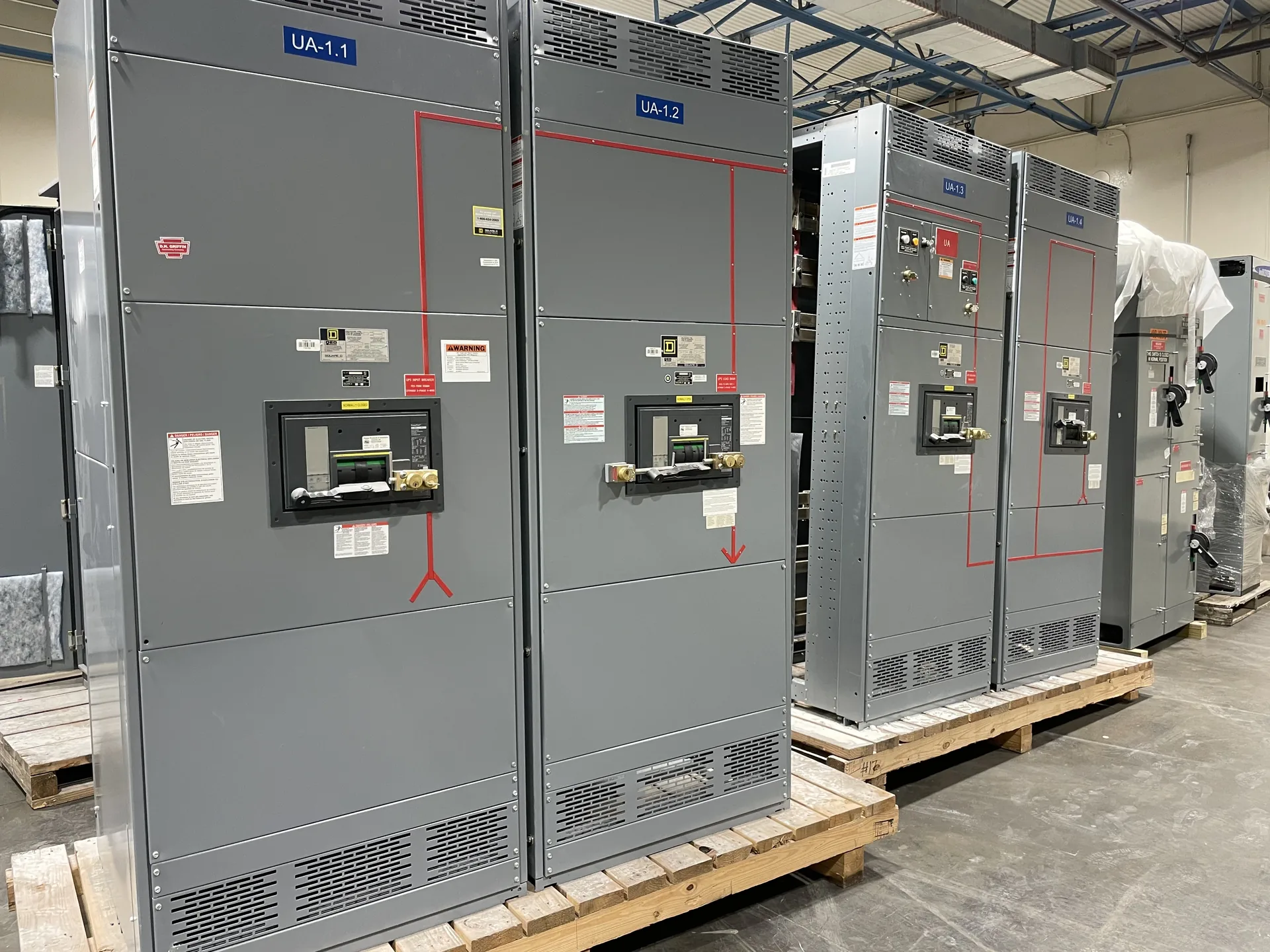
Power distribution, with purpose.
An outdoor switchgear enclosure designation is a useful starting point, not a complete promise of protection against every condition at a site. Selecting an appropriate design requires matching the enclosure and its details to the actual exposure, electrical equipment, access needs and project requirements. Ratings, available configurations and documentation should be confirmed for the specific order.
Read the designation as one part of the specification
In the United States, enclosure type designations commonly refer to defined environmental protection characteristics under applicable standards. A label can help a specifier compare designs, but it does not mean that an assembly is impervious to all water, dust, corrosion, condensation, ice, heat or physical damage. The precise meaning depends on the designation, the standard and the equipment configuration. Do not infer that one type designation automatically covers hazards addressed by a different rating system or by a project-specific requirement.
The enclosure is also only one part of the finished equipment. Doors, hinges, seams, latches, louvers, conduit entries, drains and field-installed accessories can affect environmental performance. Requirements may differ between the switchgear enclosure and separate devices or compartments. Identify the governing specification and applicable standards, then request manufacturer documentation that states the design basis and relevant limitations for the proposed assembly.
Assess the site rather than relying on a label
Describe where the gear will sit and what it will encounter over its service life. Relevant conditions can include direct rain, wind-driven water, blowing dust, irrigation, standing water, temperature extremes, sun exposure, airborne salts or chemicals, and exposure to snow or ice. Consider whether the equipment is beneath a canopy, near cooling towers, beside a washdown area or close to a vehicle route. A designation alone does not establish suitability for every combination of these conditions.
In Dallas–Fort Worth, as elsewhere, a site assessment should use the actual project location and installation details rather than a regional assumption. Ask whether the enclosure will be shaded, exposed, elevated above finished grade or subject to runoff. Confirm expected ambient temperatures and any project limits for solar loading or internal temperature rise. A more protective construction may help address one exposure while increasing cost, weight, access complexity or heat-management challenges.


Example: weigh exposure against serviceability
Consider a hypothetical facility specifying outdoor low-voltage switchgear on a concrete pad near a loading area. The owner expects rain and dust exposure, occasional hose cleaning nearby, and routine operator access. Before selecting an enclosure designation, the team should clarify whether water is sprayed directly at the gear, whether cleaning chemicals are used, how close vehicles pass, and whether the pad could collect runoff. These facts may point to different design details even if the specification begins with the same type label.
The team should balance environmental protection with safe, practical operation and maintenance. More elaborate sealing can affect ventilation, heat dissipation, door operation and the routing of cables or conduit. Protective barriers or a roof may reduce direct exposure but must not obstruct access or conflict with clearances. This is a representative design scenario only, not a claim about a completed project or a standard configuration; the manufacturer and project engineer should review the proposed solution.
Provide the information needed for a useful quote
A quote request should identify the equipment type and scope, system nominal voltage, phase and frequency, bus and feeder arrangement, ampacity, available fault current or required short-circuit rating, and control or metering needs. State whether the request is for a low-voltage switchboard or medium-voltage gear, since standards and applicable construction details differ. Include the required enclosure designation, governing specification, installation orientation, entry locations, cable approach and any restrictions on overall dimensions or access.
Also provide site exposure details, ambient conditions, cleaning practices, corrosion concerns, mounting information and any owner or authority requirements. Identify required submittals, drawings, test documentation and approval milestones. For a custom new-equipment build, these inputs help determine whether a requested design is feasible and what manufacturer documentation can be supplied. Component availability, ratings, standards applicability and any U.S.-origin requirements must be confirmed for the specific order; they should not be assumed from a general product description.
Coordinate interfaces and define approval boundaries
Enclosure decisions connect to civil, electrical and building scopes. Coordinate pad dimensions and elevations, anchorage, cable trenches, conduit locations, grounding and bonding, working clearances, access paths, drainage and any sunshade or weather canopy. Confirm how the enclosure interfaces with adjacent transformers, control equipment or building openings. Field modifications, unapproved penetrations or accessories can change the environmental design and may affect the manufacturer’s stated scope.
Request drawings and documentation appropriate to the order, such as general arrangement, outline dimensions, interface details and applicable product data. The project engineer, owner and authority having jurisdiction remain responsible for determining project requirements and approving the installation. The manufacturer can confirm the proposed equipment’s documented features and limitations, but a type designation does not replace site engineering, code review or installation instructions. UL 891 applies to low-voltage switchboards where applicable; it is not a general rating for medium-voltage switchgear.
Confirm the exact configuration before release
Before approving submittals, compare the specified enclosure designation with the offered configuration, including doors, ventilation, finish, entry provisions and accessories. Check that the documentation addresses the stated exposure and that any exclusions or assumptions are visible. If the specification calls for a particular standard, test evidence or material, confirm that it applies to the exact assembly rather than assuming that a similar model or component establishes compliance.
New outdoor switchgear can be custom built with American components where specified, and shorter lead time may be a goal; neither availability nor schedule is guaranteed without order-specific confirmation. Confirm ratings, components, construction details, documentation, standards and origin requirements before release. This keeps enclosure selection tied to the actual installation and avoids treating a single label as a substitute for a complete, reviewed equipment specification.
Specifications & planning
Review the details that matter for your application. Final specifications and availability should be confirmed for your project.
| Evaluation factor | Information to confirm |
|---|---|
| Exposure | Rain, dust, washdown, corrosion, temperature and site drainage |
| Designation | Applicable standard, required type and documented limitations |
| Interfaces | Pad, anchorage, cable entries, grounding, clearances and adjacent equipment |
| Order review | Exact configuration, ratings, documentation, availability and project approvals |