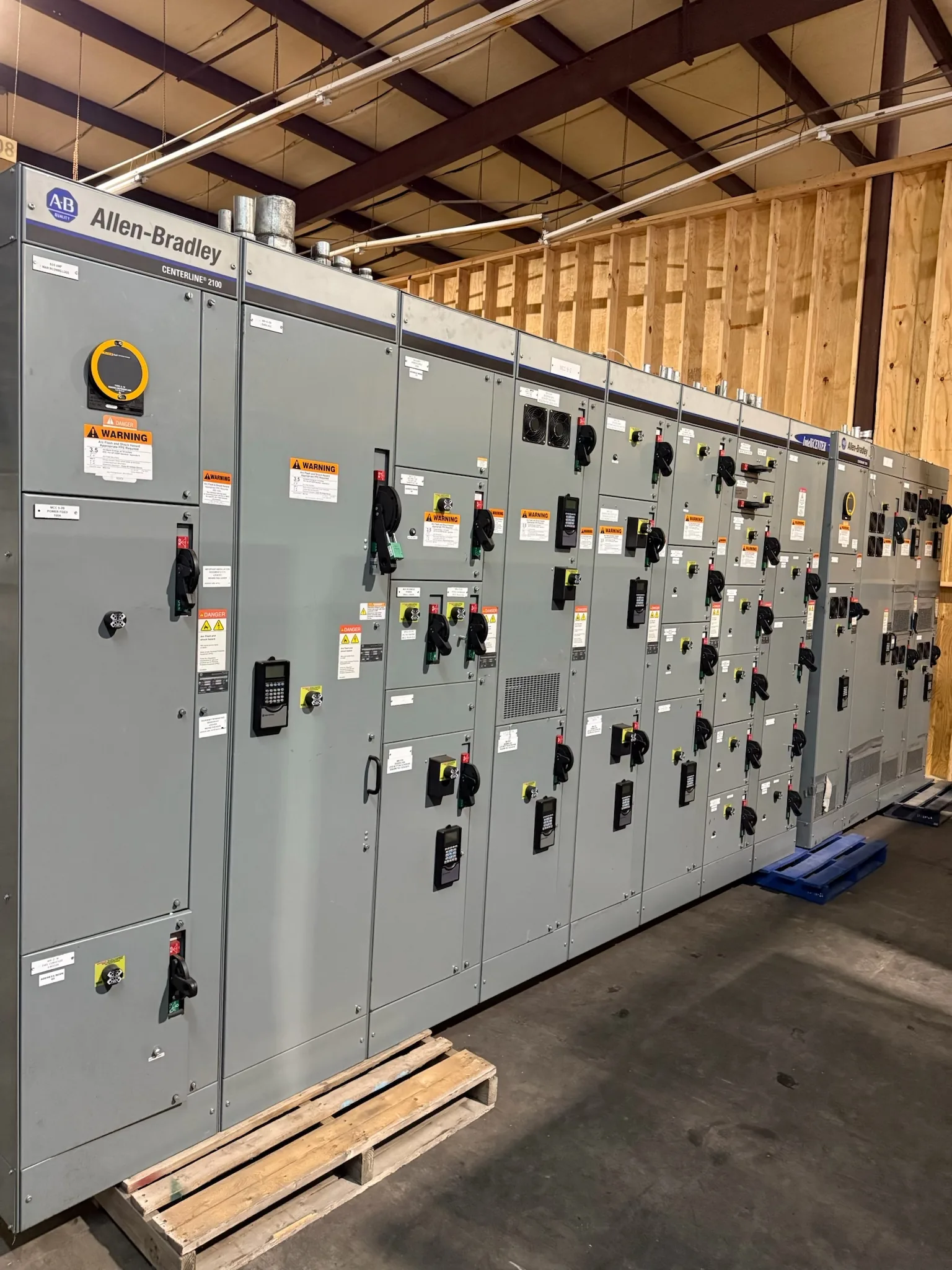
Power distribution, with purpose.
Choosing between a transformer-based and transformerless power distribution unit (PDU) is not simply a choice between lower and higher efficiency. The right design depends on the incoming and required output voltages, the role of isolation, grounding and bonding, available space, and how the PDU will coordinate with upstream and downstream equipment. Confirm the actual design and availability for each proposed unit; product names alone do not establish its electrical arrangement.
Start with voltage conversion and the reason for isolation
A transformer-based PDU contains a transformer that can change voltage and, depending on its winding configuration and system design, provide electrical isolation between input and output circuits. This can suit a facility receiving one voltage but needing another for connected loads. Isolation may also be a project requirement for a particular distribution arrangement, but it should not be treated as an automatic cure for electrical noise, grounding problems, or every power-quality concern. Identify the specific requirement the transformer is meant to meet.
A transformerless PDU does not use an internal transformer for that conversion or isolation function. It is generally appropriate when the incoming supply already matches the required output voltage and the distribution design does not call for transformer isolation within the PDU. Verify whether any other device in the system provides needed voltage conversion or isolation. Compare the PDU’s documented input, output, neutral, and grounding arrangement—not just a product label or a nominal voltage.
Compare efficiency, heat, and installation footprint
Transformer losses produce heat, so a transformer-based design may have greater operating losses and cooling demand than a comparable transformerless arrangement. The actual difference depends on transformer construction, loading, load profile, and the complete PDU design; avoid relying on a single generic efficiency figure. Ask for applicable performance data at the expected operating conditions, and consider where the heat will go in the electrical room or equipment row.
Removing the transformer can reduce weight and physical footprint, but the assembled dimensions and service clearances still depend on buswork, overcurrent devices, cable entry, and enclosure requirements. A transformer-based unit may be larger or heavier while delivering the needed voltage change in one assembly. Compare the complete installed arrangement, including ventilation, access, cable routing, floor loading where relevant, and any separate equipment that a transformerless option would require.


Treat grounding and protection as system interfaces
Grounding and bonding require particular care when a transformer creates a separately derived system. The design team must determine the neutral-to-ground bonding point, grounding-electrode connection where applicable, and treatment of the neutral downstream. Those choices affect fault-current paths and protective-device operation. A transformerless PDU generally continues the grounding and neutral arrangement established by its source, subject to the project design and applicable code requirements.
For either architecture, coordinate available fault current, interrupting and short-circuit ratings, overcurrent-device selections, and upstream and downstream protection. A transformer changes electrical characteristics, including the available secondary fault current, so do not assume the same settings or coordination approach used for a transformerless path will apply. The responsible electrical engineer should review the one-line diagram, grounding details, and protection study with the equipment design before approval.
Use a representative design scenario, not a product label
As a hypothetical example, a facility’s distribution source may not match the voltage required by a group of downstream loads. A transformer-based PDU could be considered if the project also needs a defined isolation boundary and the transformer’s capacity, configuration, and protection fit the load. If the source already matches the load voltage and the approved design does not require PDU-level isolation, a transformerless arrangement may avoid that conversion stage. Neither option is automatically preferable without reviewing the complete system.
The decision can change with load growth, diversity, harmonic-producing loads, available space, maintenance access, and whether the building distribution already includes a suitable transformer. For a Dallas–Fort Worth facility or a project elsewhere, the same engineering questions apply; regional delivery needs do not substitute for electrical requirements. This scenario is illustrative only, not a statement about a completed project or a particular product’s availability.
Provide quote inputs and define review boundaries
For a useful quote, provide the one-line diagram and identify source and required load voltages, phase and frequency, continuous and peak load, load characteristics, and expected future capacity. Include the requested isolation purpose, grounding and neutral arrangement, available fault-current information, protection and metering needs, cable entry and termination preferences, environmental conditions, and space constraints. Identify applicable project specifications, delivery destination, and any required standards or U.S.-origin criteria so those requirements can be checked for the specific order.
The manufacturer can evaluate a custom new-equipment build using American components, with shorter lead time as a goal rather than a guarantee. Confirm whether the requested PDU design and components are available, and verify ratings, construction, standards, and origin requirements before release. Engineering review and purchaser approval should resolve the one-line diagram, grounding, protective-device coordination, interfaces, and exceptions. Installation, field wiring, system studies, and site acceptance remain separate scopes unless expressly included in the approved project documents.
Specifications & planning
Review the details that matter for your application. Final specifications and availability should be confirmed for your project.
| Evaluation factor | Transformer-based PDU |
|---|---|
| Voltage relationship | May provide required voltage conversion; verify winding and output configuration |
| Isolation | May provide isolation through the transformer; confirm the intended system arrangement |
| Efficiency and heat | Account for transformer losses and resulting heat under expected loading |
| Grounding and coordination | Review separately derived system treatment and protection interfaces |