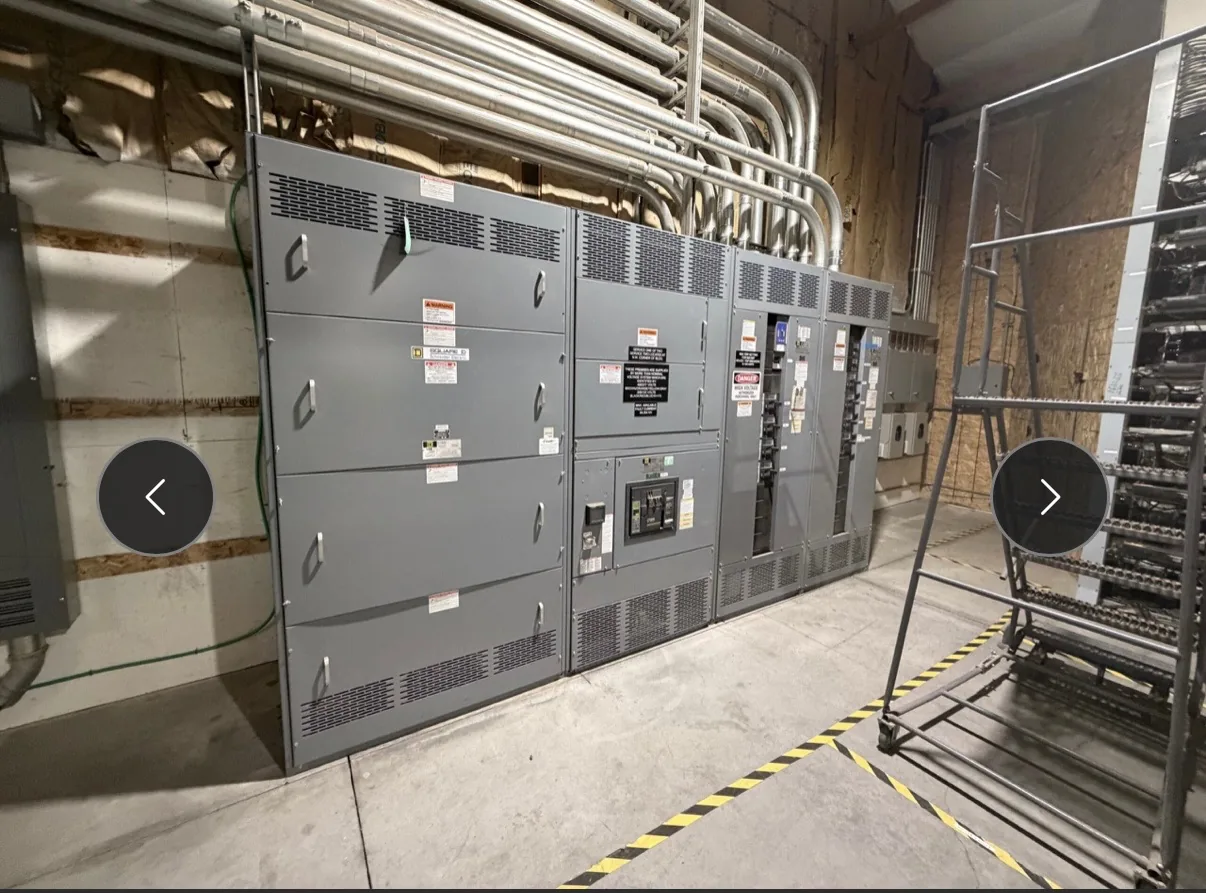
Power distribution, with purpose.
A 34.5 kV nominal system is not automatically a 34.5 kV equipment class. The distinction matters when specifying switchgear for a system whose operating voltage is 34.5 kV: the equipment must be selected and documented for the applicable system conditions, insulation stresses, and fault duty—not named by nominal voltage alone. A 38 kV class designation is often relevant to this application, but it is not a complete rating or a substitute for project-specific engineering review.
Separate the system voltage from the equipment class
Nominal voltage describes the system’s designated operating level; equipment class identifies the voltage range and insulation design for which the equipment is intended. A specification that says only “34.5 kV switchgear” can leave ambiguity about the required equipment maximum voltage, insulation levels, and applicable standards. A purchaser should state both the system nominal voltage and the equipment class or maximum-voltage requirement established by the responsible engineer.
The 38 kV class is commonly associated with 34.5 kV nominal applications, but that relationship does not establish that a particular assembly is suitable. Actual system grounding, operating conditions, switching duties, environmental conditions, and component ratings all affect selection. Confirm the required ratings and standards for the specific order rather than treating “38 kV class” as a blanket approval.
Specify insulation requirements, not just a class label
Insulation coordination addresses the voltage stresses equipment may experience in service, including power-frequency withstand and transient overvoltage considerations. The specification should identify the insulation levels required by the project and applicable standards, along with the system conditions that shape those requirements. The responsible engineer should review how the selected equipment interfaces with the system’s grounding method and protective devices.
Do not infer an assembly’s dielectric performance from nominal voltage or a product-family description. Request the applicable insulation ratings and supporting documentation for the proposed configuration, including any relevant clearances, bushings, terminations, and accessories. The selected components and their arrangement can affect the finished equipment, so documentation should correspond to the actual configuration being quoted and built.


Treat short-circuit duty as a separate selection check
Voltage class does not determine short-circuit capability. The project must establish available fault current at the equipment location and identify the required interrupting, withstand, and momentary capabilities for the applicable devices and assembly. These values are related but not interchangeable. A breaker’s interrupting rating, for example, does not by itself document the complete switchgear assembly’s ability to withstand fault forces.
Provide the utility or system study information used to establish fault duty, including the study assumptions and relevant future operating configurations where available. Ask for the proposed equipment’s short-circuit ratings and the documents that substantiate them for the specified arrangement. Final ratings, protective-device selection, and settings require review by the responsible engineer; an example or preliminary selection is not design authorization.
Resolve interfaces that can change the final selection
A 34.5 kV nominal system specification should also describe how the switchgear connects to the rest of the installation. Useful inputs include one-line diagrams, feeder and bus arrangements, cable or bus connections, grounding details, metering and protection needs, and the required control-power sources. Physical constraints such as indoor or outdoor installation, access, ambient conditions, and cable-entry direction can influence the configuration and component choices.
Confirm interface requirements with the transformer, cables, relaying, and upstream and downstream equipment specifications. A mismatch in termination details, control wiring, relay functions, or system grounding assumptions can create costly revisions even when the voltage-class label appears correct. Where requirements are unresolved, identify them as open design items instead of silently assuming a standard arrangement.
Prepare a quote package that supports a sound proposal
For a useful quote, provide the nominal system voltage and requested equipment class, the one-line diagram, available fault-current data, insulation requirements, and project-specific standards. Include the required continuous-current ratings, bus configuration, number and type of ways, protection and metering functions, environmental conditions, enclosure needs, and connection details. Identify any required U.S.-origin components or other sourcing conditions so they can be checked against the proposed bill of materials.
A manufacturer building new custom equipment can review those inputs, clarify gaps, and develop a configuration for engineering review. If the project is in Dallas–Fort Worth or elsewhere in the country, provide delivery destination and schedule requirements for planning; a shorter lead time may be a goal, not a guarantee. Component availability, final ratings, standards, and U.S.-origin requirements must be confirmed for the specific order.
Make documentation part of acceptance planning
Before approval, compare the proposal and drawings against the project’s voltage-class, insulation, and fault-duty requirements. Confirm that the documentation identifies the specific equipment configuration and applicable ratings, and that exceptions or assumptions are visible. For low-voltage switchboards, UL 891 may be relevant where applicable; it is not a general listing for medium-voltage equipment, and it should not be applied as a substitute for the required medium-voltage standards.
The responsible engineer should resolve design questions and approve final ratings and protective settings using the complete project information. The 38 kV class designation is a starting point for evaluating a 34.5 kV nominal system, not evidence that every product in that class fits every installation. Clear requirements and configuration-specific records help purchasers compare proposals on engineering fit rather than on a voltage label alone.
Specifications & planning
Review the details that matter for your application. Final specifications and availability should be confirmed for your project.
| Evaluation factor | What to establish |
|---|---|
| System voltage | Nominal operating voltage and relevant system conditions |
| Equipment voltage | Required class or maximum-voltage rating, confirmed by engineering review |
| Insulation | Project-required withstand levels and supporting documentation |
| Fault duty | Available fault current and applicable interrupting and withstand requirements |
| Interfaces | Grounding, connections, protection, controls, and installation conditions |