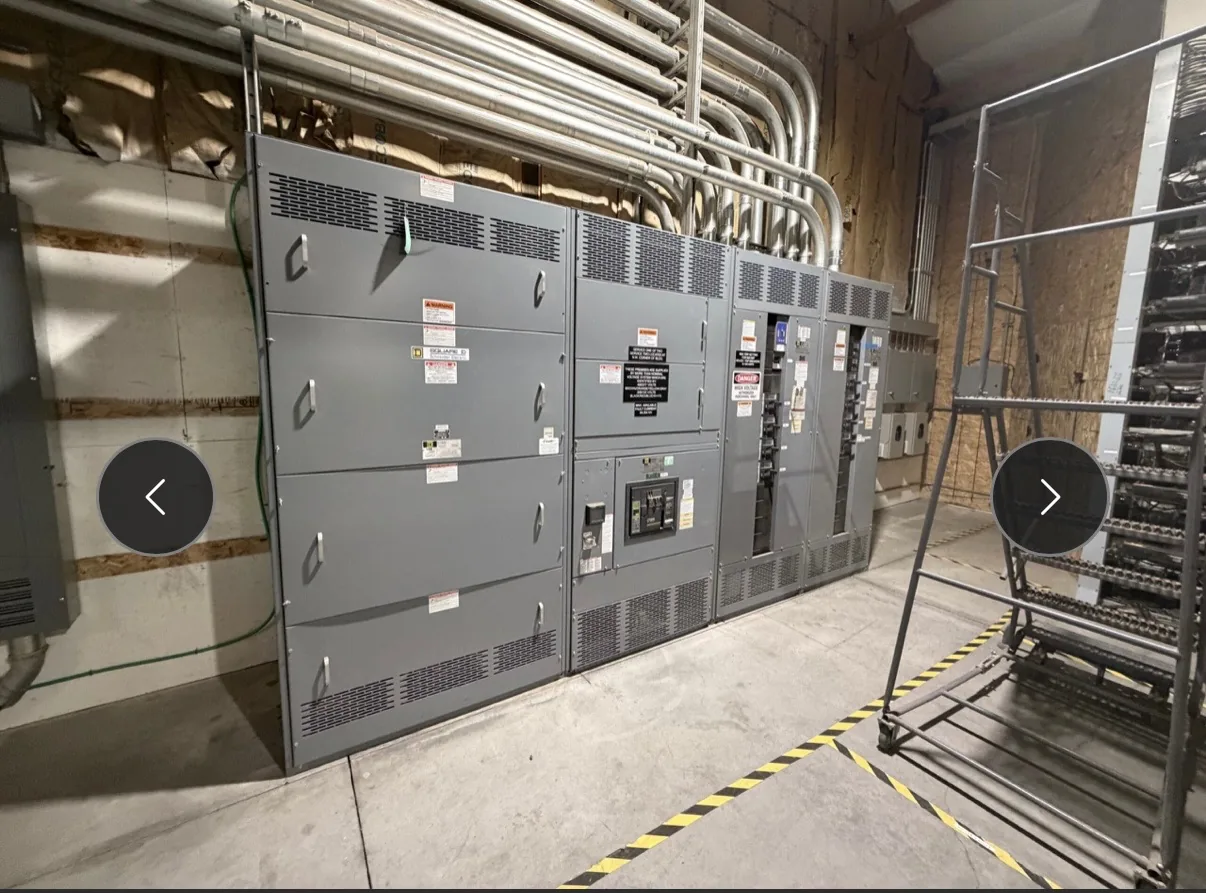
Power distribution, with purpose.
A nominal 4.16 kV system is a medium-voltage distribution system, not simply a low-voltage assembly with a higher voltage label. Selecting equipment requires a coordinated review of the system’s grounding, operating frequency, insulation requirements, fault duty, protective devices, and connections to upstream and downstream equipment. Treat 4.16 kV as the system nominal voltage, then confirm the actual equipment ratings and configuration for the project. Availability of any particular 4.16 kV configuration must be validated before it is described or quoted as an offered product.
Define the system voltage and grounding
Specify 4.16 kV as the nominal line-to-line system voltage and identify whether the source is grounded, resistance-grounded, reactance-grounded, or ungrounded. Grounding affects ground-fault current, relay sensing, insulation exposure, and the response expected from protection during a fault. A one-line diagram alone may not show enough detail; include the grounding method and, where applicable, the grounding equipment and its ratings.
Line-to-neutral voltage is meaningful only when the system has a neutral reference and the equipment arrangement supports it. For a grounded wye system at 4.16 kV line-to-line, the nominal line-to-neutral voltage is approximately 2.40 kV. Do not assume that each phase conductor is intended to supply line-to-neutral loads or that a neutral is available at the switchgear. Identify any grounded-wye, delta, or transformer-derived arrangement and show where neutral connections are made.
Separate nominal voltage from equipment ratings
The system’s 4.16 kV nominal voltage is not, by itself, a complete equipment specification. State the required equipment voltage class and maximum rated voltage, then verify that the selected insulation system and switching components are suitable for the system’s normal and foreseeable operating conditions. Do not infer a maximum equipment rating from the nominal voltage or assume that similarly labeled products have interchangeable capabilities.
Short-circuit duty is a separate selection check. Provide the available fault current at the equipment location, the expected system configuration, and the required interrupting and momentary duties. Utility contributions, transformer impedance, motor contribution, and changes in source or tie configuration can affect the result. The specified ratings must be confirmed against the actual design and available components rather than assumed from the 4.16 kV designation.


Coordinate frequency, insulation, and environment
Identify the system frequency and any operating conditions that could affect the equipment, such as frequent switching, unusual loading, harmonics, altitude, ambient temperature, or exposure to dust and moisture. Frequency is part of the electrical basis for component selection and protection settings; do not leave it implicit when a project includes generators, converters, or other sources that may operate differently from the normal utility supply.
Insulation coordination should reflect the system grounding, expected transient exposure, and the connected equipment. Confirm the required insulation levels and surge-protection approach with the project engineer, including any interface with transformers, cables, motors, or incoming utility equipment. A nominal voltage does not establish the required insulation withstand values, and no single insulation choice should be assumed appropriate for every 4.16 kV installation.
Build protection around the actual fault conditions
Protection details should match the one-line diagram and the system’s grounding and fault-current study. Provide the required relay functions, current- and voltage-transformer data, trip and close control voltages, breaker operating requirements, and any communications or interlocking needs. Ground-fault detection in particular depends on how the system is grounded and how residual or neutral quantities are measured.
Coordinate switchgear protection with upstream utility or service protection and downstream transformer, motor, and feeder devices. Supply existing relay settings or coordination constraints when known, along with the desired operating sequence for main, feeder, and tie devices. Selectivity, arc-flash mitigation, and continuity of service can involve tradeoffs; these should be evaluated by qualified project personnel using the actual study assumptions, not promised from a voltage rating alone.
Specify service interfaces and installation constraints
Describe what the 4.16 kV equipment must connect to, including source arrangement, incoming cable or bus details, outgoing feeder count, transformer interfaces, and any future expansion provisions. State the required enclosure type and the room or outdoor conditions that affect access, cable entry, ventilation, and maintenance clearances. Missing interface details can lead to avoidable redesign even when the electrical rating is otherwise appropriate.
For projects in Dallas–Fort Worth or elsewhere in the United States, confirm the delivery destination, unloading constraints, site access, and any project-specific procurement or domestic-content requirements. These logistics are distinct from electrical suitability. American components may be specified where appropriate, but component availability and any U.S.-origin requirements must be verified for the particular order rather than presumed.
Prepare a complete inquiry for a new build
For a useful quote review, provide the one-line diagram, load and feeder schedule, grounding method, fault-current information, protection and control requirements, voltage and frequency, insulation requirements, and applicable project specifications. Include preferred service arrangement, enclosure conditions, cable termination details, required drawings, delivery timing, and any approved component constraints. If a study or interface value is not yet available, identify it as pending so it is not mistaken for a confirmed design input.
The manufacturer builds and supplies new equipment, including custom configurations, and can review whether the requested 4.16 kV arrangement is actually available for the project. A shorter lead time may be a goal, not a guarantee; schedule depends on confirmed scope, component availability, engineering review, and order requirements. Ratings, standards, and any required U.S.-origin criteria must be confirmed for the specific build before purchase. UL 891 applies to low-voltage switchboards and should not be used as a blanket claim for 4.16 kV medium-voltage equipment.
Specifications & planning
Review the details that matter for your application. Final specifications and availability should be confirmed for your project.
| Evaluation factor | Information to confirm |
|---|---|
| System basis | 4.16 kV nominal line-to-line; grounding method and neutral availability |
| Equipment duty | Equipment maximum rated voltage and required short-circuit duties; engineering review required |
| Protection | Fault study inputs, relay functions, instrument-transformer data, and coordination constraints |
| Interfaces | Frequency, cable or bus connections, enclosure conditions, delivery constraints, and project-specific standards |