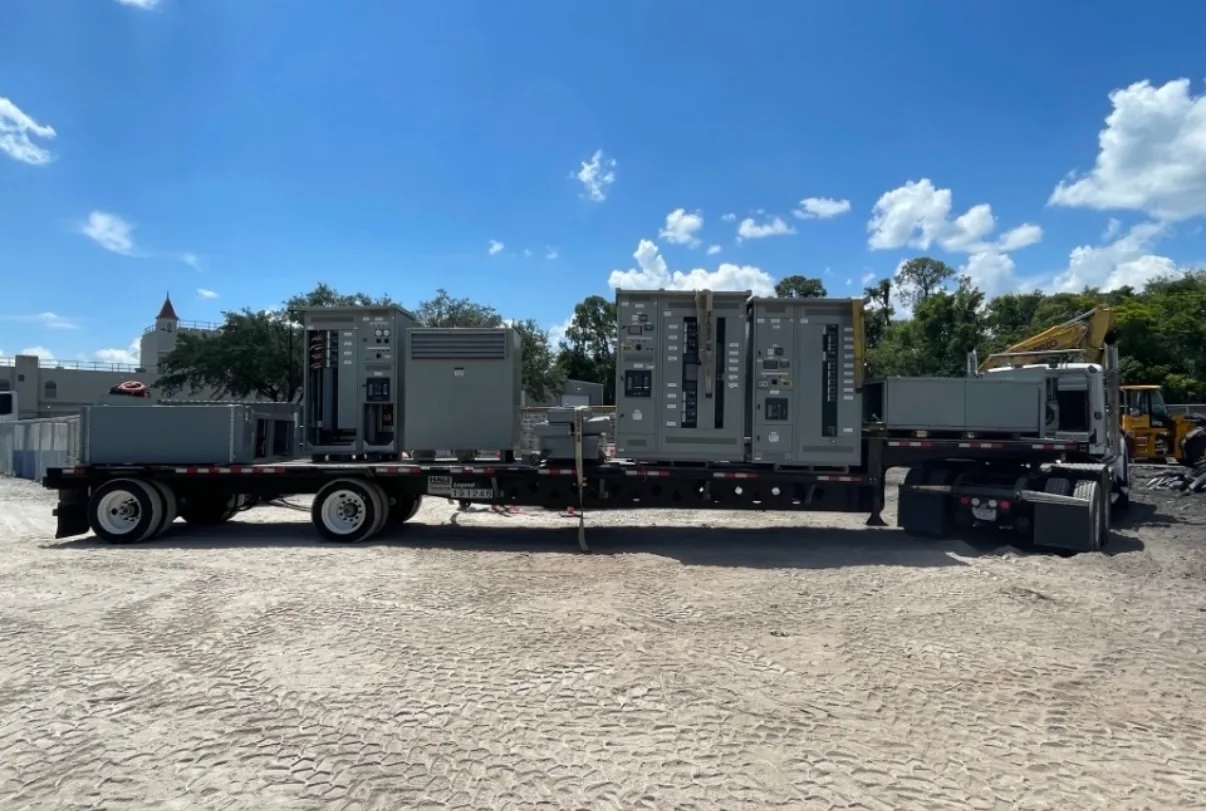
Power distribution, with purpose.
Buying new electrical switchgear directly from a manufacturer gives you a direct path to discuss the design, components, and interfaces behind the equipment—not just a catalog description. A useful purchase starts with the system conditions and project documents that define what the gear must do.
Start with the electrical system, not a product label
“Switchgear” can describe different equipment, so identify the function you need before requesting a quote. A low-voltage switchboard may distribute power through molded-case or insulated-case circuit breakers, while medium-voltage metal-enclosed switchgear serves different voltage classes and operating requirements. Include the system’s nominal voltage, phase, frequency, grounding arrangement, and intended application. These details help distinguish equipment that may sound similar but is not interchangeable.
State the available fault current or the required short-circuit rating, along with the upstream protective device and any coordination requirements. A nominal system voltage is not the same as an equipment maximum voltage rating; both need to be checked against the design. Do not assume a standard bus or breaker selection fits your project. Ratings, construction, applicable standards, and component availability must be confirmed for the specific order.
Give the manufacturer a quote-ready project package
A single-line diagram is one of the most useful starting documents because it shows sources, transformers, ties, loads, and protective devices in context. Add a panel or circuit schedule, load information, available fault-current data, and any written equipment specification. If drawings are preliminary, label them as such and identify open design decisions rather than letting assumptions become hidden quote requirements.
Include the desired lineup arrangement, approximate dimensions or room constraints, cable or bus entry direction, and access clearances. Note whether the installation is indoor or outdoor and describe environmental conditions that affect enclosure selection. Provide the project location, requested delivery window, and shipping constraints so the manufacturer can evaluate logistics without assuming that a quoted equipment configuration will fit the building or schedule.


Compare scope and interfaces, not just the total
When comparing proposals, check what is actually included: the lineup, breakers, metering, control power, protective relays, surge protection, and any specified accessories. Confirm quantities and identify exclusions. A lower initial figure can reflect a different level of integration or omit components that another proposal includes, so compare each offer against the same drawings and specification revision.
Review the connection points between the switchgear and the rest of the electrical system. Cable termination space, conductor size and quantity, conduit entry, bus connections, neutral and ground arrangements, and control wiring can affect whether the delivered lineup works with upstream and downstream equipment. Identify required communications protocols, network connections, and alarm or trip contacts. Interface details deserve written agreement before release to avoid late redesign.
Treat approvals and revisions as part of the purchase
Ask what drawings and technical submittals are included in the proposed process, who reviews them, and what information is needed to resolve comments. Keep the approved one-line, equipment schedule, and specification aligned. If the project changes after review—such as breaker frame sizes, metering, feeder count, or lineup dimensions—request a documented assessment of the effect on cost, design, and delivery rather than relying on an informal assumption.
For low-voltage switchboards, UL 891 may be relevant when applicable to the specified assembly; it does not apply as a general listing for medium-voltage or high-voltage switchgear. Avoid treating a voltage label or a component’s certification as proof that an entire assembly meets a project requirement. Confirm the requested standards, assembly status, and documentation for the exact configuration before placing the order.
Balance customization, components, and schedule
A manufacturer-built lineup can be configured around project requirements, but customization should have a clear purpose. Decide which functions are essential at startup and which are future provisions, such as spare breaker spaces or communications capability. Extra features may affect space, engineering, component sourcing, and review. Ask how proposed substitutions would preserve the required electrical and mechanical interfaces before accepting a change.
Shorter lead time can be a manufacturing goal, not a guarantee. Timing depends on final drawings, approvals, component availability, and the configuration’s complexity. If a date is critical, provide it early and request confirmation of the assumptions behind the schedule. Buyers in Dallas–Fort Worth can use the same direct specification process as customers elsewhere; equipment can also be shipped nationwide, with delivery details confirmed for the particular order.
Confirm order boundaries before authorization
Before authorizing manufacture, make sure the purchase documents identify the final lineup, ratings, breaker and accessory selections, enclosure requirements, approved drawings, and any permitted deviations. Confirm what documentation will accompany the equipment and how changes will be handled after release. Clearly assign responsibility for field installation, testing, commissioning, and coordination with other trades; do not assume these services are included unless the proposal expressly says so.
The manufacturer builds and supplies new equipment, using American components where specified and available. If a project has U.S.-origin procurement rules, identify the exact requirement and ask for order-specific confirmation; “American components” alone does not establish compliance with every sourcing rule. A complete quote request lets the manufacturer assess scope and constraints directly, while final ratings, standards, component availability, and origin requirements remain subject to confirmation for the specific order.
Specifications & planning
Review the details that matter for your application. Final specifications and availability should be confirmed for your project.
| Evaluation factor | What to establish before ordering |
|---|---|
| System definition | Nominal voltage, frequency, grounding, fault-current basis, and application |
| Physical fit | Lineup arrangement, enclosure conditions, cable entry, and room constraints |
| Included scope | Breakers, metering, relays, accessories, and documented exclusions |
| Schedule and sourcing | Required date, approval assumptions, component availability, and any origin rules |