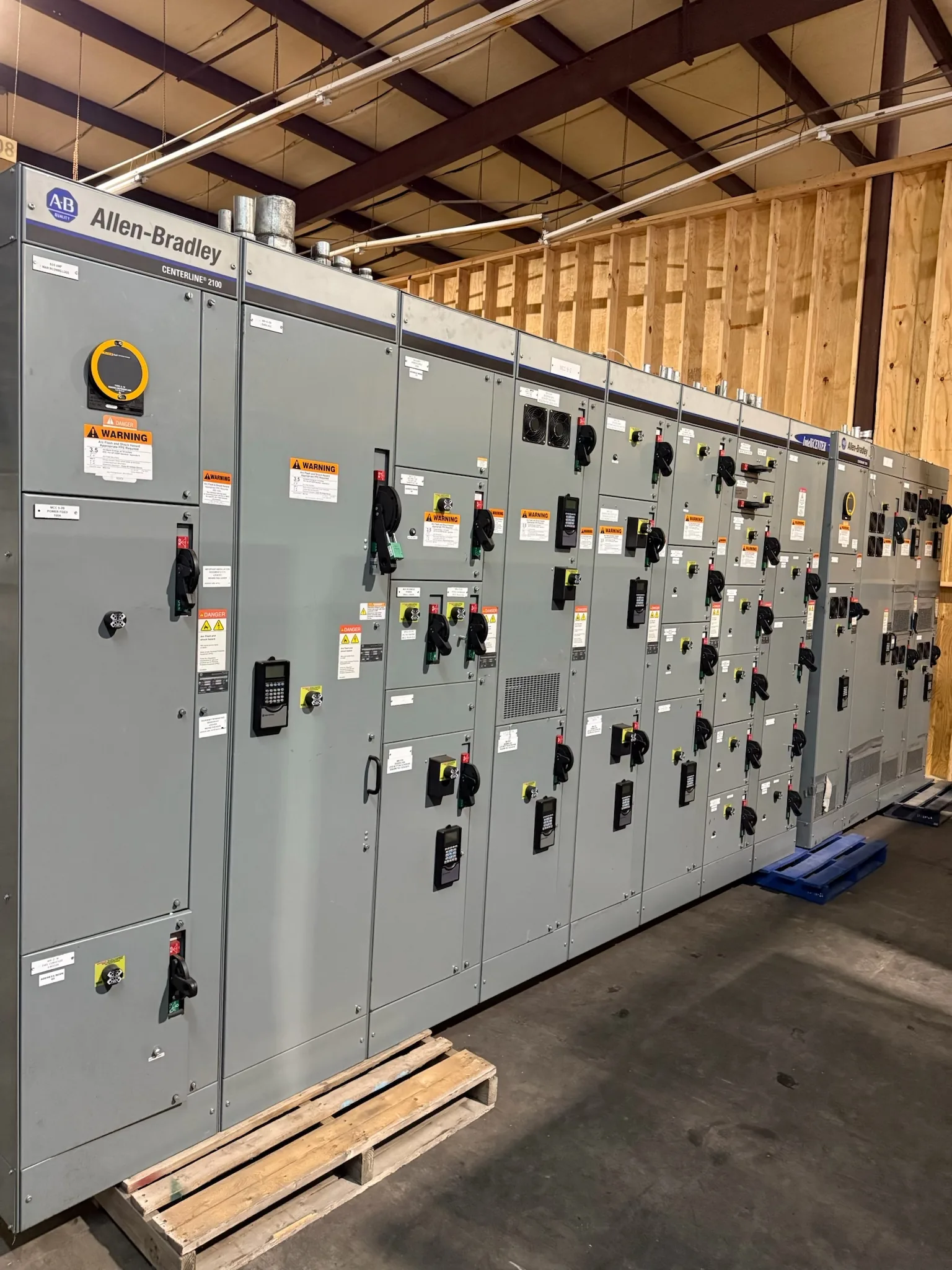
Power distribution, with purpose.
A switchgear distributor and a direct manufacturer can both be part of a successful purchase, but they serve different roles. The right channel depends on whether the project needs a standard, readily sourced product or a new assembly built around defined electrical, mechanical, and interface requirements. For buyers in Dallas–Fort Worth and across the United States, comparing those roles early can clarify who is responsible for configuration, documentation, and coordination.
Know what the sales channel is responsible for
A distributor typically acts as a sales and supply channel for equipment made by one or more manufacturers. Depending on its arrangements, a distributor may help identify a product family, coordinate a request for pricing, and communicate order status. The buyer should confirm which organization will answer technical questions, approve deviations, issue final drawings, and handle warranty matters. Those responsibilities are not automatically the same simply because one company provides the quote.
Direct purchasing from a manufacturer connects the buyer with the organization building the new equipment. That channel can be useful when the project needs custom construction, a defined component lineup, or close review of switchboard interfaces. It does not remove the need for clear specifications or engineering review. Ask who has authority to confirm the proposed configuration, what information is needed before drawings can be prepared, and how changes after approval may affect schedule or scope.
Match the channel to the project’s level of customization
If the design is substantially fixed and calls for a standard product configuration, a distributor may provide a convenient route to compare manufacturer options. Verify that the quoted equipment matches the one-line diagram and project requirements rather than relying on a broad product description. Confirm the exact manufacturer, catalog or configuration identifiers where applicable, included devices, enclosure details, and any exceptions. A familiar product name is not enough to establish that the assembly fits the application.
When the project requires a tailored low-voltage switchboard, direct manufacturing may make it easier to discuss bus arrangement, breaker types, metering, control wiring, and physical layout with the builder. Customization still has boundaries: component availability, electrical ratings, enclosure constraints, and applicable standards must be reviewed for the specific order. A shorter lead time may be a goal, but it should not be treated as guaranteed. The approved scope and confirmed schedule matter more than an early estimate.


Send a quote package that supports an accurate review
A useful request for quotation starts with the application and the documents that define it. Provide the latest one-line diagram, system nominal voltage, phase and frequency, available fault-current information, and the required equipment short-circuit rating or method for determining it. Include the number and type of incoming and outgoing circuits, anticipated loads, protective-device requirements, metering and control needs, and any preferred component manufacturers. Mark open questions clearly so assumptions do not become hidden design decisions.
Physical and operational details can change the build substantially. Share enclosure location and environmental conditions, access clearances, cable entry and exit directions, conductor information if known, shipping constraints, and the intended connection points to adjacent equipment. Identify required drawing formats, submittal milestones, witness or inspection needs, and requested documentation. If a specification calls for American components or imposes U.S. origin requirements, state the exact requirement and how it will be evaluated; component sourcing and origin details need confirmation for the order.
Check electrical ratings and standards at the assembly level
Compare proposals on the same technical basis. System nominal voltage describes the power system; the equipment maximum voltage rating is a separate value that must be appropriate for that system. Likewise, do not assume a stated breaker interrupting rating establishes the short-circuit rating of the complete assembly. Request confirmation of the proposed assembly rating, protective-device details, and any conditions or coordination assumptions that affect the selection.
UL 891 applies to low-voltage switchboards, not generally to medium-voltage or high-voltage switchgear. A request involving 5 kV, 15 kV, 27 kV, or 35 kV is ordinarily a medium-voltage application in this context and must not be treated as a UL 891 switchboard. Ask the supplier to identify the equipment category and the standards relevant to the proposed design. Ratings, standards, listing status, and component availability must be confirmed for the specific assembly; broad claims are not a substitute for order-specific documentation.
Coordinate interfaces before approving the order
Many avoidable delays begin at the boundary between the switchboard and the rest of the electrical system. Review how the proposed assembly connects to transformers, generators, transfer equipment, downstream panels, protective relays, and building control systems. Confirm bus connections, cable space, control-power sources, communications needs, and signals exchanged with other equipment. If another contractor or engineer owns an interface, identify that party and agree on what information must be exchanged before drawings are approved.
For a project in Dallas–Fort Worth or elsewhere in the country, delivery planning should be based on the destination, access conditions, unloading responsibility, and site readiness—not an assumption about the manufacturer’s location. Confirm shipping configuration, shipment milestones, receiving requirements, and who is responsible for checking the delivered equipment against the approved documents. A careful handoff can reduce rework, especially when switchboard dimensions or connection points must align with equipment furnished under a separate order.
Compare proposals by scope, evidence, and risk
A low initial quote can leave important work undefined. Compare what each proposal includes, such as engineering documents, devices, metering, accessories, factory testing scope, packaging, and freight assumptions. Identify exclusions and substitutions, then ask whether they change the electrical function or merely the commercial scope. For a distributor quote, establish which manufacturer’s equipment is actually being offered; for a direct-manufacturer quote, establish which custom features are included and which remain subject to engineering review.
Before purchase, resolve open technical points in writing and make the approved drawings, specifications, and exceptions part of the order record. Confirm the commercial terms, schedule basis, change process, and documentation deliverables with the responsible seller. A manufacturer can build and supply new equipment using American components where specified, while the purchaser remains responsible for providing accurate application requirements and obtaining the necessary project approvals. This clarity helps buyers choose a channel based on accountability and fit, not just the first quoted number.
Specifications & planning
Review the details that matter for your application. Final specifications and availability should be confirmed for your project.
| Evaluation factor | What to confirm |
|---|---|
| Sales responsibility | Who quotes, answers technical questions, approves deviations, and supports warranty matters |
| Technical fit | System nominal voltage, equipment maximum rating, assembly short-circuit rating, and device configuration |
| Scope and documentation | Included components, drawings, testing scope, exclusions, and order-specific standards or listing evidence |
| Delivery planning | Schedule basis, destination, shipment configuration, receiving conditions, and handoff responsibilities |