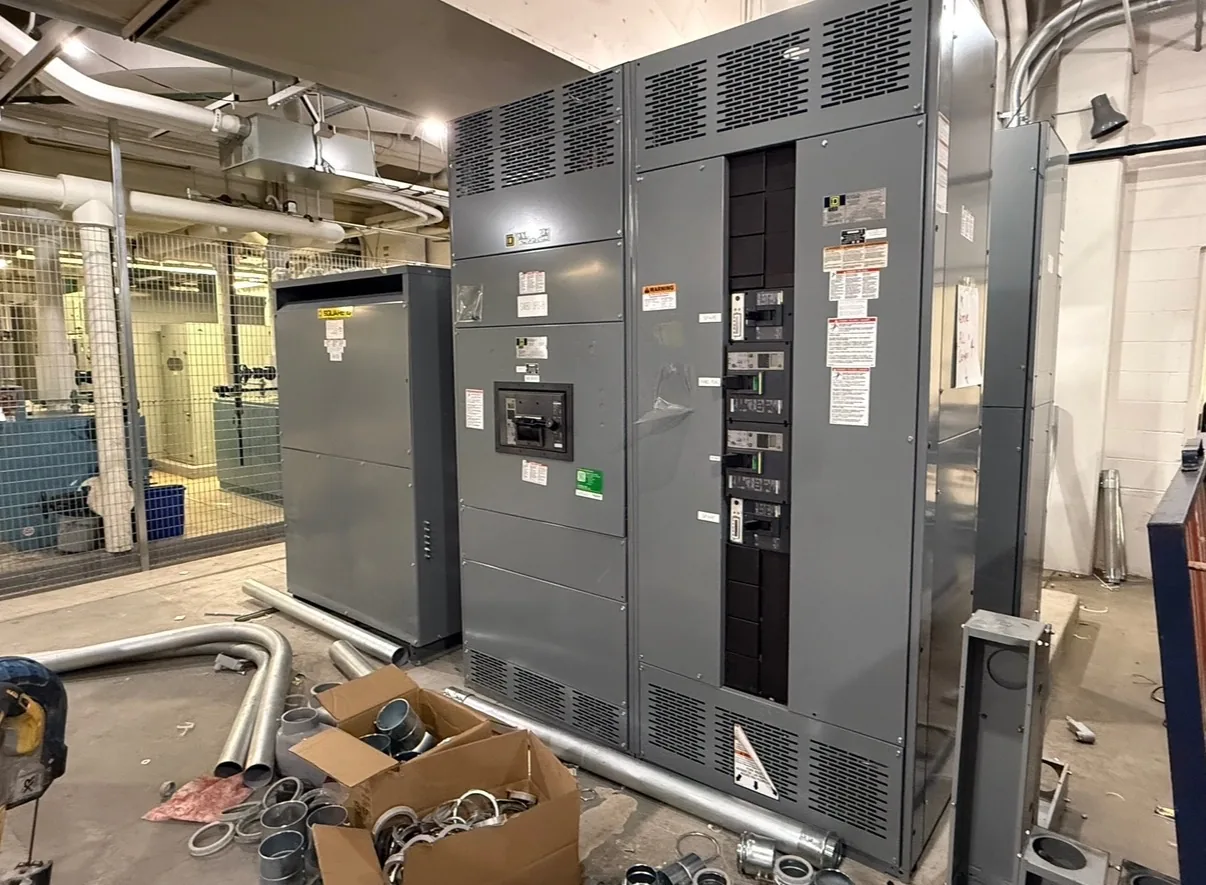
Power distribution, with purpose.
Switchgear manufacturing time is not a single standard number. It depends on the approved design, the components specified, production planning, required inspections and tests, and delivery conditions. A useful schedule is built from project-specific information and confirmed against current manufacturer capabilities—not assumed from a general estimate.
What the schedule actually includes
A quoted manufacturing schedule may begin only after key commercial and technical conditions are satisfied. Depending on the order, that start point can hinge on receipt of a purchase order, cleared submittals, approved drawings, confirmed component selections, or another agreed release milestone. Ask the manufacturer to define the schedule’s starting event and identify which customer approvals are needed before production can proceed.
The full path may include engineering review, drawing preparation, customer review, procurement, assembly, inspection and testing, documentation, and freight coordination. These activities do not always occur strictly one after another: some purchasing or preparation may proceed while drawings are under review, if the parties agree. Clarify which tasks overlap, what assumptions support the estimate, and how a late change affects the forecast.
Approval quality can prevent avoidable delays
Submittals move faster when the one-line diagram, equipment schedule, and control requirements tell a consistent story. Conflicts between the specified system voltage, incoming source, bus arrangement, feeder count, protective devices, metering, and control interfaces can require clarification or a revised drawing. A decision that appears minor on paper—such as a breaker frame, trip unit, or cable-entry direction—may affect compartment layout and connected equipment.
Assign a knowledgeable reviewer who can consolidate comments and return one coordinated response. Review the drawings against the actual installation and operating requirements, not just the equipment description. Confirm who has authority to approve deviations and whether approvals are conditional. Repeated or conflicting review cycles can hold procurement or fabrication, while an early, complete response helps the manufacturer work from a stable design.


Component choices and design flexibility
Lead time can be affected by the specific breakers, protective relays, meters, control power components, and other devices required. Availability changes, and a preferred make or model may have a different supply outlook than an acceptable alternative. Custom bus configurations, unusual compartment arrangements, special finishes, or integration with existing controls can also add engineering and coordination work. No component or schedule should be presumed available until confirmed for the order.
Discuss substitutions before the design is frozen. An alternative may support schedule goals, but it must remain acceptable for the electrical duty, protection coordination, physical interfaces, maintenance approach, and project specifications. Do not treat nominal system voltage as the equipment’s maximum rating, or assume a rating from a similar lineup applies. Required voltage, continuous current, short-circuit rating, environmental conditions, and applicable standards need engineering review for the specific application.
Example: a change after drawing approval
Consider a hypothetical project for a new low-voltage distribution lineup serving a facility near Dallas–Fort Worth. The purchaser approves a layout, then requests a different feeder-breaker arrangement after confirming the downstream equipment. That revision might alter bus connections, compartment space, cable access, or protective-device selections. The manufacturer would need to assess the technical impact and determine whether drawings, purchased parts, or production work must change before revising the schedule.
This example does not represent a completed project or promise a particular duration. It illustrates why early coordination with the electrical engineer, equipment manufacturer, and relevant project parties matters. A change made before affected parts are ordered may have a different consequence than one made after procurement or assembly begins. Request a written schedule update that states the revised scope, assumptions, outstanding approvals, and any delivery dependencies.
Information to provide for a meaningful quote
To develop a project-specific quotation, provide the one-line diagram, equipment schedule, system nominal voltage and grounding information, required continuous-current and short-circuit ratings, and the intended application. Include the number and type of mains and feeders, device and relay preferences, metering and control needs, enclosure or environmental requirements, cable-entry details, and any integration points with existing equipment. Identify the applicable project specifications and any required standards, inspections, documentation, or testing.
Also share the required delivery date, ship-to destination, site access or receiving constraints, and the dates by which submittals and decisions can be returned. State whether the request is for new equipment, identify any approved component alternatives, and flag requirements for U.S.-origin components or other sourcing conditions. Ratings, component availability, standards compliance, and origin requirements must be confirmed for the particular order; an incomplete specification can make both price and schedule assumptions unreliable.
Plan logistics and engage the right reviewers
Manufacturing completion is not the same as equipment being ready for installation. Shipping method, freight handling, delivery appointments, unloading capability, storage conditions, and site access can affect the practical handoff. For Dallas–Fort Worth projects and shipments elsewhere in the country, confirm the destination and receiving requirements early; serving a region does not imply a local manufacturing facility. Coordinate delivery timing with site readiness and the project’s electrical work plan.
Engage a qualified electrical engineer or other responsible professional early to establish system requirements, review protection and interfaces, and resolve code or specification questions. The manufacturer can evaluate the proposed build against information supplied for the order, but a schedule estimate cannot replace engineering review or site coordination. The manufacturer builds and supplies new custom equipment, with shorter lead time a goal rather than a guarantee; any UL 891 applicability, ratings, and other requirements should be confirmed for the specific assembly.
Specifications & planning
Review the details that matter for your application. Final specifications and availability should be confirmed for your project.
| Evaluation factor | What to confirm |
|---|---|
| Schedule start | The event that releases engineering or production |
| Approvals | Drawing reviewer, consolidated comments, and decision dates |
| Components | Specified devices, acceptable alternatives, and current availability |
| Delivery | Destination, receiving constraints, and site readiness |