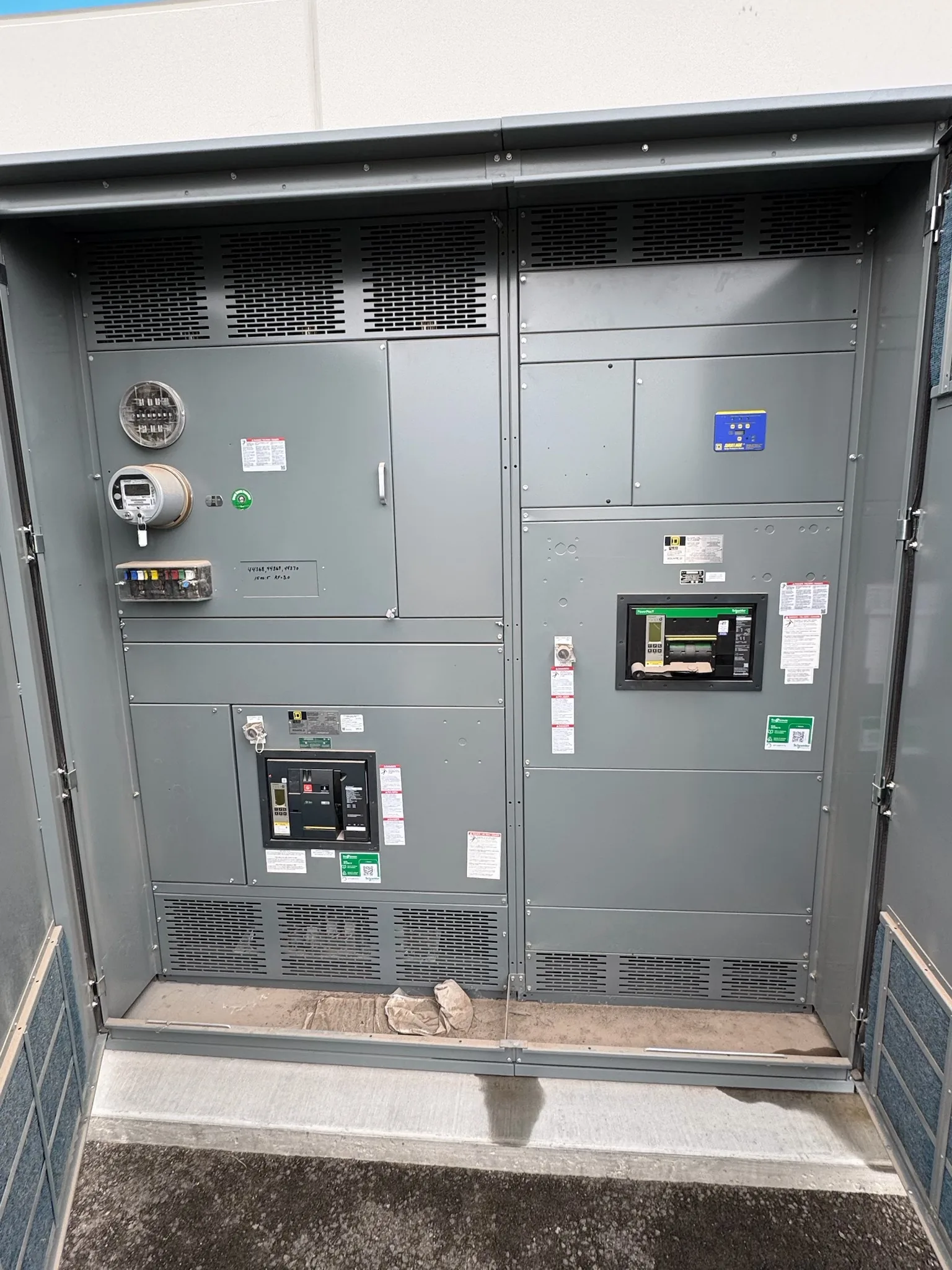
Power distribution, with purpose.
Switchgear installation and energization are coordinated project activities, not a single manufacturer service. The manufacturer builds equipment to an approved design; qualified contractors handle field installation and electrical work; the owner coordinates site readiness and operating authority; and the utility controls its own service interface. Who may authorize energization depends on the project, applicable rules, and the equipment involved.
What the manufacturer is responsible for
The manufacturer’s role is to translate the approved electrical and mechanical requirements into equipment, provide the agreed documentation, and clarify product interfaces. Depending on the order, documentation may include drawings, connection information, component data, and instructions for receiving, storage, installation, and maintenance. Confirm exactly which submittals, tests, and deliverables are included in the purchase scope rather than assuming every project requires or receives the same package.
A manufacturer can answer questions about its supplied assembly and identify details that affect field connections, such as cable entry, bus arrangement, control power, metering, and specified protective devices. That product support does not make the manufacturer responsible for site wiring, utility coordination, construction safety, or authorization to energize. Any field change that affects clearances, ratings, wiring, or the approved design should be reviewed by the responsible design professional and relevant equipment parties before work proceeds.
Who installs and connects the equipment
A qualified electrical installation contractor typically receives and handles the equipment, places and secures it, joins shipping sections where applicable, and completes field connections in accordance with approved documents and governing requirements. The project team should define who supplies foundations, lifting equipment, conduits, cable terminations, grounding connections, control wiring, and any required environmental protection. These boundaries matter: an item omitted from both the equipment order and construction scope can delay completion or create an unsafe interface.
Qualification is specific to the work and jurisdiction; it is not established simply by owning tools or having worked on similar gear. The owner or general contractor should verify that the contractor is authorized and competent for the installation, and should establish responsibility for inspections, testing, records, and correction of deficiencies. In Dallas–Fort Worth, as elsewhere, the project’s applicable codes, permitting authority, utility requirements, and contract documents determine what must be satisfied; the manufacturer should not be presumed to install equipment unless that service is expressly verified and contracted.


Energization, utility authority, and owner control
Energization is the controlled transition from installed equipment to an energized electrical system. It may require completed inspections, acceptable test results, confirmed protective-device settings, utility approval or service availability, and authorization under the owner’s operating procedures. The utility controls its own equipment and service connection; it does not automatically accept responsibility for customer-owned switchgear or authorize every step on the customer side of the point of delivery.
The owner is responsible for assigning an authorized operating representative and ensuring that qualified persons perform or direct electrical work within their competence. Energized work carries serious arc-flash and shock hazards and must be managed under applicable safety rules and site procedures by qualified personnel. This page is not an operating procedure: no one should use general web guidance as permission to work on live equipment. The project should identify who approves readiness, who communicates with the utility, and who has authority to stop commissioning if a concern remains.
Example: coordinating a new service lineup
Consider a hypothetical facility ordering a new low-voltage switchboard. The manufacturer builds the assembly to approved drawings, while the project electrical contractor prepares the room, receives and positions the sections, completes field connections, and reports installation status. The engineer of record reviews design intent and protection coordination, the owner identifies its operating authority, and the utility confirms the service-side interface and any prerequisites it controls. Actual assignments must follow the project contract and local requirements.
If the service conductors enter from a different direction than shown, or the available fault current changes, the team should pause and resolve the design and equipment implications before treating the lineup as ready. A change can affect termination space, protection, short-circuit requirements, or the approved configuration. Testing and commissioning plans should distinguish factory-provided documentation from field tests and identify who reviews results. The example illustrates coordination only; it is not a claim about a completed project or a universal sequence.
Design choices that affect field installation
Installation responsibilities should inform equipment specifications early. Room dimensions and access routes affect section size, shipping splits, handling, and final placement. Cable entry, conductor quantity and size, top or bottom access, grounding, control wiring, and metering interfaces affect the contractor’s scope and connection design. Required voltage, system configuration, continuous-current needs, and available fault current must be established by the project’s qualified design professional rather than inferred from a product label.
Protective-device selection, short-circuit ratings, and coordination requirements also influence commissioning and operating responsibilities. For low-voltage switchboards, UL 891 may be applicable to the specified assembly; it is not a general listing for medium-voltage or high-voltage equipment. Nominal system voltage and equipment maximum rating are distinct, and proposed ratings, component availability, applicable standards, and any U.S.-origin requirements must be confirmed for the specific order. Custom builds using American components and shorter lead time as a goal may be discussed, but neither availability nor schedule is guaranteed without review.
Information to provide and when to seek help
For a useful new-equipment quote, provide the one-line diagram, system nominal voltage and configuration, source and load information, available fault current or the basis for determining it, required continuous-current and short-circuit ratings, and applicable specifications. Include enclosure and room conditions, cable entry and termination details, metering and control needs, protection requirements, preferred components where specified, delivery destination, and the target schedule. Identify who will install the assembly, who supplies field accessories, and any utility or authority requirements already known.
Engage the engineer of record or another qualified electrical professional when design data are incomplete, fault-current or coordination questions remain, the utility interface is unclear, or proposed changes affect the approved design. Bring the contractor and owner’s operations representative into the discussion before procurement when access, lifting, outage planning, or commissioning responsibilities could constrain the selection. A manufacturer can assess whether a proposed new assembly matches the supplied requirements and clarify its product scope, but project-specific engineering, installation approval, utility acceptance, and energization authority remain with the parties assigned those duties.
Specifications & planning
Review the details that matter for your application. Final specifications and availability should be confirmed for your project.
| Evaluation factor | What to establish |
|---|---|
| Equipment scope | Assembly, accessories, drawings, tests, and documentation included in the order |
| Field installation | Contractor responsibility for handling, placement, connections, inspection, and records |
| Utility interface | Point of delivery, utility-controlled work, service prerequisites, and coordination contact |
| Energization readiness | Required approvals, test documentation, protection review, and owner-authorized decision-maker |