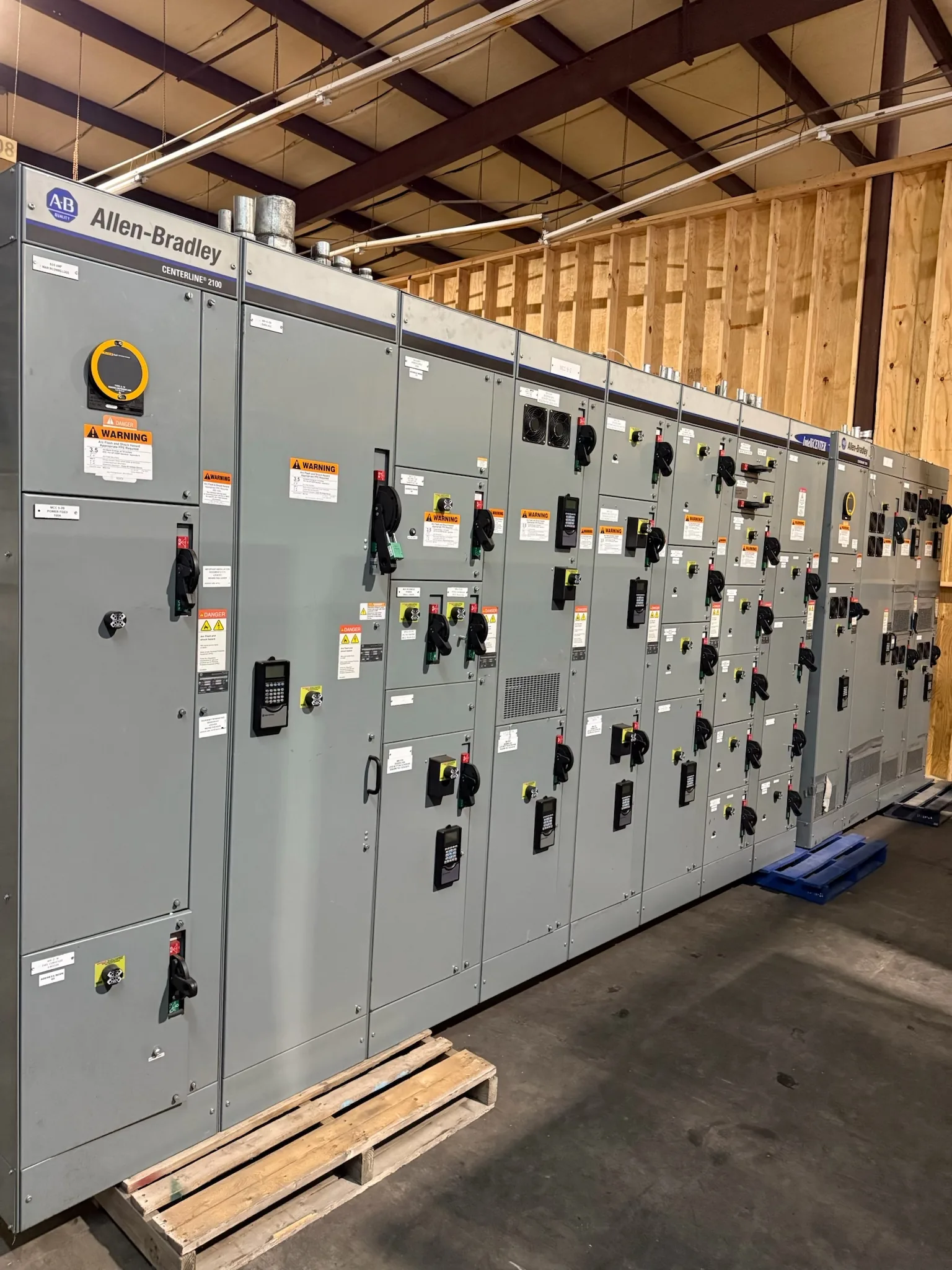
Power distribution, with purpose.
Healthcare switchgear maintenance planning begins with one practical question: what can be safely isolated, for how long, and with which clinical services affected? In a continuously occupied care environment, an electrical outage is a coordinated operational event, not just a maintenance appointment. A sound plan connects equipment condition and switching boundaries with patient-care priorities, verified alternate supplies, staff communications, and a documented return-to-service decision.
Map the electrical boundary before setting an outage
Start with current one-line diagrams, equipment schedules, field-verified labels, and the maintenance history for each affected switchboard, switchgear lineup, transformer, tie, and downstream distribution path. Identify the exact devices that must be opened or isolated and determine which loads they serve. A diagram that omits later renovations or temporary feeds can make an apparently small maintenance window affect clinical spaces well beyond the work area. Have qualified facility electrical personnel reconcile documentation with the installed system before approving the boundary.
The boundary should account for normal and alternate sources, generator and automatic transfer arrangements, UPS-supported loads, interlocks, backfeeds, and any shared equipment serving multiple buildings or departments. An alternate source is not automatically a safe or sufficient substitute: its capacity, transfer behavior, fault protection, and maintenance status need review against the loads expected to remain energized. Define who may authorize switching and who confirms the actual equipment state; planning documents do not replace approved site procedures or qualified electrical work.
Coordinate clinical risk and the outage window
Facilities staff should develop the proposed scope and duration with clinical operations, infection prevention, life-safety leadership, information technology, biomedical engineering, security, and the relevant department managers. Their input identifies dependencies that a one-line diagram cannot show, such as procedure schedules, medication refrigeration, diagnostic equipment, controlled access, nurse-call functions, networked devices, or construction barriers. Confirm which loads are critical, what continuity measures are already approved, and which services must be relocated, deferred, or taken out of service during the work.
Choose an outage window based on verified system capability and operational tolerance rather than assuming nights or weekends are inherently low risk. A short interruption at a critical clinical moment may be less acceptable than a longer planned window with a validated continuity arrangement. Include time for pre-work checks, the authorized isolation, maintenance, inspection, restoration, and functional verification, with contingency time if conditions differ from the plan. If the expected work cannot fit the approved window, revise the scope or schedule instead of compressing safety checks.

Use a scenario to test the plan
Consider a hypothetical hospital planning inspection and maintenance inside a low-voltage distribution lineup that serves a clinical wing and nearby support spaces. The facility team first checks the latest drawings and verifies feeder destinations with qualified staff. Clinical leaders identify patient-care functions that cannot tolerate interruption, while IT and biomedical engineering flag equipment whose behavior during transfer or brief loss of power needs specific review. The team then checks whether the proposed alternate supply can support the agreed loads and whether the planned switching boundary leaves unrelated areas unaffected.
Before approval, the team would set an outage window, confirm the authorized switching and work roles, communicate affected areas, and define stop conditions if the source configuration or load behavior does not match expectations. After maintenance, designated personnel would verify the equipment condition, protective and control functions within the approved scope, and restoration of affected services before clinical leaders resume normal operations. This is an illustrative planning exercise, not a completed project or a substitute for the facility’s electrical safety program, manufacturer instructions, applicable codes, or engineering review.
Resolve equipment and specification tradeoffs
Maintenance findings can reveal a need to repair, reconfigure, or replace equipment, but the choice should follow documented condition and system requirements. A replacement may reduce compatibility risk when it matches existing bus arrangement, wiring, protective devices, controls, and physical constraints; a custom configuration may be needed when the installation has unusual interfaces or limited space. Conversely, replacing a lineup during a narrow outage can introduce commissioning and coordination demands that routine maintenance would not. Compare lifecycle impact, outage exposure, maintainability, spare-parts strategy, and the consequences of modifying connected equipment.
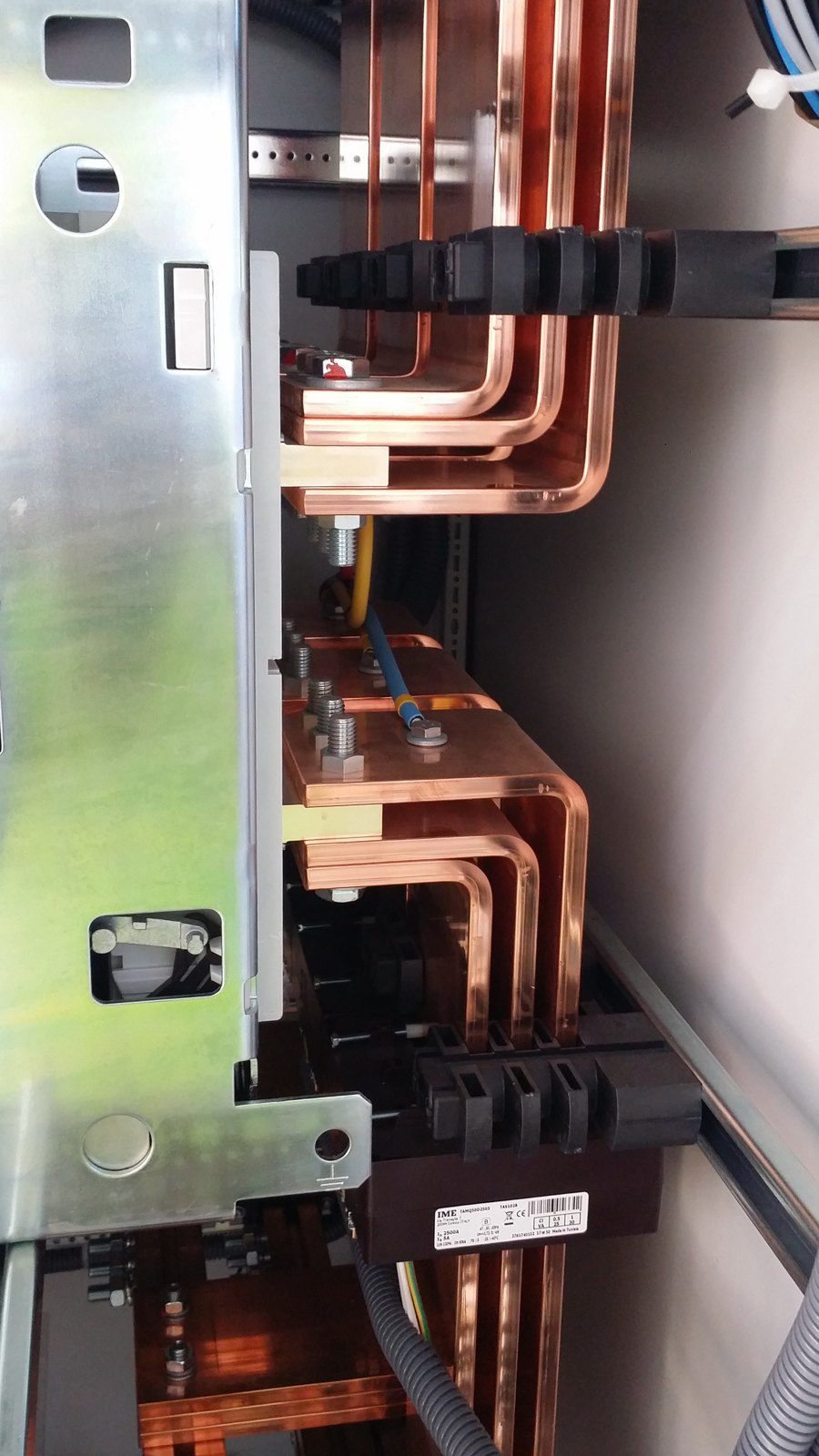
Specifications should identify the system’s nominal voltage and the equipment’s required maximum rating separately, along with continuous current, short-circuit duty, enclosure and environmental conditions, bus arrangement, incoming and outgoing connections, metering, control interfaces, and required options. Include existing drawings, photographs of nameplates and connection points, available dimensions, protection information, and the intended installation and delivery constraints when requesting a quote. A manufacturer can evaluate a new custom build and American-component requirements, with shorter lead time as a goal; actual design, component availability, origin requirements, ratings, and applicable standards must be confirmed for the specific order. UL 891 applies to low-voltage switchboards, not medium-voltage switchgear, and any applicable assembly status must be verified rather than assumed.
Keep approvals and responsibilities explicit
Separate technical review from operational authorization. The facility’s responsible electrical authority and qualified personnel should approve the isolation boundary, switching documents, work scope, and restoration criteria under site procedures. Clinical and life-safety leaders approve the operational impact and continuity arrangements; infection prevention and construction teams address barriers or nearby work where relevant. The equipment supplier can clarify proposed equipment details and interfaces, but does not replace the facility’s engineering authority, safety program, or approval of an outage.
For facilities in Dallas–Fort Worth or elsewhere, the same discipline applies: verify the installed system and local project requirements rather than relying on a generic schedule or assumed standard configuration. Preserve the approved drawings, stakeholder decisions, notifications, test records, and final as-left configuration so future maintenance planners can distinguish verified conditions from assumptions. If field conditions change, pause and route the change to the designated approvers before proceeding. Clear boundaries and documented decisions help protect continuity without implying that any outage is risk-free.
Specifications & planning
Review the details that matter for your application. Final specifications and availability should be confirmed for your project.
| Evaluation factor | Planning question |
|---|---|
| Isolation boundary | Which verified devices and downstream loads are in scope? |
| Alternate supply | Can the approved source support the identified loads and transfer behavior? |
| Clinical window | Which services and stakeholders determine acceptable timing and duration? |
| Replacement fit | Do ratings, interfaces, dimensions, protection, and required standards match the project? |