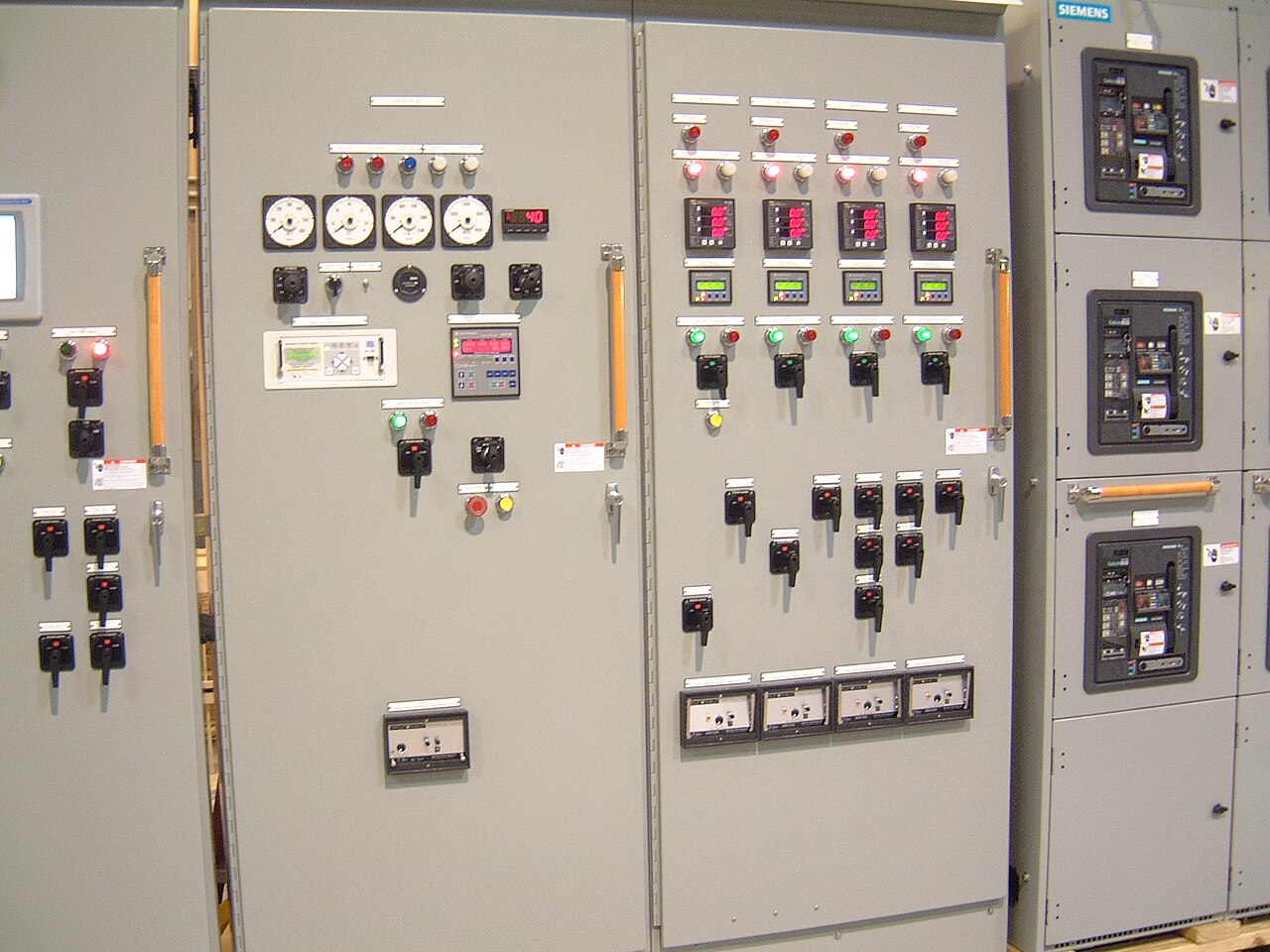
Power distribution, with purpose.
Manufacturing switchgear must suit the conditions around it, not just the electrical one-line. Dust, ambient and radiant heat, vibration, washdown practices and nearby processes can affect enclosure selection, component performance, maintenance access and service life. Define those conditions early so the equipment specification reflects the actual installation rather than an assumed indoor environment.
Describe the environment at the equipment location
Start with the proposed switchgear location and the conditions it experiences throughout a normal production cycle. Record expected minimum and maximum ambient temperatures, humidity, airborne material, ventilation, and any temperature rise from furnaces, ovens, motors or process lines. A room described as “indoors” may still have substantial heat, conductive dust or periodic moisture. Where conditions vary by shift, season or process state, give the range and duration instead of a single typical value.
Identify whether the gear will be in a clean electrical room, on a production floor, near a material-handling operation or in a separate exterior location. Note roof leaks, condensation risk, corrosive vapors, washdown boundaries and the possibility of future process changes. For a Dallas–Fort Worth facility, outdoor exposure and building cooling assumptions should be considered from the actual site design; regional climate alone does not establish conditions at the switchgear. Provide location drawings and photographs if available, while distinguishing existing conditions from planned construction.
Translate dust and moisture into enclosure requirements
Describe contaminants by source and behavior. Fine nonconductive dust, conductive metal particles, fibers, oil mist and corrosive residue present different concerns, and the equipment manufacturer needs enough detail to assess their likely entry paths and maintenance implications. State whether dust is continuously airborne, settles intermittently, or is disturbed during cleaning. Likewise, identify whether moisture comes from washdown, steam, condensation, roof exposure or outdoor weather rather than treating all moisture as the same hazard.
An enclosure choice involves tradeoffs. More protective construction may reduce exposure but can limit heat dissipation, increase size or complicate access for inspection and servicing. A nominal enclosure description should not substitute for confirming the applicable environmental classification, installation orientation, cable-entry arrangement and site practices. Specify how doors and cable openings will be managed, and whether filters, ventilation or other provisions are acceptable. Any proposed enclosure rating and its suitability for the actual conditions require project-specific confirmation; do not assume a rating addresses every contaminant or cleaning method.


Account for heat and the equipment around it
Heat affects more than room comfort. Record the ambient temperature at the intended equipment position, nearby heat sources, expected loading, ventilation path and any limitations on cooling or air movement. Include whether equipment will operate continuously near its expected load or experience recurring peaks. Ask the design team to reconcile room conditions with the equipment arrangement and component requirements; a general building HVAC target may not describe temperatures inside a tightly packed lineup or near an oven wall.
Space, heat rejection and serviceability must be considered together. A compact lineup may suit a constrained room but leave less room for cable bends, access or airflow, while a larger arrangement can require changes to the electrical-room layout. Provide clearances and adjacent equipment information for review, including walls, ducts and other heat-producing apparatus. Confirm system nominal voltage separately from equipment maximum rating, and have the manufacturer verify the specific ratings and component availability for the proposed configuration.
Evaluate vibration and mechanical interfaces
Identify sources such as stamping presses, reciprocating equipment, conveyors, cranes or building vibration, and explain their distance and operating pattern relative to the switchgear. If measurements exist, provide the method, location and operating state used; if they do not, say so rather than presenting a guess as a measured value. The support structure, anchorage, lineup arrangement and shipping splits can all influence how vibration concerns are reviewed. A structural or mechanical assessment may be needed where the equipment is near unusually severe or recurring vibration.
Review interfaces with the building and process equipment before the layout is fixed. The purchaser should provide floor plans, equipment elevations, floor or housekeeping-pad details, anchorage criteria, cable entry direction and any restrictions on lifting or moving sections into the room. Confirm who is responsible for structural review, rigging, final connections and commissioning; do not assume these services are included with equipment supply. Vibration suitability and any required mitigation are engineering decisions for the specific installation, not conclusions that can be made from a product label alone.
Use a scenario to expose missing assumptions
Consider a hypothetical plant planning a new low-voltage switchboard beside a packaging line. The initial request describes a dry indoor room, but a walk-through reveals seasonal heat from an adjacent process, fine packaging dust and floor cleaning that sometimes reaches the room threshold. Those details could change the enclosure discussion, ventilation plan, equipment location or cleaning boundary. The example is not a completed project; it illustrates why operating conditions and maintenance practices should be documented before the design is finalized.
The plant’s electrical engineer can provide the one-line, system nominal voltage, fault-current study and load information. Facilities staff can document room temperatures, HVAC operation, roof and drainage conditions, while operations and maintenance staff can explain dust sources, cleaning methods, access needs and planned process changes. The project team should resolve conflicting assumptions, such as a specified temperature range that depends on unconfirmed HVAC upgrades, before requesting a firm equipment configuration.
Set quote inputs and approval boundaries
For a useful quote request, supply the one-line diagram, desired lineup and device arrangement, nominal voltage, required equipment ratings, available fault-current information, metering and control needs, cable details, installation location and environmental data. Include enclosure expectations, temperature and vibration information, hazardous-area or other special classifications if applicable, and the governing project specifications. Identify required documentation, delivery constraints and any U.S.-origin requirements. Custom builds using American components and shorter lead time may be goals, but component availability, origin, schedule and ratings must be confirmed for the specific order.
The manufacturer can review the requested configuration and clarify equipment-supply assumptions, but the purchaser and its qualified design professionals retain responsibility for site data, system coordination, code and specification interpretation, structural suitability, installation and approval by the authority having jurisdiction. Confirm applicable standards, short-circuit ratings, enclosure suitability, component availability and any U.S.-origin requirements before release. UL 891 may apply to low-voltage switchboards when appropriate; it does not establish a general listing for medium-voltage equipment. No rating, listing, delivery date or compliance should be assumed without project-specific confirmation.
Specifications & planning
Review the details that matter for your application. Final specifications and availability should be confirmed for your project.
| Evaluation factor | Information to document |
|---|---|
| Dust and residue | Material type, source, frequency and cleaning method |
| Thermal conditions | Ambient range, heat sources, loading pattern and ventilation |
| Vibration | Source, distance, operating cycle and available measurements |
| Enclosure context | Indoor or outdoor location, moisture exposure and cable-entry constraints |